Most travelers visit Phang Nga Bay and see approximately 1% of it.
A typical itinerary books a group speedboat from Patong, spends forty minutes in transit, queues at Ko Tapu for photographs, eats lunch at Koh Panyee with two hundred strangers, and returns to Phuket by 4 pm. They call it a day trip. They are not wrong. But they have not seen Phang Nga Bay.
Phang Nga Bay spans roughly 400 square kilometers of tidal water, karst limestone formations, sea cave systems, mangrove channels, and protected island clusters. Ko Tapu, the formation made globally recognizable by a 1974 James Bond film, is a single rock in that geography. Treating it as the destination is the planning error this guide exists to correct.
The bay rewards travelers who approach it with structure: the right access point, the right vessel, the right timing within the tidal calendar, and a clear decision about whether this is a day excursion or the centerpiece of an Andaman itinerary. Those decisions determine what Phang Nga Bay actually reveals.
What Is the Best Way to Visit Phang Nga Bay?
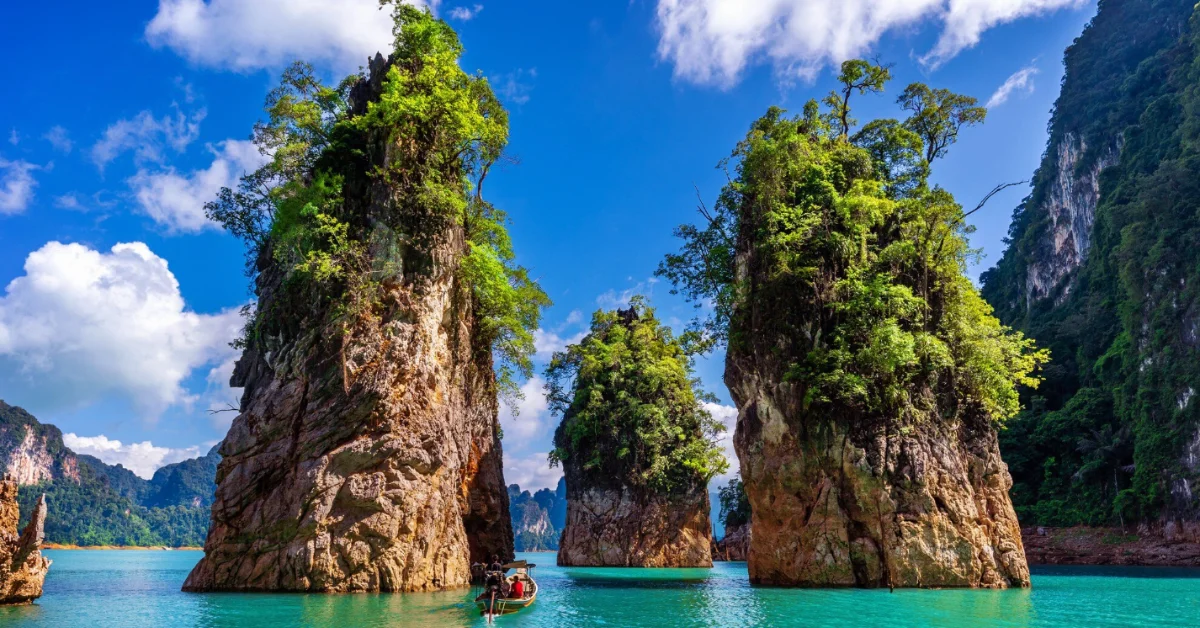
For most luxury travelers, a private day charter from Bang Rong Pier on Phuket's northeast coast offers the best combination of flexibility, itinerary control, and value. It allows route customization around tidal windows, avoids the fixed schedules of group operators, and keeps group size manageable. Travelers who want deeper immersion should consider basing on Koh Yao Noi, which sits inside the bay and removes the transit variable entirely.
Quick Picks
- Best for first-time visitors: Private speedboat day charter from Bang Rong Pier, Phuket
- Best for couples and seclusion: Koh Yao Noi as an overnight base with direct bay access
- Best for kayaking and sea caves: Koh Hong sector or Ao Luk, accessed from the Krabi side
- Best small-group option: Shared speedboat capped at 8 passengers, Ao Po Grand Marina departure
- Best seasonal window: November through February (peak season, full access, calm water)
- Best shoulder window: Late April or early November for reduced crowds with viable conditions
At a Glance: How to Access Phang Nga Bay
| Variable | Group Day Tour | Private Charter | Koh Yao Noi Base |
|---|---|---|---|
| Privacy level | Low | High | Highest |
| Itinerary control | Fixed | Full | Full |
| Cost estimate | 1,200 to 2,500 THB per person | 8,000 to 18,000 THB per boat | Villa plus transfers |
| Best for | Budget, first visit | Couples, families, flexibility | Extended stays, immersion |
| Primary weakness | Crowds, fixed timing | Upfront cost | Requires overnight commitment |
| Departure point | Rassada Pier or group operators | Bang Rong Pier or Ao Po | Bang Rong speedboat to the island |
All cost figures are estimates and subject to change based on operator, season, and vessel type.
Decision Shortcut
Choose a private day charter if you want full route control and are based in Phuket without an overnight commitment to the bay.
Choose Koh Yao Noi as your base if Phang Nga Bay is the primary reason you are visiting the Andaman coast, not a supporting excursion. Otherwise, you will spend most of your time getting to it.
What Makes Phang Nga Bay Different from the Rest of the Andaman Coast
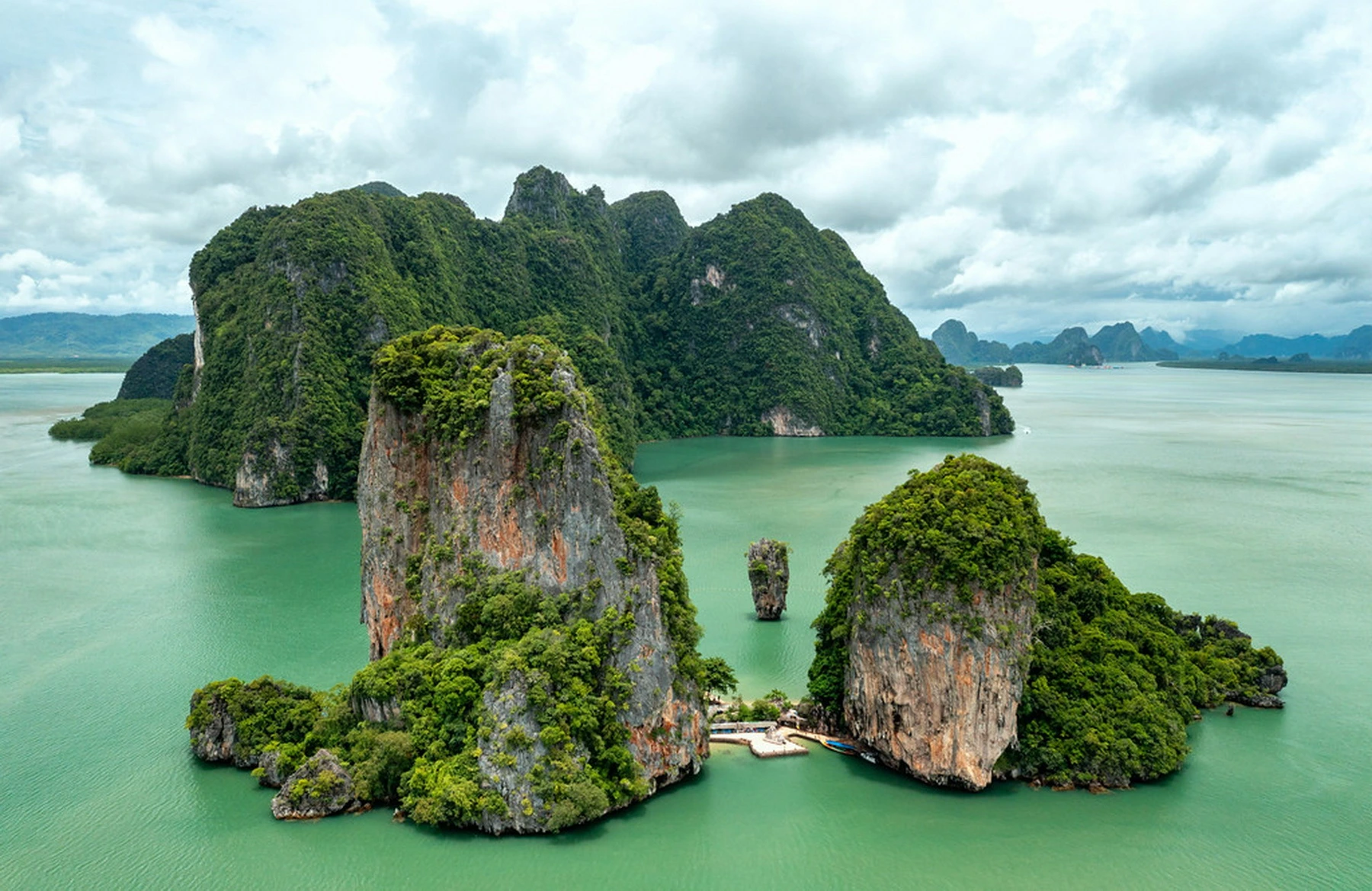
Phang Nga Bay is not an open-water destination. It is a semi-enclosed tidal bay, and that distinction has direct operational consequences for how you plan.
The karst limestone formations that define the bay's landscape were shaped over millions of years by marine erosion. Many contain hollow interiors: caves, hongs (enclosed lagoons accessible only through tidal openings), and mangrove channels that are only navigable at specific water levels. Access to the bay's most compelling features is not simply a matter of showing up. It is a matter of timing your arrival with tidal windows.
The bay lies within Ao Phang Nga National Park, which is designated and managed by Thailand's Department of National Parks, Wildlife and Plant Conservation. That designation limits motorized vessel access in certain zones, caps group sizes for licensed operators, and restricts activity in protected mangrove areas. Understanding those constraints before booking a charter helps avoid itineraries that promise access they cannot legally deliver.
Geographic orientation matters for planning. The western entry points into the bay, including Bang Rong Pier and Ao Po Grand Marina on Phuket's northeast coast, provide the most direct access to the central bay cluster, including Ko Tapu and Koh Panyee. The eastern and southern approaches, accessed from Krabi Town and the Ao Luk district, open the less-visited mangrove and hong sectors. Koh Yao Noi sits roughly in the middle, which is why it functions so well as a base.
For a broader orientation to the Andaman coast before committing to a Phang Nga Bay itinerary, the Southern Thailand Andaman Coast travel guide, covering Phuket, Krabi, and Phang Nga, provides the regional framework.
The Main Zones of Phang Nga Bay and What Each Offers
Ko Tapu, James Bond Island, and the Central Cluster
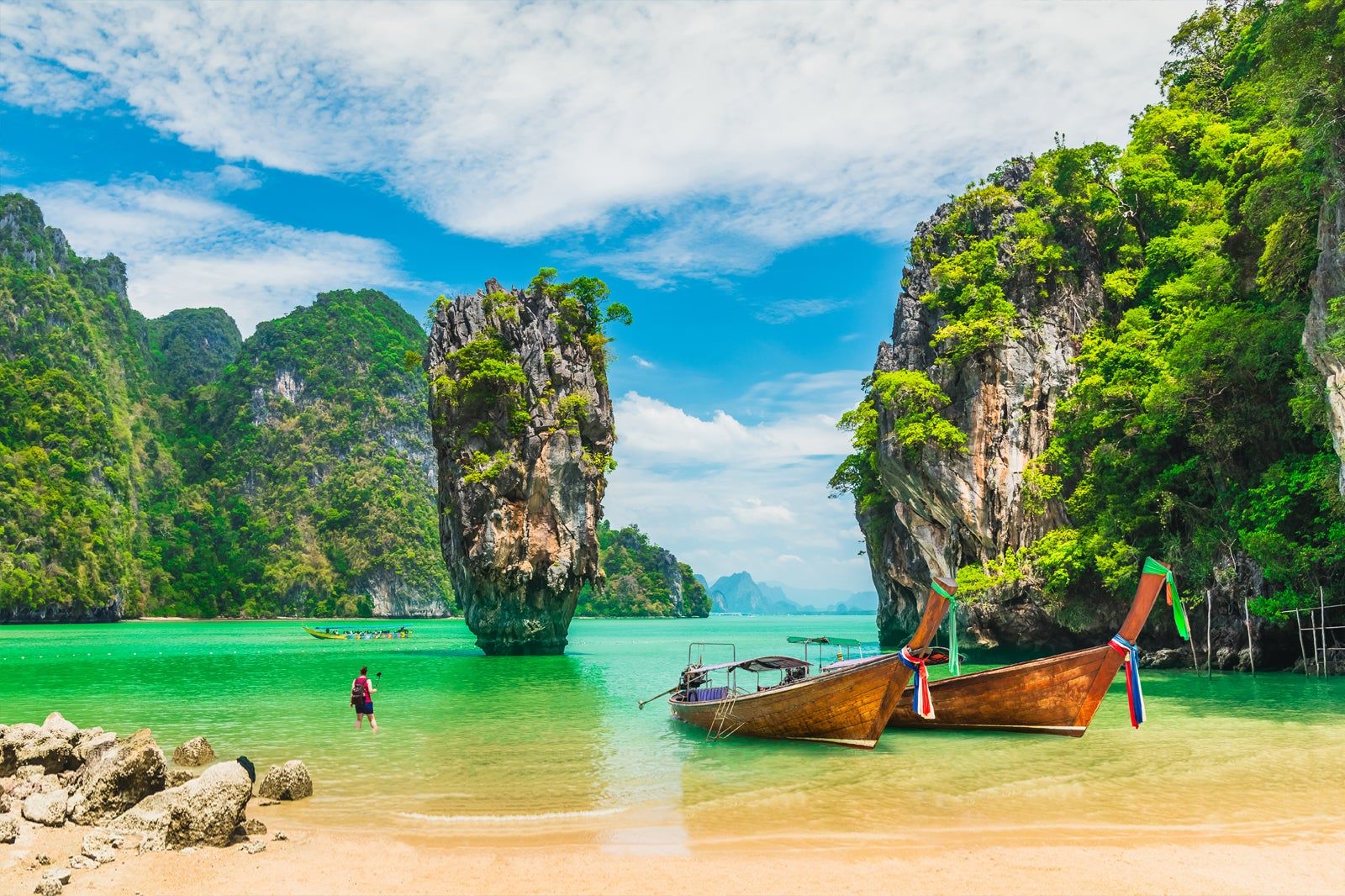
Ko Tapu is the most visited formation in Phang Nga Bay and, during peak hours, the most crowded site on the Andaman coast. Group tour boats typically arrive between 10 am and 1 pm. Arriving by private charter before 8 am or after 3 pm substantially changes the experience: fewer boats, quieter water, and the ability to spend time at the formation rather than waiting for a clear photograph.
Koh Panyee, the floating Muslim fishing village built on stilts in the bay, is a genuine cultural attraction. Its main pier and tourist area operate at high volume during group tour hours. The village itself, away from the souvenir stalls, retains character worth seeing. It works best as a brief stop on a private itinerary, not as a lunch destination shared with four tour boats.
The wider central cluster also includes Ko Khao Tapu, Ko Ping Kan, and several smaller limestone islands that most group tours bypass entirely. A private charter with a knowledgeable operator will route through these between the main stops. This is where the bay begins to resemble what you came to see.
Koh Hong and the Northern Lagoon Sector
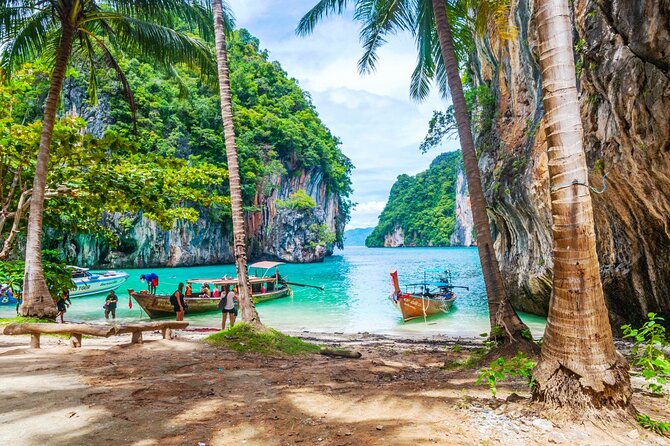
Koh Hong is the most compelling destination in Phang Nga Bay for travelers who prioritize privacy. The island contains a hong: an enclosed tidal lagoon accessible only by sea kayak through a low cave opening. Paddling into that lagoon at the right tidal moment, with no motor noise and no group tour overhead, is the kind of access that Phang Nga Bay can genuinely offer. But only to travelers who planned for it.
Entry is by kayak only. Motorized vessels anchor outside. Tidal access windows typically open in the morning and vary by season. Any private charter operator worth booking will factor this into the route sequence.
The northern lagoon sector is best reached from Bang Rong Pier or Ao Po. It is further from the central Ko Tapu cluster and works best as part of a full-day private itinerary rather than an add-on to a standard group tour.
Koh Yao Noi and Koh Yao Yai
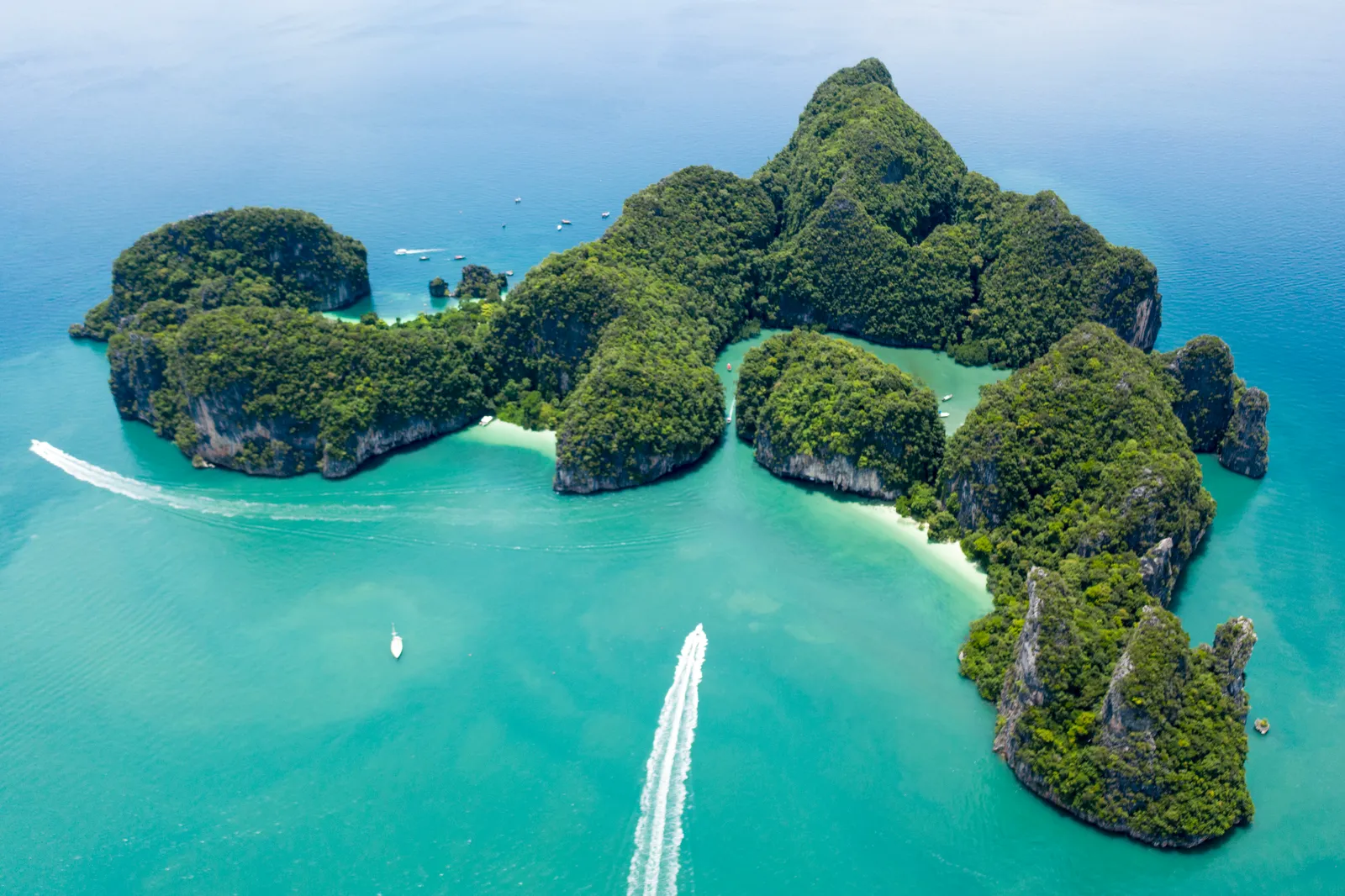
Koh Yao Noi sits at the geographic center of Phang Nga Bay, positioned between Phuket to the west and Krabi to the southeast. For travelers who want to spend more than one day in the bay, it removes every transit variable. You wake up inside the bay, take a longtail directly to your chosen formation, and return when you decide to.
The island operates at a significantly lower level of development than Phuket or Krabi. There are no beach clubs, no organized nightlife, and no resort corridors. The primary luxury anchor is Six Senses Yao Noi on the island's eastern coast, providing bay-facing villas, a private pier, and a resident boat team for daily excursions.
Access from Phuket is via speedboat from Bang Rong Pier: approximately 30 minutes. Longtail service also operates from the same pier but takes closer to an hour.
The full case for Koh Yao Noi as a Phang Nga Bay base is covered in the Koh Yao Noi luxury travel guide.
The Ao Luk Sector (Krabi Side)
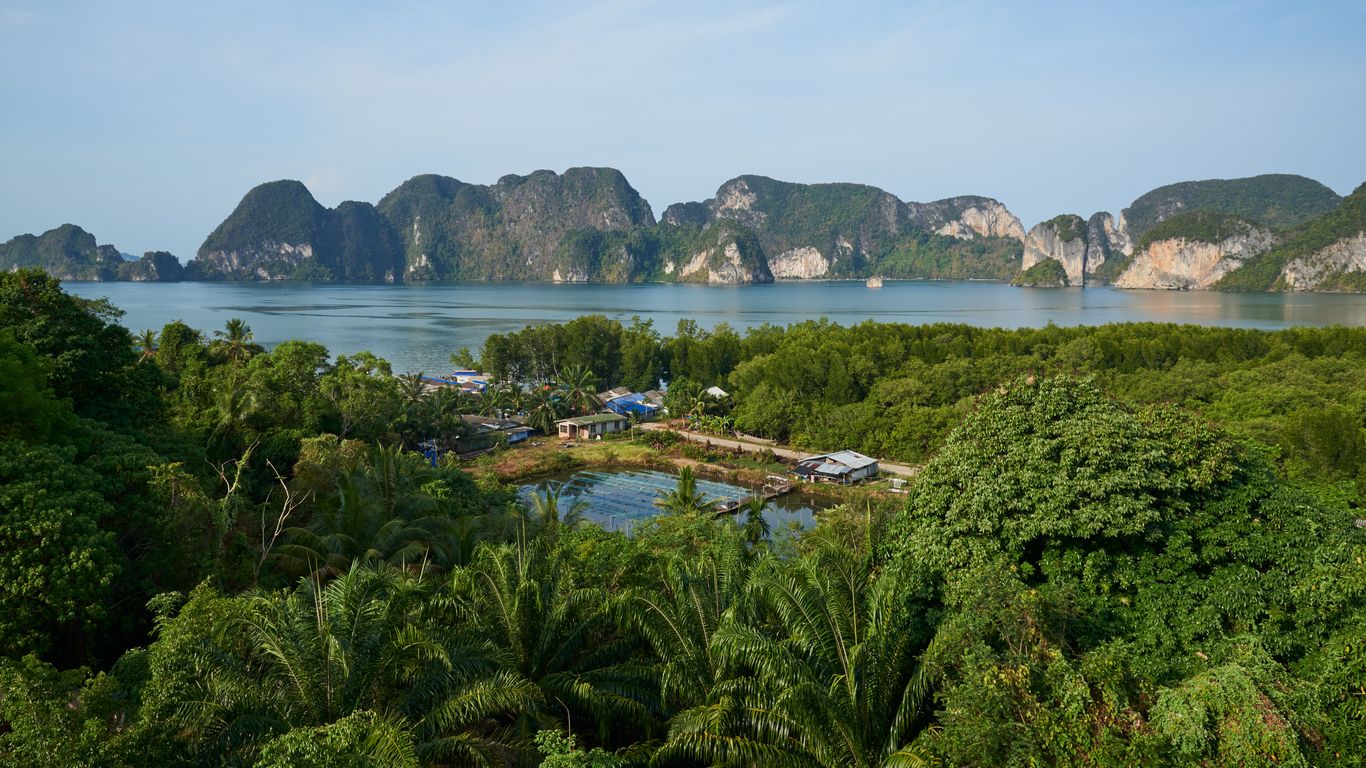
The Ao Luk district on Phang Nga province's eastern boundary, accessible from Krabi Town, is the least-visited sector of the bay and offers the densest concentration of mangrove channels and sea caves in the region. It is not a destination for travelers primarily interested in karst scenery or iconic formations. It is for travelers who want a full-day kayaking trip in protected waters with no other boats in sight.
Operators running Ao Luk routes typically depart from Krabi Town pier. This sector makes the most sense for travelers already based in Krabi who want access to Phang Nga Bay without routing back through Phuket.
If you are still deciding between basing yourself in Phuket or Krabi for an Andaman itinerary, the Phuket vs Krabi vs Koh Samui comparison addresses that decision directly.
Where this fits in your trip: Phuket (Bang Rong Pier) → Phang Nga Bay interior → Koh Yao Noi → Krabi (Ao Nang or Railay)
Private Charter vs Group Tour: The Real Comparison
This is not a value judgment. It is a fit assessment.
A group day tour from Phuket costs approximately 1,200-2,500 THB per person and includes Ko Tapu, Koh Panyee, and occasionally a kayaking stop. The itinerary and departure and return times are fixed, and the experience is shared with anywhere from 20 to 40 other travelers. For a first visit with no strong preference for privacy, it delivers on its promise.
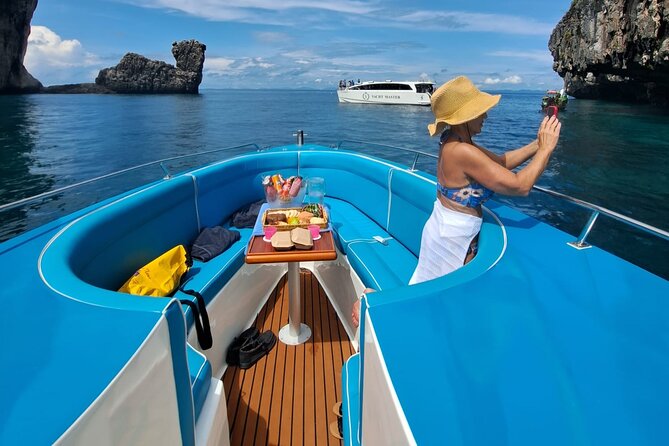
A private speedboat charter costs approximately 8,000-18,000 THB per boat, depending on the vessel type, operator, and season. That figure covers a full day for up to 8 to 10 passengers. Per person at a group of four, the cost difference narrows considerably. What the private charter actually controls is meaningful: departure time, route sequencing, tidal window alignment for Koh Hong, lunch location, pace, and return flexibility.
What a private charter does not control: national park entry permit requirements (approximately 300 THB per person, payable at the park gate), restricted zone access, and weather. These constraints apply regardless of vessel type.
This is where most itineraries diverge. The choice of vessel determines which zones are accessible, when, and in what sequence. The wrong decision here limits everything that follows.
For full vessel options, operator comparisons, and route structures from Phuket, the private boat tours in Phuket planning guide covers the logistics in detail before you confirm any charter booking.
Best Time to Visit Phang Nga Bay
November to February: Primary season. Calm water, full operator availability, predictable conditions. The bay is fully accessible, and charters run daily. This is also peak season: Ko Tapu sees its highest visitor volume in December and January.
March to April: Late season, still viable. Water is calm, conditions are generally good, and crowd pressure at the main sites is beginning to ease slightly. Late April is one of the better shoulder windows of the year.
May: Transitional month. Conditions can still be workable, but the southwest monsoon begins to influence the Andaman coast. Charter availability starts to narrow. Operators with local knowledge will advise whether the window is viable week by week.
June to October: Southwest monsoon season. The Andaman coast receives its heaviest rainfall during this period. Most private charter operators suspend or heavily restrict operations. Ao Phang Nga National Park can close sections of the bay during severe weather events. Traveling specifically for Phang Nga Bay during this window is not advisable without direct confirmation from operators about current conditions.
Early November: The second reliable shoulder window. The monsoon typically clears by late October, operators resume full schedules, and visitor volume has not yet built to December levels.
For current park access status and weather-related closures, the Department of National Parks, Wildlife and Plant Conservation is the only reliable source of real-time information.
How to Get to Phang Nga Bay
From Phuket (primary access): Bang Rong Pier on Phuket's northeast coast is the standard departure point for private charters and most organized tours. Drive time from Patong is approximately 45 to 55 minutes, depending on traffic. From Surin or Kamala, plan for closer to an hour. This is the most common planning error for travelers on Phuket's west coast: the pier is farther than it appears on a map, and the road through Thalang can be slow in the morning.
Ao Po Grand Marina, located approximately 10 minutes north of Bang Rong, is used for yacht and larger vessel departures. It offers better facilities and parking, and is the preferred departure point for multi-day charters.
From Krabi: Krabi Town pier serves operators running to the Ao Luk sector and some central bay destinations. Travel time to the bay interior is longer from Krabi than from Phuket, making it better suited to the southeastern bay zones than to the Ko Tapu cluster.
From Koh Yao Noi: Speedboat and longtail services connect Koh Yao Noi directly with the bay interior. This is the most efficient access point for travelers who have already been based on the island.
If you are moving between Phuket and Krabi as part of a broader Andaman itinerary, the Phuket to Krabi private transfer guide covers all route options, including the speedboat transfer that passes through the bay itself.
Suggested Phang Nga Bay Itinerary
| Days | Base | Key Experiences |
|---|---|---|
| Day 1 | Phuket, west coast | Arrive and settle. Arrange a charter through a villa concierge or directly with a Bang Rong operator. Confirm tidal timing for Day 2. |
| Day 2 | Phang Nga Bay (full-day charter) | Pre-8 am departure from Bang Rong. Ko Tapu before group tours arrive. Koh Hong lagoon at tidal access window. Koh Panyee brief stop. Return by 4 pm. |
| Day 3 | Transfer to Koh Yao Noi | Morning speedboat from Bang Rong Pier (30 minutes). Check into Six Senses or equivalent. Afternoon at leisure on the island's eastern coast. |
| Days 4 to 5 | Koh Yao Noi | Direct bay access by longtail from the island pier. Kayaking within mangrove channels. Sunset from the island's eastern viewpoints facing the bay interior. |
| Day 6 | Transfer to Krabi | Morning speedboat to Krabi Town (approximately 45 to 60 minutes). Onward to Railay Beach or Koh Lanta, depending on the itinerary. |
Booking note: Confirm the charter operator before arriving in Phuket. Peak season availability for private vessels at Bang Rong narrows significantly after early November. Villa concierges at Koh Yao Noi properties can arrange island-side excursions directly, which is often more reliable than booking independently from Phuket.
For a broader context on which Phuket base works best before a Phang Nga Bay excursion, the best Phuket beaches guide helps establish proximity and access by beach location.
Who This Is Not For
Travelers expecting beach time. Phang Nga Bay is tidal water, karst rock, and mangrove. The bay does not offer the white-sand beach experience available on Phuket's west coast or at Railay. Plan Phang Nga Bay as a separate day from the beach days, not as a replacement.
Travelers with rigid single-day schedules. Tidal windows, weather, and national park conditions create genuine variability in what is accessible on any given day. A tight timeline built around a hotel checkout or an onward flight increases the probability of a compromised experience.
Travelers who equate James Bond Island with Phang Nga Bay. Ko Tapu is one of the limestone formations in a bay that covers 400 square kilometers. Seeing only Ko Tapu is the geographic equivalent of visiting one room in a national park and leaving. The bay has substantially more to offer, and none of it requires additional cost. It requires a better itinerary.
Travelers planning a monsoon-season visit should obtain direct confirmation from the operator. June through October is a serious weather window on the Andaman coast. Planning a Phang Nga Bay trip around Ko Tapu or Koh Hong during this period without the current operator's input carries significant risk.
Frequently Asked Questions
What is the best way to visit Phang Nga Bay?
A private day charter from Bang Rong Pier on Phuket's northeast coast is the best option for most travelers. It provides full route control, departure-time flexibility, and the ability to reach Koh Hong's tidal lagoon at the right time. Travelers staying longer on the Andaman coast should consider Koh Yao Noi as a base, which puts you in the bay and eliminates the daily transit requirement entirely.
Is Phang Nga Bay worth visiting beyond James Bond Island?
Yes, and for most travelers, this is the more important question. Ko Tapu is the bay's most photographed feature, but not its most compelling one. Koh Hong's enclosed lagoon, the mangrove channels of the Ao Luk sector, and the tidal cave systems accessible only by kayak represent a level of access that group tours do not provide. Phang Nga Bay is worth a full-day minimum, and ideally an overnight stay on Koh Yao Noi.
How long does a Phang Nga Bay day trip take from Phuket?
A full-day private charter from Bang Rong Pier typically lasts 7 to 9 hours, including transit time. The drive from Patong to Bang Rong adds approximately 50 minutes each way. Budget a full day: departure by 7:30 to 8 am and return to your Phuket property by 5 to 6 pm. Half-day charters exist but limit the number of zones accessible and are better suited to travelers with specific constraints than to those seeking a complete experience.
What is the difference between a longtail boat and a speedboat for Phang Nga Bay?
Speedboats cover distance faster and are better suited for full-day charters covering multiple zones of the bay. Longtail boats are slower, more exposed, and better suited for shorter routes or island transfers within the bay, particularly from Koh Yao Noi to nearby formations. For a full Phang Nga Bay day charter from Phuket, a speedboat is the standard and more practical choice. For kayaking sectors, the vessel type is secondary, as kayaks are the access point once the anchor is dropped.
When is the best time to visit Phang Nga Bay?
November through February offers the most reliable conditions: calm water, full operator availability, and complete access to the national park. Late April and early November are the two best shoulder seasons, offering reduced visitor volume and generally favorable conditions. June through October is the southwest monsoon period, and charter availability is limited. Visiting Phang Nga Bay specifically during this window requires direct confirmation from operators about current access.
Can you stay overnight in Phang Nga Bay?
Yes. Koh Yao Noi is the primary overnight base within the bay. Six Senses Yao Noi is the leading luxury property, with pool villas facing the bay and a private pier for daily excursions. Other mid-range guesthouses operate on both Koh Yao Noi and Koh Yao Yai. There are no large resort corridors or beach clubs on either island, which is precisely what makes them well-suited as a base for travelers who prioritize bay access over amenities.
Is Phang Nga Bay suitable for families with children?
Yes, with planning. A private speedboat charter from Bang Rong is manageable for families with children aged five and above in calm conditions. The kayaking sections at Koh Hong require a minimum level of physical ability and comfort in confined spaces, which may not suit very young children. The central bay cluster, including Ko Tapu and Koh Panyee, is accessible on standard group tours and is suitable for most ages. November through February offers the calmest water and the most predictable conditions for family travel.
Plan Your Phang Nga Bay Visit with Southeast Asia Simplified
If you are serious about building a Phang Nga Bay itinerary with real access rather than a checkbox tour, secure the charter first. Then the island base. Then the transfers. Everything else fits around those decisions. If you wait until you arrive in Phuket to arrange this, you do not get a slower version of the same experience. You get what is left.
For tailored Phang Nga Bay itinerary planning, private charter coordination, and access to Koh Yao Noi, plan your trip with Southeast Asia Simplified.
Conclusion
Phang Nga Bay is not a day trip problem. It is an access problem.
Phang Nga Bay does not require more time or more money. It requires better decisions about timing, route control, and where you base yourself. Travelers who treat it as a fixed-group excursion will see Ko Tapu and then leave. Travelers who plan around tidal windows, private access, and an island base will see something considerably different.
The right choice depends on one decision: whether you want to visit Phang Nga Bay or actually experience it.
Phang Nga Bay does not reward convenience. It rewards structure.