
Thailand has more than 1,400 islands. Most travelers will visit one, possibly two. The decision matters more than most planning resources suggest because the islands differ sharply in crowd level, access difficulty, seasonal reliability, and the kind of experience they actually deliver.
This guide compares the islands that most travelers are genuinely choosing between. If you are deciding between Phuket, Koh Samui, Koh Lanta, Koh Tao, Koh Lipe, or Koh Yao Noi, the answer depends on four factors: what you want to do, how much friction you will tolerate getting there, when you are traveling, and how much company you are comfortable with.
The Short Answer
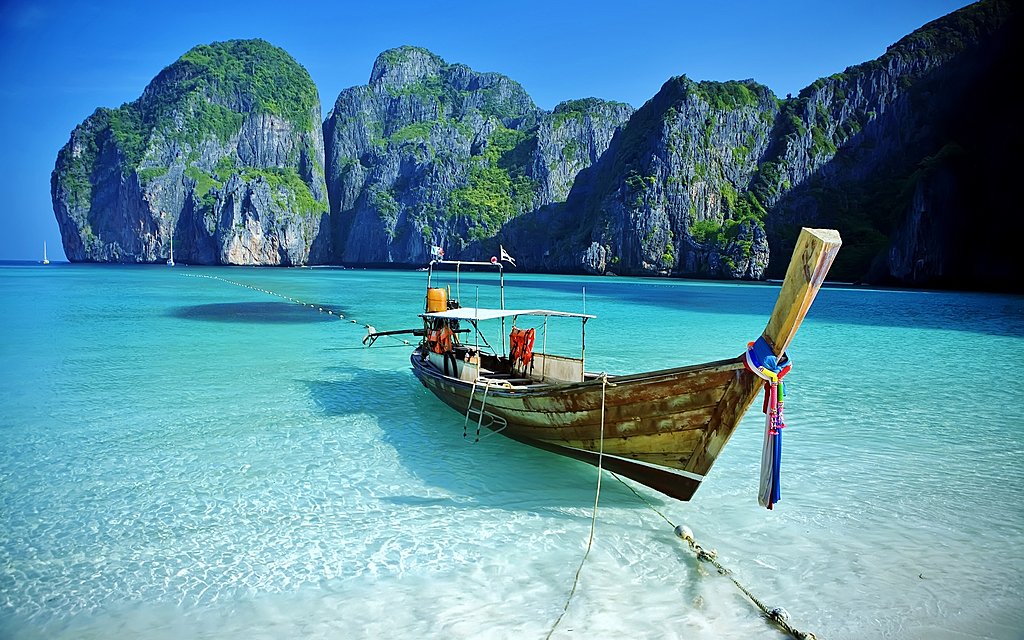
No single island is the best. But most travelers fit clearly into one of two groups.
Gulf of Thailand coast (Koh Samui, Koh Tao, Koh Phangan): More reliable weather from November through April, easier inter-island movement, better nightlife, and resort infrastructure.
Andaman coast (Phuket, Koh Lanta, Koh Lipe, Koh Yao Noi): Better water clarity and scenery, a strong dry season from November to April, and a more severe wet season. Phuket anchors this side logistically.
If you are traveling between May and October, the Gulf Islands offer more operational options. If you are traveling between November and April and want scenic views or quiet, the Andaman side offers more.
Island Comparison: Vibe, Crowd Level, and Traveler Fit
| Island | Vibe | Crowd Level | Best For | Budget Range (per night) | Access |
|---|---|---|---|---|---|
| Phuket | Resort and commercial | High year-round | First-timers, families, nightlife | $40 to $500+ | Direct flights |
| Koh Samui | Polished resort | Medium to high | Couples, mid-range comfort | $50 to $400 | Direct flights |
| Koh Tao | Dive-focused, social | Medium | Divers, younger travelers | $20 to $120 | Ferry from Samui or Chumphon |
| Koh Lanta | Low-key, residential | Low to medium | Slow travelers, families | $30 to $250 | Ferry via Krabi |
| Koh Lipe | Remote, scenic | Low to medium | Snorkelers, couples, detox | $40 to $300 | Seasonal ferry, no airport |
| Koh Yao Noi | Near-silent, local | Very low | Privacy seekers, nature | $80 to $400 | Longtail from Phuket pier |
| Koh Phangan | Party and wellness mix | High during Full Moon | Nightlife, yoga retreats | $25 to $200 | Ferry from Koh Samui |
Phuket: Infrastructure First, Scenery Second
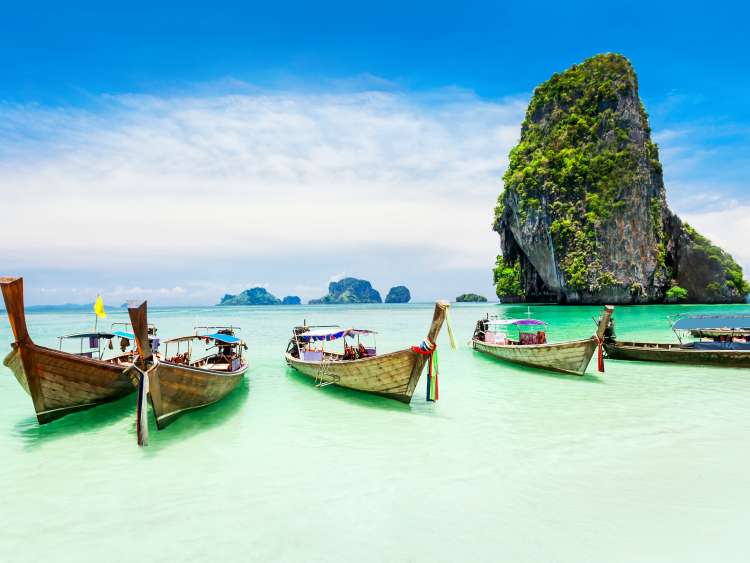
Phuket is the most accessible island in Thailand. It has an international airport with direct connections from across Asia, Europe, and Australia. That accessibility is also its most significant limitation. Patong Beach, the island's most famous stretch, operates at tourist saturation for most of the year.
The west coast beaches, including Kata, Surin, and the quieter northern bays, offer noticeably better experiences than Patong. Private villa rentals in the hillside areas above Kamala and Bang Tao reduce beach access but eliminate most of the crowd friction.
Phuket works best as a logistical anchor. Many travelers fly in and use it as a base to reach Koh Yao Noi, the Phi Phi Islands, or Phang Nga Bay, rather than spending their entire stay there. If a Krabi side trip is part of your plan, review the exact transfer options and timing before booking, as road transfer windows and ferry schedules vary significantly by season.
Operational note: High season runs from November to April. Shoulder months of May and October offer lower prices and manageable crowds, but the weather is less reliable. The peak Christmas and New Year window, roughly December 22 to January 5, sees prices increase by 40 to 80 percent across most accommodation categories.
Who this is not for: Travelers seeking quiet, authentic village life, or undiscovered scenery. Phuket is commercial. That is not a criticism. It is an accurate description.
Koh Samui: Comfort Without the Chaos (Mostly)
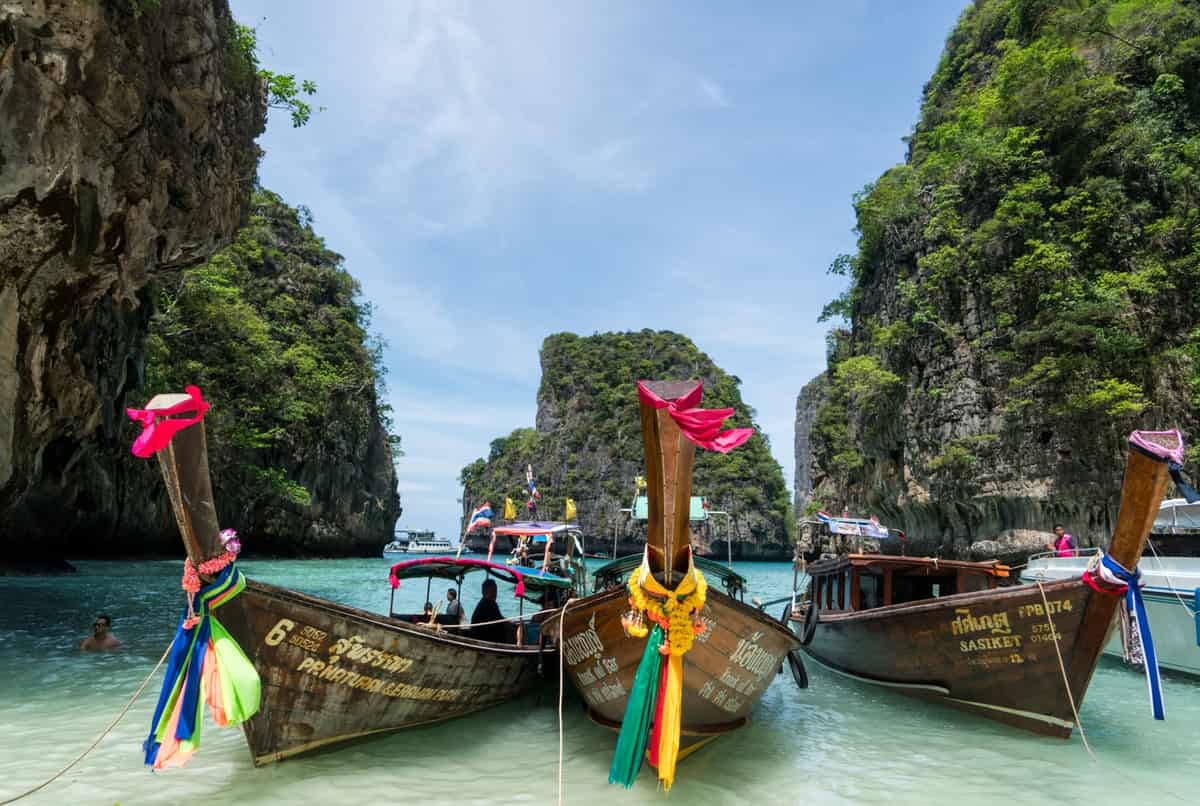
Koh Samui sits in the Gulf of Thailand and has its own airport, making it one of the few Thai islands with direct flight access. The north and east coasts, including Chaweng and Lamai, are developed and can feel as dense as Phuket. The west and south coasts offer a noticeably different experience.
The island's year-round accessibility is its main advantage over the Andaman options. Gulf weather patterns mean Koh Samui receives rain during the Andaman dry season but stays drier from January through September.
Best areas by traveler type:
- Chaweng: central, walkable, high density
- Lamai: slightly quieter, better for couples
- Northwest coast (Bang Por, Bangrak): best privacy, slower pace
Luxury resort infrastructure here is genuinely strong. Several properties on the northwest coast and in the hills above Chaweng offer pool villas with real separation from other guests. Prices are typically lower than equivalent Phuket properties with the same specifications.
Compared to Koh Lanta or Koh Lipe, Koh Samui feels built. Every road has a resort, a tour operator, or a convenience store nearby. That density suits travelers who want convenience. It frustrates those who want space. For a direct comparison of adjacent Gulf islands, see this Phuket vs Krabi vs Koh Samui breakdown.
Koh Lanta: The Quiet Option That Requires Commitment
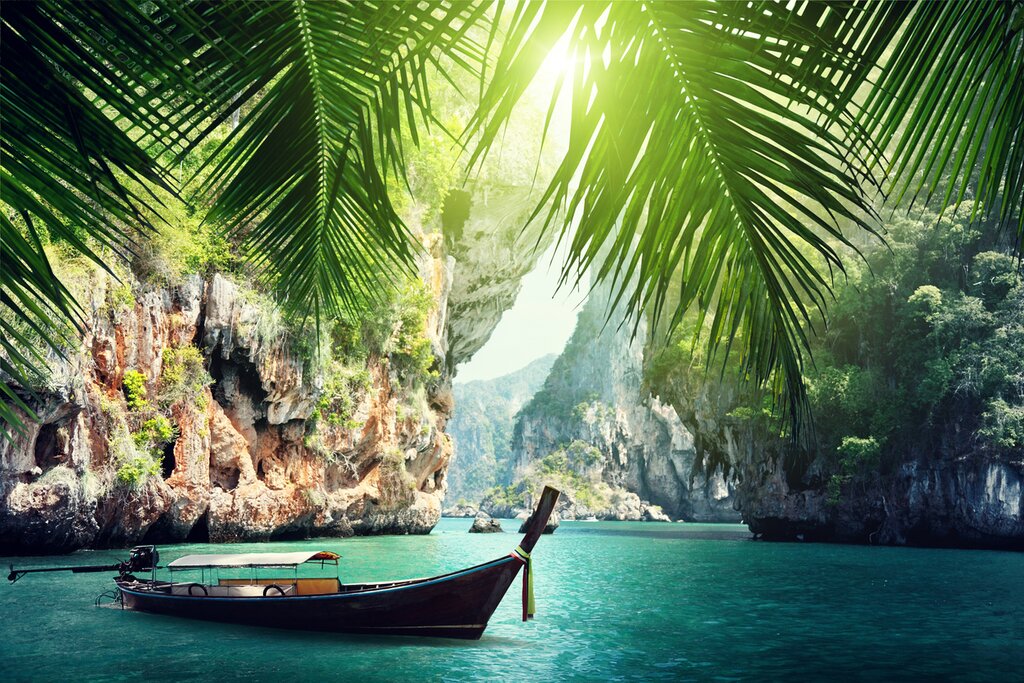
Koh Lanta sits south of Krabi and requires a ferry journey that most travelers underestimate. From Krabi Town, the trip takes approximately 1.5 to 2 hours, depending on the service. From Phuket, add another hour or arrange a private transfer. There is no airport.
That access friction is precisely what keeps Koh Lanta quieter than the islands above. The west coast beaches, particularly Long Beach and Kantiang Bay in the south, are among the least crowded developed beaches on the Andaman coast. The island has a functioning old town with Malay-Thai heritage architecture that has no equivalent on Phuket or Samui.
Prices are meaningfully lower. A quality beachfront villa that would cost $300 per night in Phuket typically costs $100 to $160 on Koh Lanta for comparable facilities.
The trade-off is operational. Koh Lanta's dry season runs from November to April. Between May and October, many properties close. Transfers require planning. Medical facilities are limited compared to Phuket or Samui.
Contrarian note: Koh Lanta is often described as undiscovered. That description is outdated. The island has established infrastructure, a predictable tourism economy, and a resident expat community. It is not remote. It is simply less crowded than the islands above it.
Koh Tao: Diving First, Everything Else Secondary
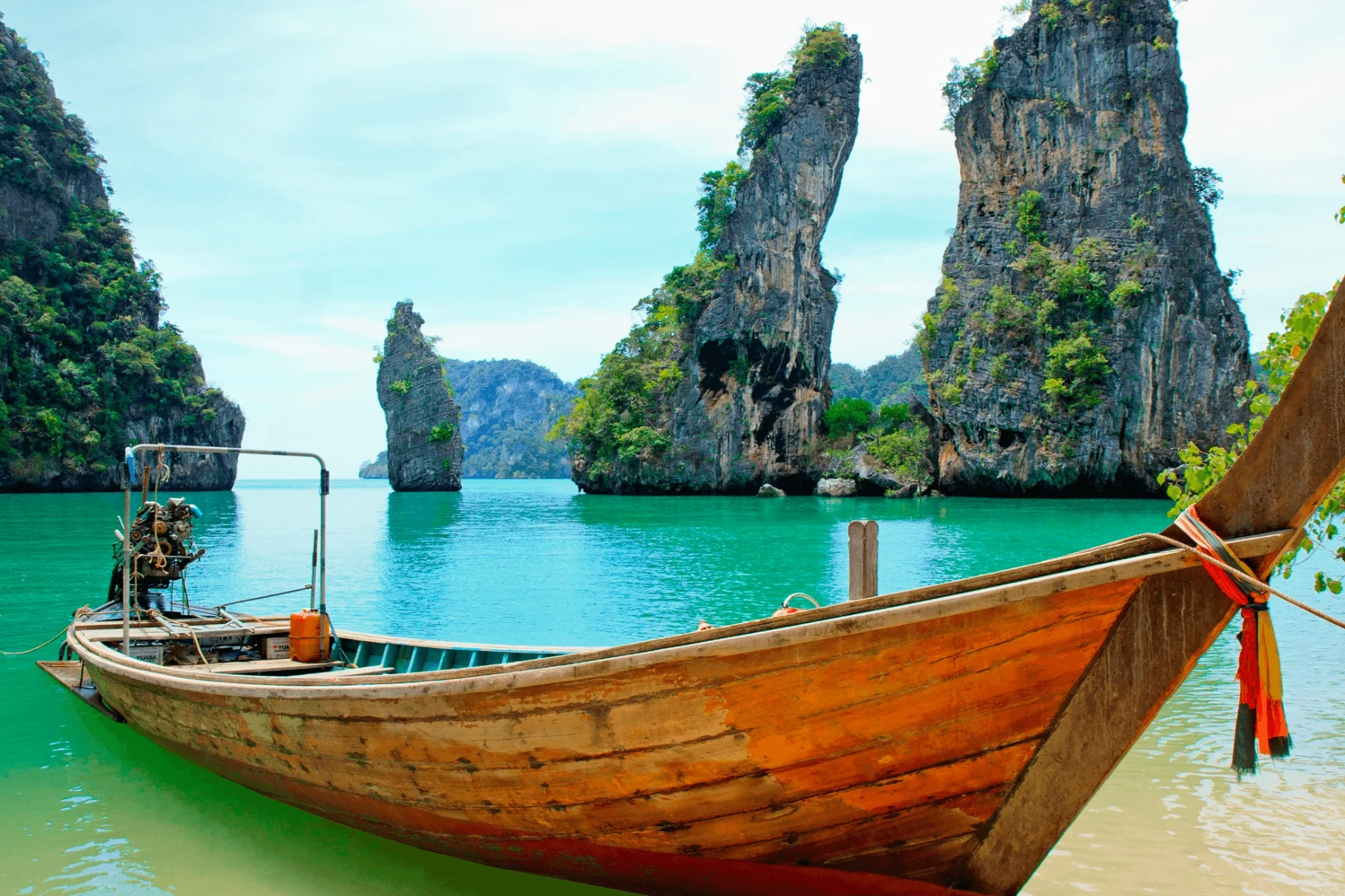
Koh Tao has one of the highest concentrations of PADI dive schools in the world relative to its size (21 square kilometers). The open-water certification cost here, typically 9,000 to 11,000 Thai Baht (approximately $250 to $300), is among the lowest globally for instruction of equivalent quality.
The island is not well-suited for travelers who are not interested in diving or snorkeling. Accommodation, food, and beach quality are all secondary to the dive economy. Nightlife is active but concentrated in a small area around Sairee Beach.
Access requires a ferry from either Chumphon on the mainland (approximately 1 hour by high-speed catamaran) or from Koh Samui (approximately 1.5 to 2 hours). There is no airport, and the ferry schedule is weather-dependent during the wet season.
Koh Lipe: High Scenery, Significant Access Friction
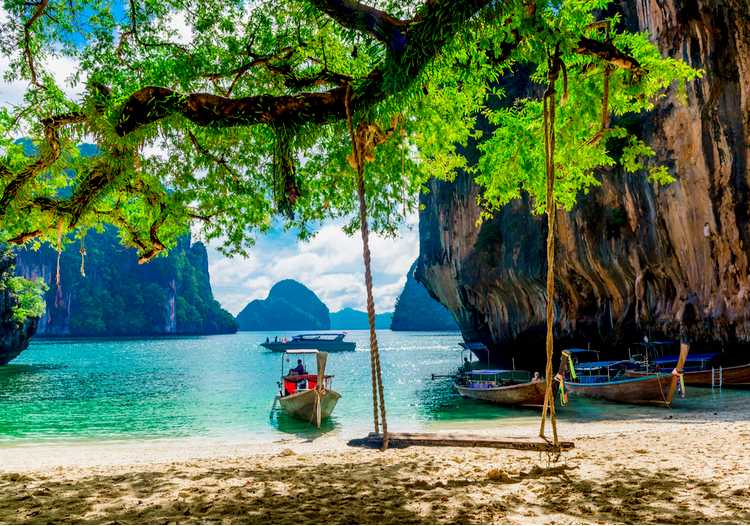
Koh Lipe sits in the Tarutao Marine National Park near the Malaysian border. Water clarity consistently ranks among the best in Thailand, with visibility reaching 20 to 25 meters at dive sites near Ko Adang. The island itself covers approximately 4.5 square kilometers and has three main beaches.
Getting there is not straightforward. Options include a ferry from Pakbara Pier (approximately 1.5 to 2 hours), a high-speed catamaran from Langkawi in Malaysia (approximately 1.5 hours during the operating season), or a staged transfer via Koh Lanta. Flights do not serve the island. The ferry season runs typically from late October to mid-May, with limited or no service during the wet months.
That combination of remote location, a strong marine environment, and ferry-only access creates an experience that feels more removed than that of most Thai islands at a comparable price point. The island has developed steadily over the past decade. Walking Street, the pedestrian beach path, is now lined with restaurants, bars, and tour operators. Quiet is relative.
Who this is not for: Travelers who need reliable transit options, medical access, or stable connectivity. Koh Lipe is genuinely isolated by infrastructure, not by distance alone.
Koh Yao Noi: The Closest Thing to Undisturbed
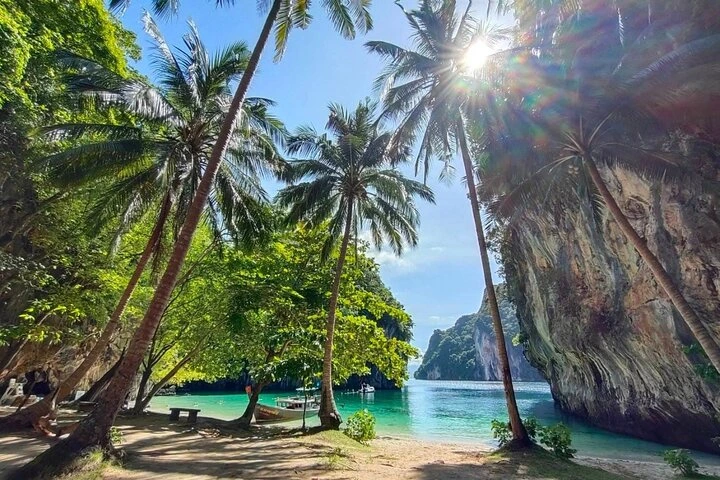
Koh Yao Noi sits in Phang Nga Bay, equidistant between Phuket and Krabi. A longtail or speed boat from Bang Rong Pier on Phuket takes 25 to 45 minutes, depending on the vessel. Despite its proximity to Phuket International Airport, the island receives a fraction of the visitors.
There are no beach clubs. No nightlife strip. No major hotel chains. The island's Muslim fishing community has maintained a quieter pace of life than almost any island of comparable accessibility in Thailand. Rice paddies run alongside mangroves within walking distance of the handful of boutique resorts.
This is the only island on this list where the surrounding Phang Nga Bay scenery, including the karst formations visible from the east coast at dusk, is the primary draw rather than the beach itself.
Accommodation options are limited but include two or three properties that qualify as genuine boutique luxury by any regional standard. Prices reflect the scarcity: expect $180 to $450 per night for quality. Budget accommodation is minimal.
Access note: The ferry from Bang Rong operates on a schedule, with the last departure typically around 5:30 PM. Planning around this constraint matters, particularly if arriving on a late flight into Phuket.
Seasonal Considerations: When You Travel Shapes Where You Should Go
Thailand's two coastlines have opposite weather patterns for part of the year.
| Month | Andaman Coast | Gulf Coast |
|---|---|---|
| November to April | Dry season, optimal | Dry on most islands |
| May to June | Transitional, wetter | Generally dry |
| July to September | Wet season | Good conditions |
| October | Wet, some closures | Rough on some islands |
Travelers visiting in July or August have stronger options on the Gulf side. Koh Tao and Koh Samui typically remain accessible. Koh Lipe and Koh Lanta may see limited ferry services and partial resort closures. The Southern Thailand Gulf Coast guide covers month-by-month conditions across Koh Samui, Koh Phangan, and Koh Tao in detail.
Island Combinations That Work Logistically
Not every island pairing works without significant backtracking. Some combinations flow naturally. Others require transiting through the mainland or booking domestic flights.
Andaman loop (10 to 14 days): Phuket (2 to 3 nights) to Koh Yao Noi (2 nights) to Koh Lanta (3 nights) to Koh Lipe (3 nights). This follows a logical southward progression and avoids backtracking. The Andaman Coast regional guide covers routing and transfer timing in full.
Gulf loop (7 to 10 days): Koh Samui (3 nights) to Koh Tao (2 nights) to Koh Phangan (2 nights). Ferry connections between these three are frequent and take under 2 hours each.
Cross-coast: Combining the Andaman and Gulf islands in a single trip typically requires either transiting through Bangkok or taking a domestic flight. It is manageable, not seamless. The Phi Phi Islands, accessible from both Phuket and Krabi, can serve as a natural midpoint on Andaman itineraries.
Confirm transfer routes and timing before finalizing any multi-island plan. Ferry schedules are weather-dependent and change between high and low seasons.
FAQ: Thailand Islands
Which Thailand island is best for first-time visitors? Phuket or Koh Samui. Both have direct international flight access, established resort infrastructure, and enough variety to accommodate different preferences within a single stay. Phuket offers more options overall. Koh Samui is slightly more contained and easier to navigate independently.
Which Thai island is the quietest? Koh Yao Noi is the quietest island with reliable infrastructure and relatively easy access. Koh Lipe is quieter in absolute terms but harder to reach. For truly remote options, the outer Trang Islands require multi-day planning and are only viable in the dry season.
What does a Thailand island trip cost per day? Budget range: 1,500 to 2,500 Thai Baht per day (approximately $40 to $70), covering guesthouse accommodation, local food, and ferries. Mid-range: 4,000 to 8,000 Baht per day ($110 to $220). Luxury: 15,000 Baht and above ($415+), with significant variation by island and property type.
Which island is best for snorkeling and diving? Koh Tao offers the best value for diving instruction and accessible dive sites in the Gulf. Koh Lipe and the Similan Islands (accessible on day trips from Khao Lak) offer the clearest waters on the Andaman coast. Snorkeling directly from the beach is most consistent at Koh Lipe, Koh Tao, and the Phi Phi Islands.
Can you visit multiple islands in one trip? Yes, with planning. Allow at least 3 nights per island to make transfers worthwhile. Aim for islands within the same coast to minimize transit time. Budget an extra half-day buffer for weather delays on ferry routes.
Is it worth visiting Thailand's islands outside of peak season? On the Gulf side, yes, with caveats. July and August on Koh Samui and Koh Tao typically offer good conditions and lower prices. On the Andaman side, May to October brings heavier rain and reduced ferry reliability, particularly for Koh Lipe and Koh Lanta. Short breaks between storms still allow beach time, but multi-day continuity is harder to guarantee.
Conclusion
The decision between Thailand's islands is not about which is best. It is about which fits the trip you are actually planning.
Phuket and Koh Samui suit travelers who want seamless access and established infrastructure. Koh Lanta and Koh Yao Noi suit those willing to add a transfer in exchange for noticeably fewer people. Koh Lipe rewards the effort of getting there with water quality that few Thai beaches match. Koh Tao has one clear purpose and delivers it at exceptional value.
What shifts the answer most is timing. Travel outside the dry season on the Andaman coast, and your options narrow considerably. Travel during the peak period on any popular island, and the crowd becomes part of the experience whether you want it or not.
Choose the island that matches how you travel, not the one that ranks highest in aggregate reviews.