
Thailand has no shortage of destinations, but choosing the best places to visit depends on more than just what looks good in photos. The real planning question is which places deliver to the standard you want, within the timeframe you plan to travel, without requiring logistics that undermine the experience itself.
The 15 destinations below are assessed based on what they actually offer, not on general reputation. Each entry includes who it works best for, the friction points, and where most travelers misjudge them.
The short answer: The best places to visit in Thailand depend on travel style. For first-time visitors, Bangkok, Chiang Mai, and either Phuket or Koh Samui cover the widest range with the least logistical friction. For travelers who prioritize quiet, Koh Yao Noi, Koh Lanta, and Khao Sok provide stronger privacy and lower crowd density, at the cost of fewer amenities and more complex access. The 15 entries below give you the trade-offs for each.
Quick Picks: Where to Go in Thailand by Travel Style
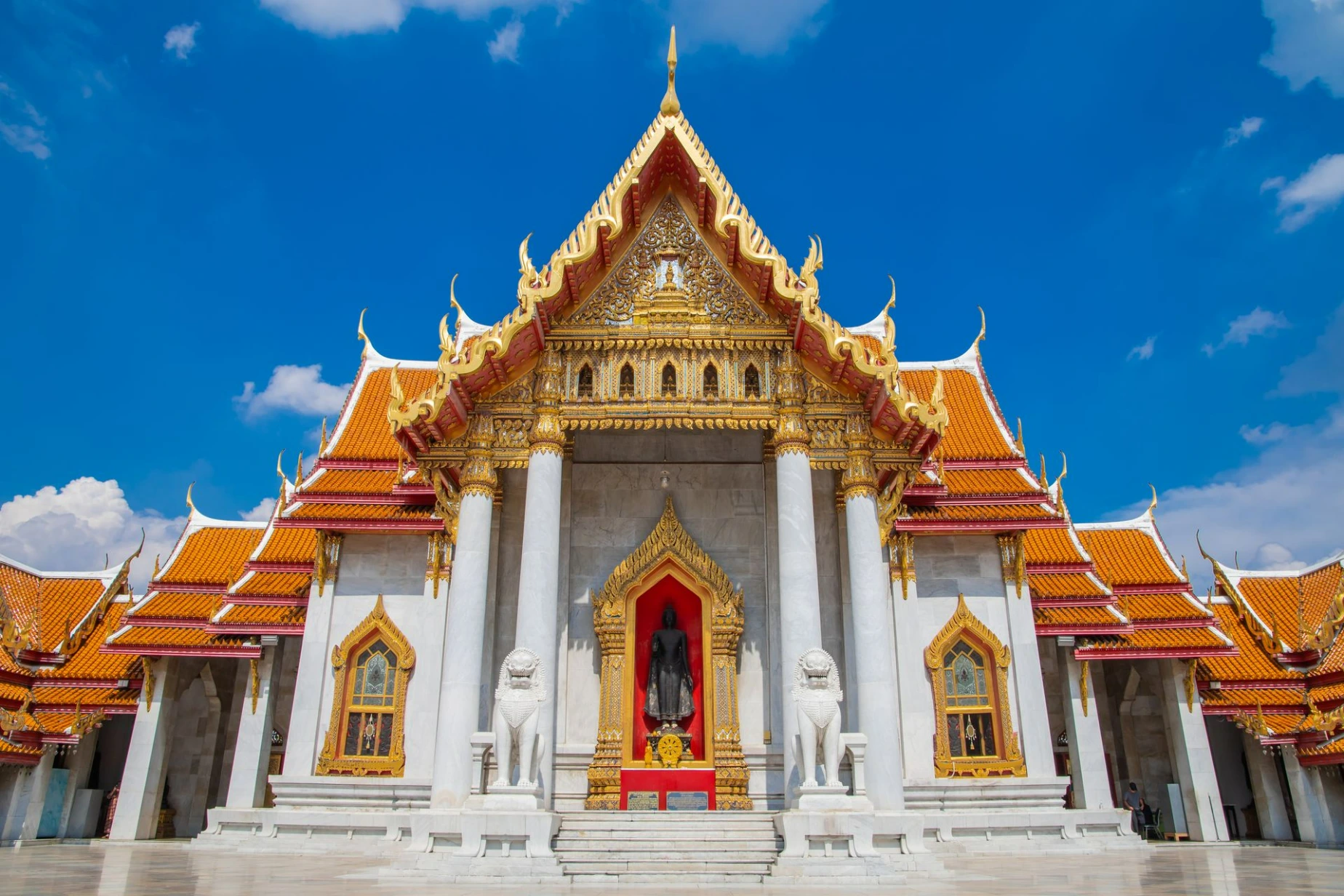
For cultural depth without crowds: Chiang Mai (October to February), Ayutthaya (day trip from Bangkok)
For beach isolation: Koh Yao Noi, Koh Lanta (May to October shoulder season), Railay Beach (October to April)
For convenience and variety: Bangkok, Phuket
For nature and slow travel: Khao Sok, Pai, Kanchanaburi
For luxury resort positioning: Phuket (west coast), Koh Samui (north shore), Hua Hin
Top Thailand Destinations at a Glance (Comparison Guide)
| Destination | Best Season | Crowd Level | Access Difficulty | Best For |
|---|---|---|---|---|
| Bangkok | Nov to Feb | High | Easy | First visits, transit, food |
| Chiang Mai | Nov to Feb | Medium | Easy | Culture, trekking, slow travel |
| Phuket | Nov to Apr | High | Easy | Resorts, diving, nightlife |
| Krabi / Railay | Nov to Apr | High (Railay: Med) | Easy (Railay: boat only) | Scenery, climbing, beach |
| Koh Samui | Dec to Apr | Medium | Medium | Families, luxury resorts |
| Koh Lanta | Nov to Apr | Low to Med | Easy | Quiet beaches, divers |
| Koh Yao Noi | Nov to Apr | Low | Ferry | Privacy, Phang Nga access |
| Pai | Nov to Feb | Medium | Mountain road | Slow travel, landscape |
| Ayutthaya | Nov to Mar | Low to Med | Easy (day trip) | Temples, history |
| Chiang Rai | Oct to Mar | Low | Easy | Border art, Golden Triangle |
| Khao Sok | Year-round | Low | Medium | Jungle, lake, wildlife |
| Hua Hin | Oct to Apr | Low to Med | Easy | Weekend getaways, calm water |
| Kanchanaburi | Nov to Feb | Low | Easy | History, river, waterfalls |
| Koh Chang | Nov to May | Low to Med | Ferry | Budget/mid-range beach |
| Sukhothai | Nov to Feb | Low | Medium | Temples, cycling, heritage |
These top Thailand destinations cover the full range of travel styles, from high-access urban hubs to low-density island positioning.
The 15 Best Places to Visit in Thailand
1. Bangkok
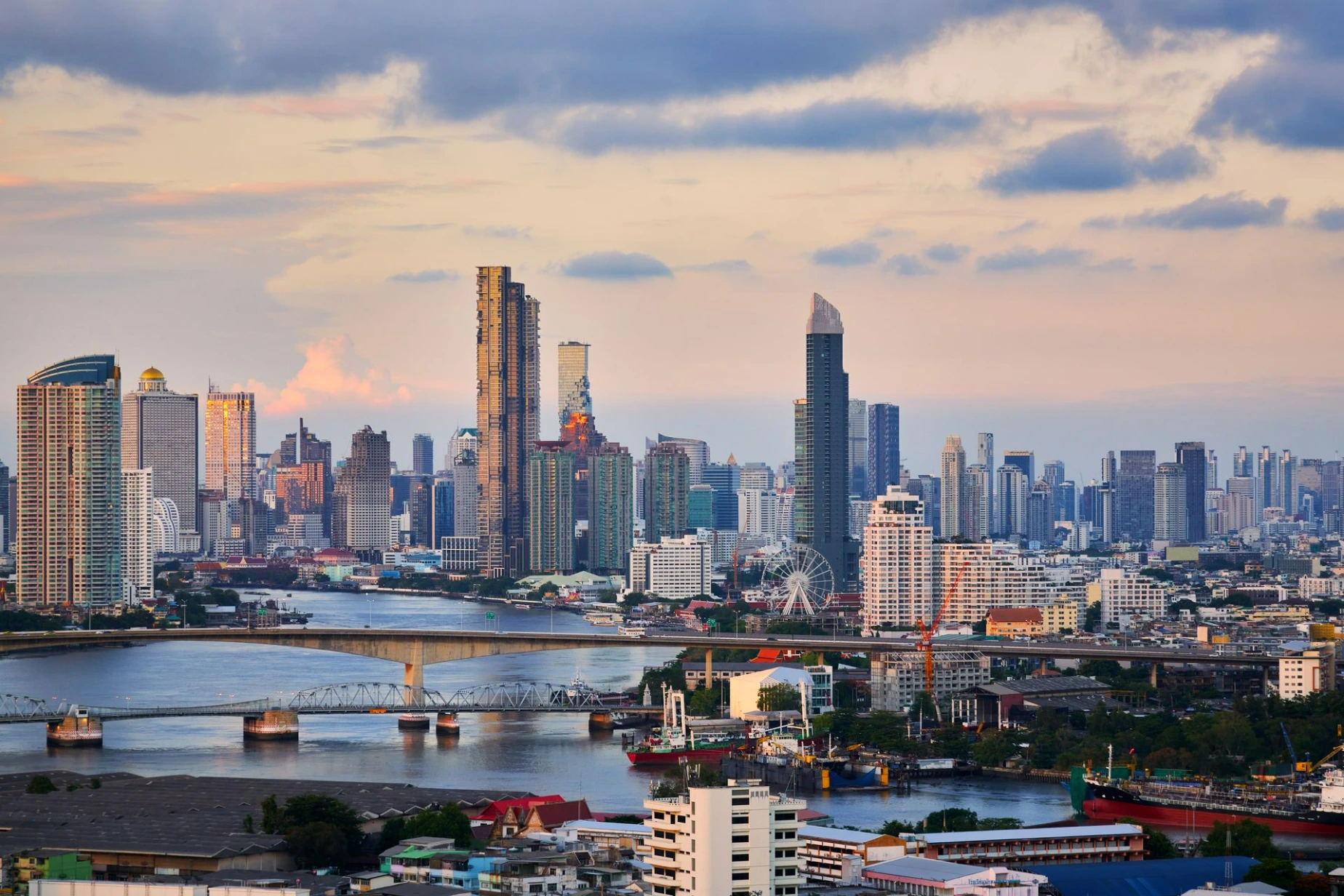
Best for: First-time visitors, transit layovers, food-focused travel, cultural access
Bangkok functions as both a destination and a gateway. Its practical advantage is range: within a few kilometers, a traveler can access world-class street food, serious fine dining, Buddhist temples, nightlife, contemporary art, and major transport links. The city's hotel infrastructure ranges from budget guesthouses to some of Southeast Asia's most capable luxury properties, with the greatest concentration along the Chao Phraya River corridor and in the Silom and Sukhumvit districts.
Operational notes: Humidity peaks between April and June. The BTS Skytrain efficiently covers the commercial and hotel corridor, but road traffic during peak hours (roughly 7:30 to 9:00 AM and 5:00 to 7:30 PM) can add 45 to 90 minutes to any journey. Most temples and markets are located outside the central hotel zones.
Pricing (2026): Luxury hotels along the Chao Phraya range from USD 200 to 600 per night. Metered taxis and Grab are consistently cheaper than tuk-tuks in the tourist zones. Budget accommodation in areas like Silom or Banglamphu starts around USD 15 to 30.
Where it falls short: Bangkok can overwhelm travelers seeking quiet. The combination of noise, heat, and persistent vendor solicitation in tourist zones requires some preparation. Air quality is a concern between January and March in some years.
Who this is not for: Travelers planning a purely beach-focused trip who intend to fly into Bangkok and immediately connect onward should treat the city as a 24 to 48-hour stop rather than a primary destination.
2. Chiang Mai
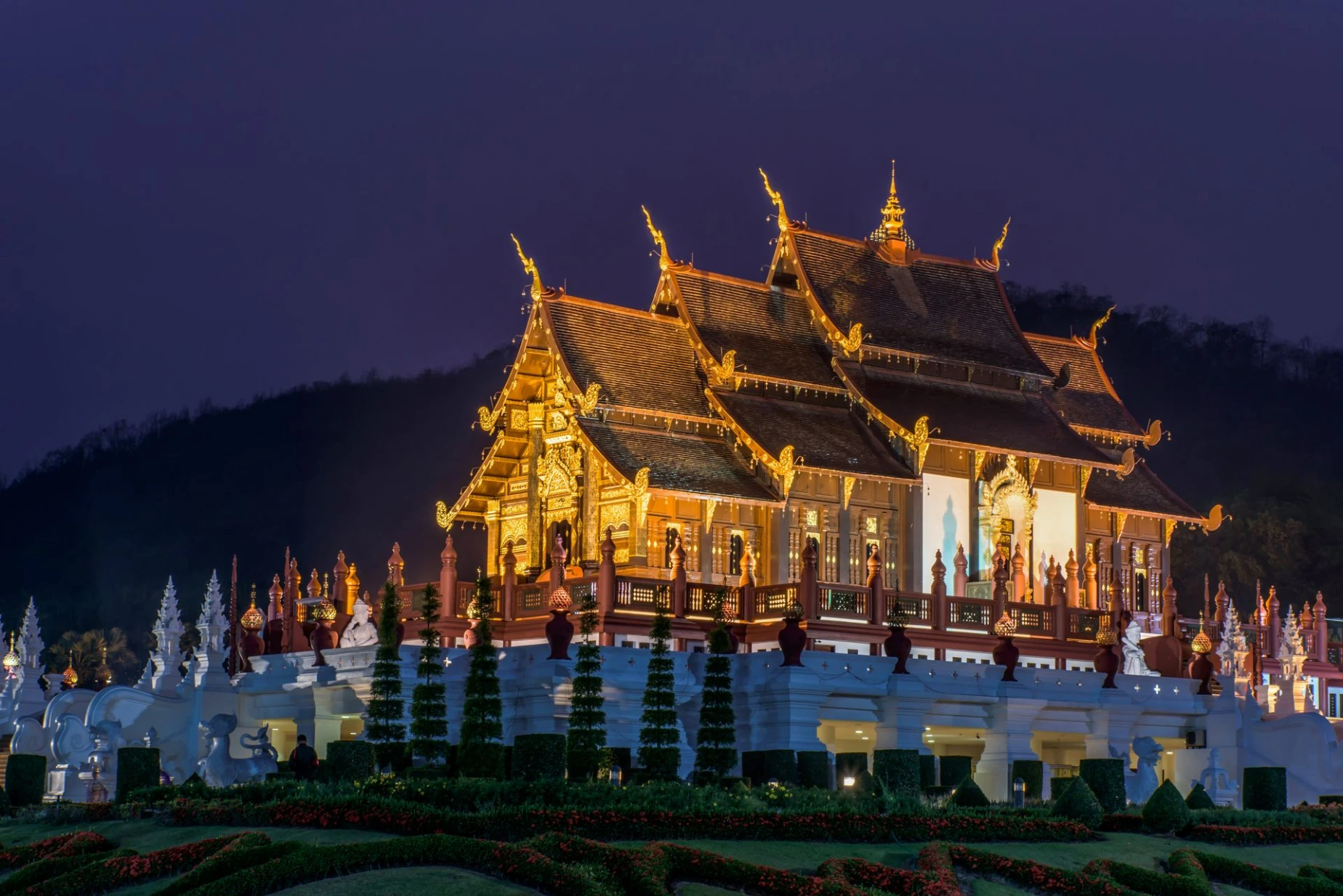
Best for: Cultural immersion, longer stays, trekking, culinary travel, northern Thailand travel
Chiang Mai is Thailand's most livable city for extended visits and consistently outperforms expectations on cultural depth. The Old City moat district contains over 300 temples, several of which offer visitors the chance to attend morning almsgiving or evening chanting with minimal crowds. The surrounding highlands offer multi-day trekking routes to hill-tribe villages, Doi Inthanon (Thailand's highest peak at 2,565 meters), and elephant sanctuaries, all of which are worth researching carefully before booking.
What to know: The best months are November to February, when temperatures are mild (15 to 25°C), and the air is clear. March through May sees the burning season, which drives particulate matter well above safe levels in some years. The city is navigable by songthaew (shared red trucks), bicycle, or rented scooter.
Pricing: Mid-range guesthouses and boutique hotels in the Old City run USD 40 to 120. Thai cooking classes start at approximately USD 35 for a half-day. Trekking packages range from USD 60 to 200, depending on duration and inclusions.
Contrarian insight: Chiang Mai's tourist infrastructure is so developed that many visitors experience the city mainly through curated experiences rather than organic discovery. The more interesting restaurants, night markets, and neighborhoods (Nimmanhaemin Road, Sunday Walking Street on Wualai Road) are a 10 to 15-minute tuk-tuk ride from the most-visited temple circuit.
Where it falls short: Burning season (March to May) is a genuine deterrent, not a minor inconvenience. Travelers with respiratory sensitivities should avoid this period entirely. Some experiences marketed specifically to Western visitors carry a price premium disconnected from their actual value.
3. Phuket
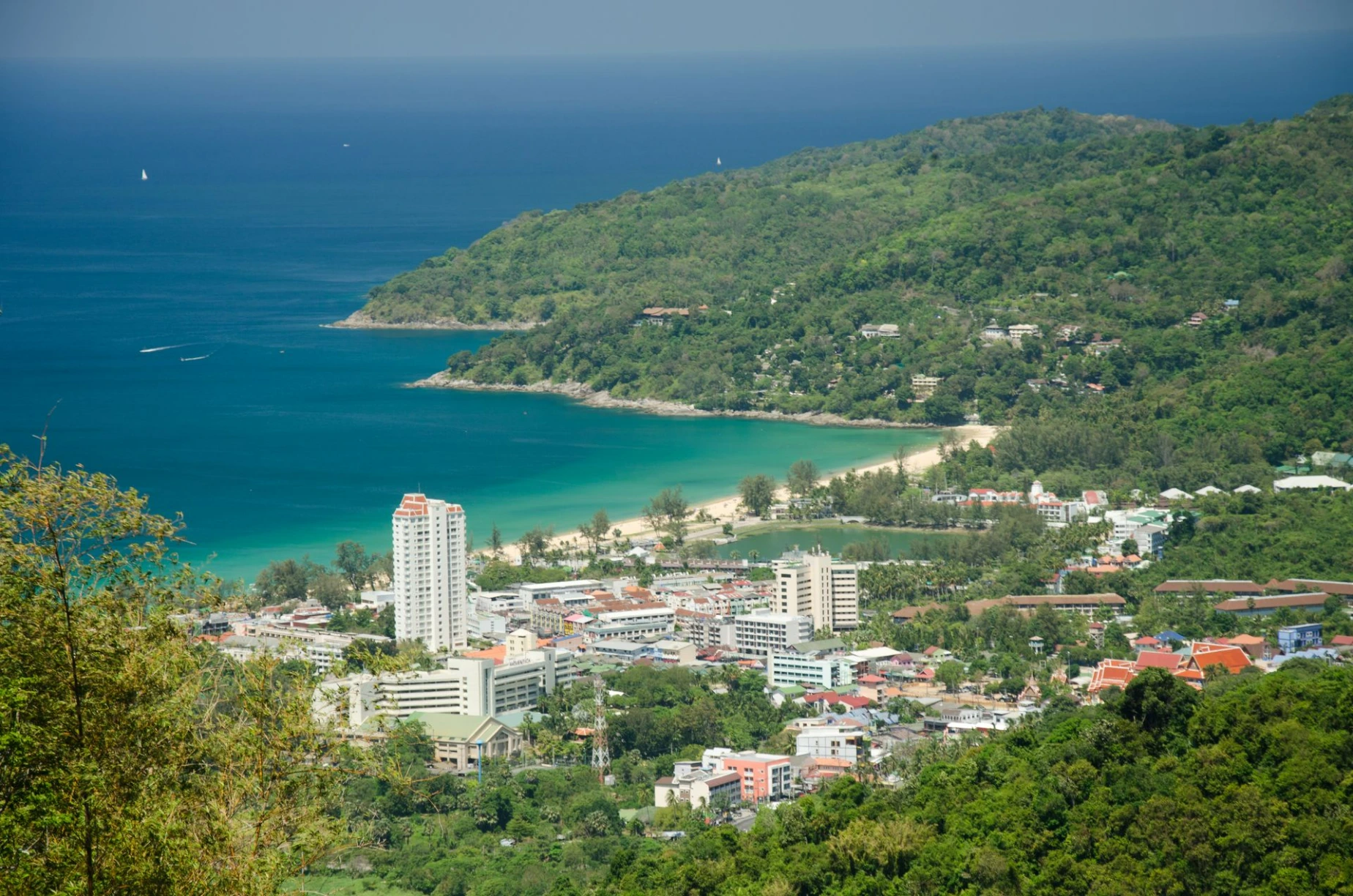
Best for: Andaman coast beach resorts, diving, family travel, nightlife, ease of logistics
Phuket's practical advantage lies in its infrastructure density. It has an international airport, a high concentration of full-service resorts, and efficient access to surrounding islands. The west coast beaches (Kamala, Surin, Bangtao) offer calmer, more considered positioning compared to the high-density Patong zone. For divers, Phuket serves as the primary staging point for liveaboards to the Similan Islands and the Surin Islands, both of which are considered among the best dive sites in the Andaman Sea.
See exact routes and vessel types for island access in the private boat tours Phuket planning guide before booking day trips or liveaboards.
What to know: The dry season runs from November to April. Monsoon months (May to October) bring heavy rain and rough seas that limit access to the islands. The airport sits approximately 45 to 60 minutes from most West Coast resorts under normal traffic conditions.
Pricing: Mid-range beach resorts on Bangtao or Kamala start at USD 80-160. Luxury properties (Amanpuri, Trisara) start at USD 700. A 3-day Similan Islands liveaboard typically costs USD 400 to 700. See also the full must-visit places in Phuket guide for a breakdown by experience type.
Contrarian insight: Phuket's west coast beaches are attractive, but access from most resort hotels requires walking through or around developed beachfront. Private beach access is largely limited to properties at the premium end of the market, and even there, the "private beach" is often a roped section of a public shoreline.
Where it falls short: Patong Beach delivers a fundamentally different product from what most luxury travelers expect. High season (December to January) sees significant crowd density across all beach areas. During peak season, access paths to Patong and Kata beaches become congested by mid-morning, significantly changing the experience compared to arriving before 9:00 AM.
4. Krabi and Railay Beach
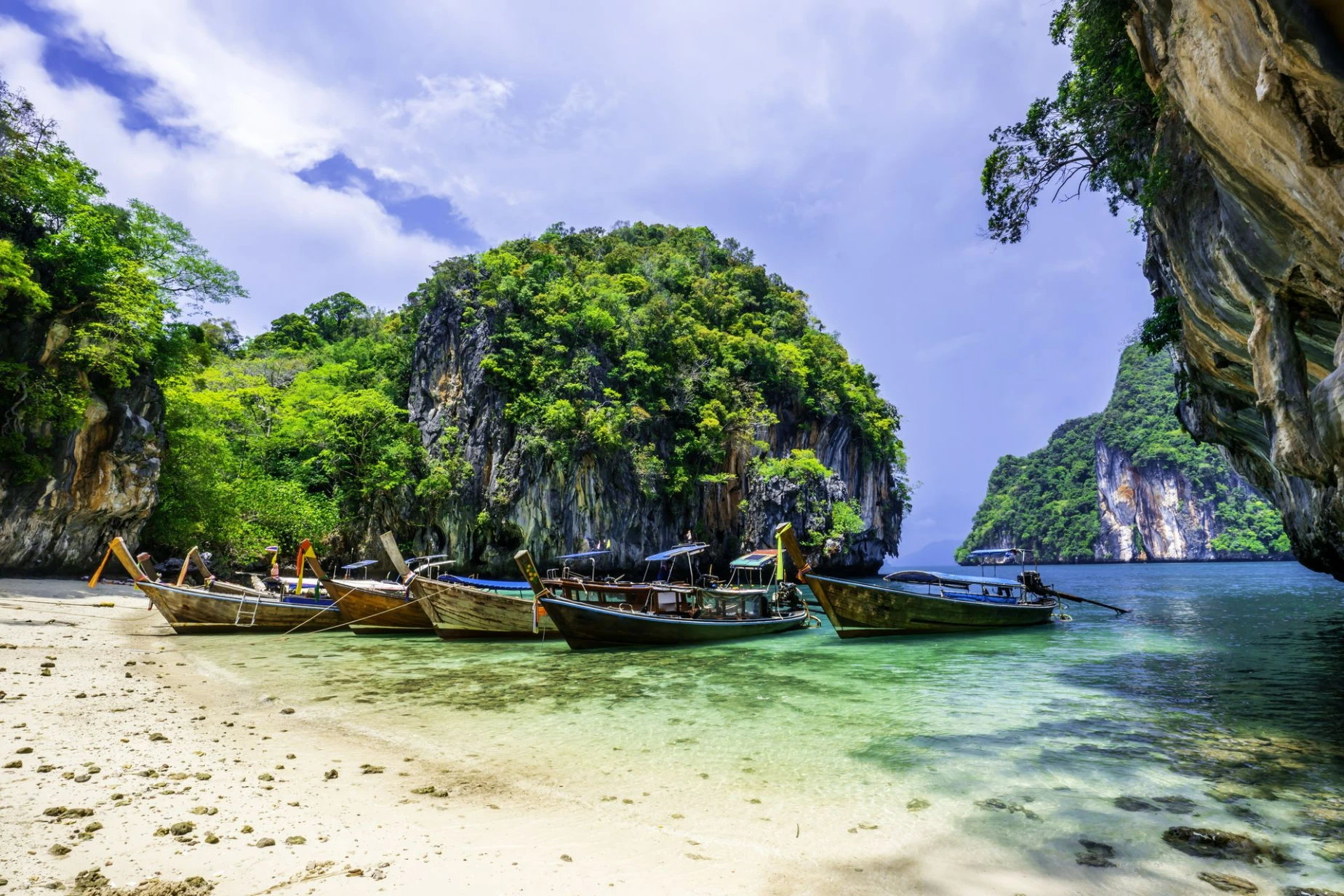
Best for: Andaman coast scenery, rock climbing, snorkeling, family beach holidays
Krabi and its surrounding beaches (Ao Nang, Klong Muang, and Railay) offer some of Thailand's most photographed limestone karst scenery. The standout within this area is Railay Beach, a peninsula accessible only by longtail boat (10 minutes from Ao Nang, approximately THB 100 per person) because the limestone walls make road access physically impossible. That single logistical constraint significantly reduces crowd density compared to the rest of the Krabi coast.
If you are deciding between these two destinations on the Andaman coast, the Phuket vs Krabi vs Koh Samui comparison covers the full trade-offs for each traveler type.
What to know: Railay has two sides: the west beach (cleaner, calmer water) and the east side (mangrove-lined, muddy at low tide). The ferry from Krabi town to Ao Nang takes approximately 45 minutes. Krabi International Airport handles direct connections from Bangkok (approximately 1 hour 15 minutes).
Pricing: Longtail boats to Railay operate on a shared basis during daylight hours; private charter from Ao Nang costs approximately THB 800 to 1,200. Accommodation on Railay ranges from THB 1,200 to over THB 8,000 per night for beachfront villas. Rock climbing courses begin at approximately THB 1,200 for a half-day.
Contrarian insight: Railay is quieter than most Andaman beaches, but it is not actually private. Its appeal is scenery and access rather than isolation. During peak months (December to January), the small beach can feel crowded despite the boat-access-only geography.
Where it falls short: Longtail boats stop operating after sunset, which effectively traps guests on the peninsula. Boat queues also build between 4:30 PM and sunset, which can delay return transfers to Ao Nang during peak months. During heavy weather, boat access can be restricted. Not suitable for travelers who need convenient facilities or late-night transport options.
5. Koh Samui
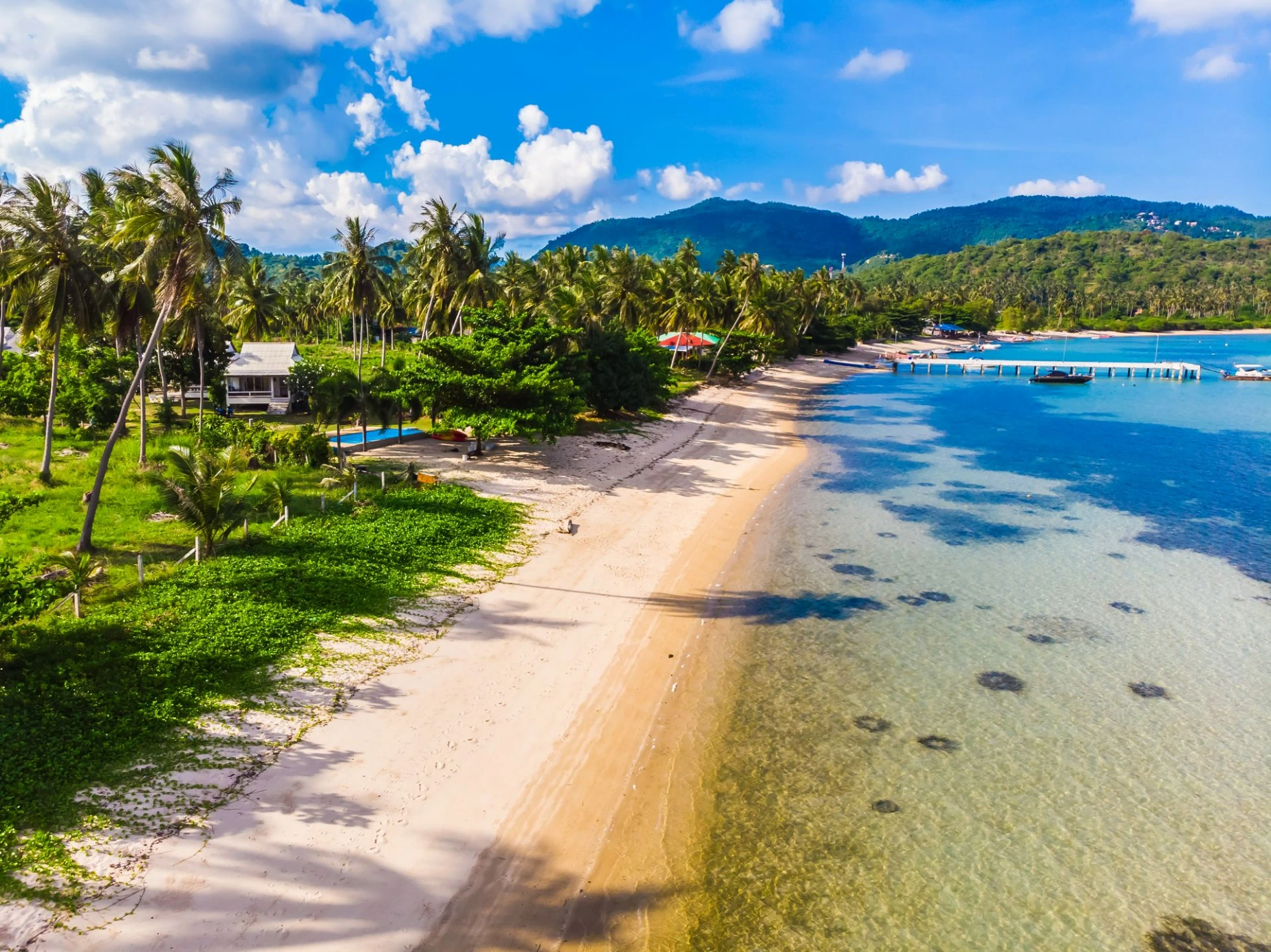
Best for: Gulf of Thailand luxury resorts, families, north shore positioning
Koh Samui has a different weather pattern from the Andaman coast. It's dry season, which peaks from December through April, with a secondary clear period around June and July. The north shore (Bophut, Bangrak, Maenam) hosts the most consistent upscale positioning. The southern and eastern coasts are more mixed in quality and more heavily developed.
Access and seasonality: Samui Airport (a private facility operated by Bangkok Airways) keeps ticket prices structurally higher than mainland routes. A Bangkok Airways round trip often runs THB 3,000 to 6,000 or higher. The alternative is to fly to Surat Thani and take a ferry (approximately 1.5 to 2 hours), which reduces costs but adds travel time.
Pricing: Luxury resorts on the north shore (Four Seasons Koh Samui, Conrad Koh Samui, Vana Belle) run USD 400 to 1,200 per night. Mid-range options in Bophut start at USD 80 and go up to USD 150. Koh Samui's dining scene is strong across price points, particularly around Bophut Fisherman's Village.
Where it falls short: The island's airport pricing structure means it rarely offers good value unless staying at the upper end of the market. The east coast beaches (Chaweng, Lamai) are heavily commercialized. Compared to the Andaman coast, water clarity is lower, particularly after heavy rain.
6. Koh Lanta
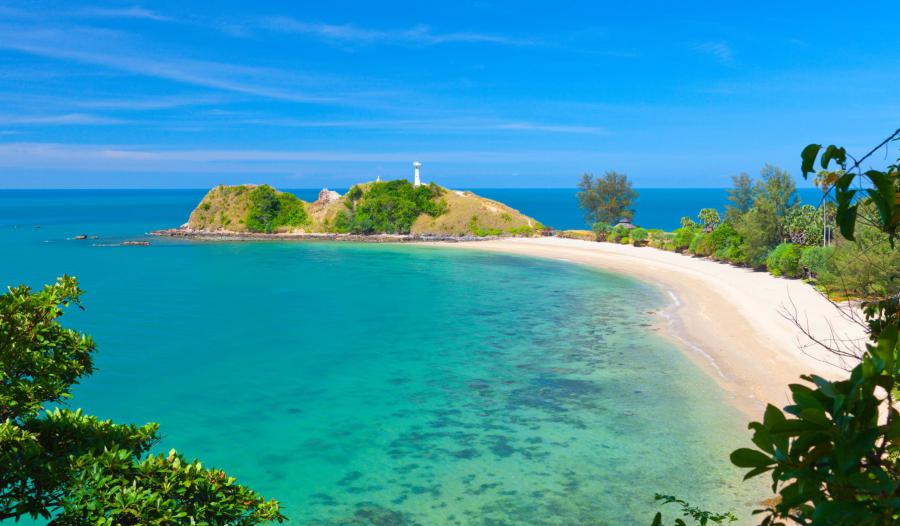
Best for: Quiet Andaman beaches, divers, families seeking calmer alternatives to Phuket and Krabi
Koh Lanta Yai offers a noticeably different pace from the main Andaman destinations. It has no party infrastructure, no airport, and fewer international tour groups. The west coast beaches (Long Beach, Klong Dao, Klong Khong) are clean and long, with good snorkeling reachable by longtail from most beaches. The southern tip of the island has some of the best visibility for shore diving in the area.
Access and seasonality: Access requires a minivan from Krabi town (approximately 2 hours, including two car ferry crossings) or a speedboat during high season. The island shuts down significantly during the low season (May to October) as many restaurants and guesthouses close. The road along the west coast is paved and navigable by scooter.
Pricing: Mid-range guesthouses and small resorts on Long Beach or Klong Dao run USD 40 to 120. Some boutique properties reach USD 200. A full-day snorkeling boat trip to the surrounding islands costs approximately THB 1,200 to 1,800 per person on a shared basis.
Contrarian insight: Koh Lanta's quietness is genuine, but it is partly a function of fewer facilities rather than stronger infrastructure planning. The selection of high-end restaurants and services is thin compared to Koh Samui or Phuket.
Where it falls short: Low season essentially eliminates the destination. Access time from Bangkok is approximately 5 to 7 hours by land, or 1.5 to 2 hours by speedboat from Krabi. This creates a mismatch for travelers expecting Phuket-level amenities.
7. Koh Yao Noi
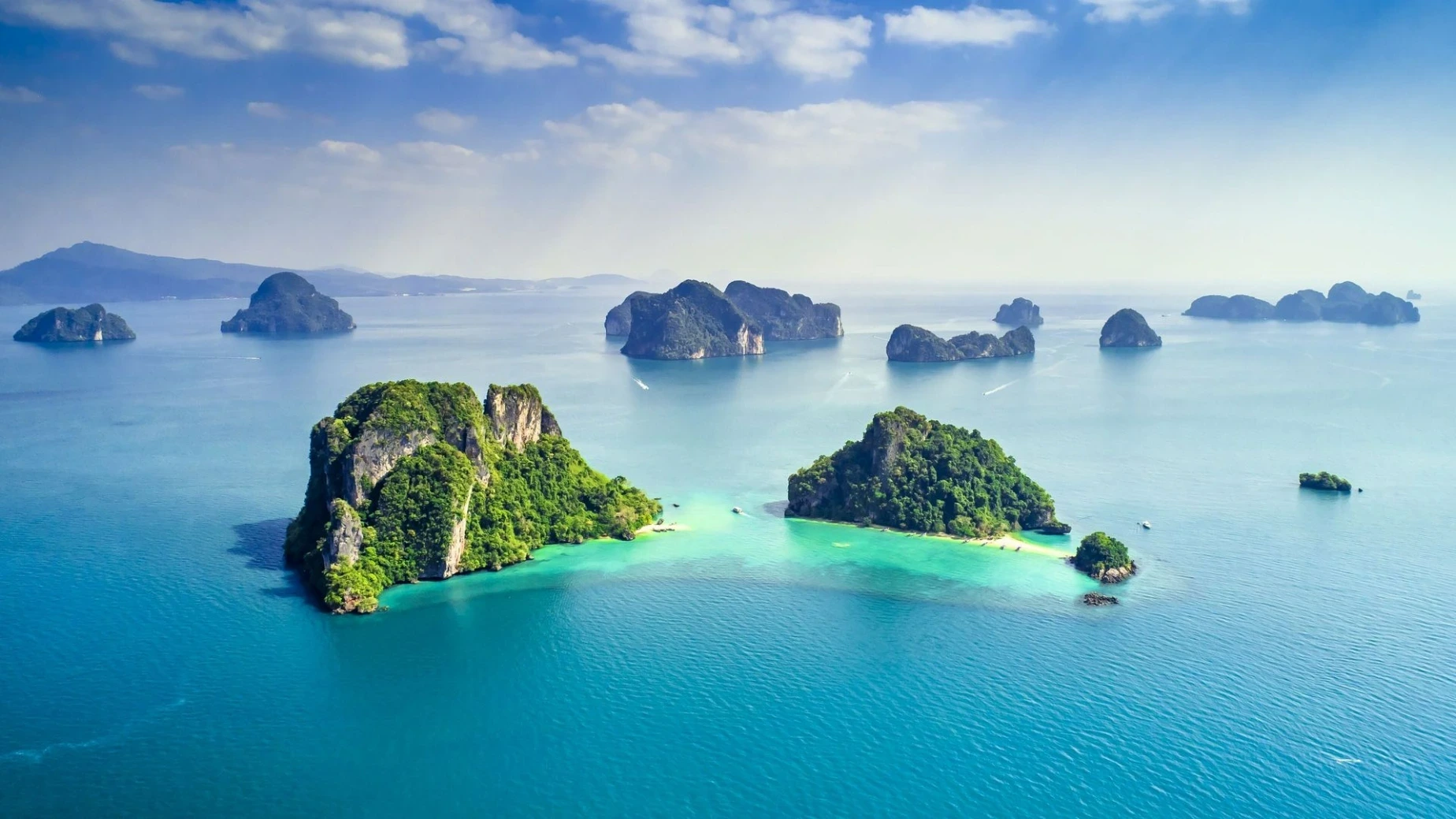
Best for: Privacy, Phang Nga Bay day trips, travelers seeking minimal tourism infrastructure
Koh Yao Noi is the most genuinely undeveloped island in the Phuket-Krabi corridor. It has no major beach clubs, no nightlife, and no international resort brands. What it does have is clear water, mangrove-lined coastlines, and direct speedboat access to the limestone formations of Phang Nga Bay. Its primary value is its proximity to everything the Andaman coast offers, without being part of it.
For a full breakdown of how to reach the bay formations and which routes avoid the tour boat crowds, see the Phang Nga Bay planning guide before booking your island base.
What to know: Ferry access from Phuket (Bang Rong Pier) takes approximately 30 minutes by speedboat or 60 to 90 minutes by regular ferry. The island's circumference is navigable by scooter in under an hour. Most guesthouses and small resorts are located on the east coast, facing Phang Nga Bay.
Pricing: Six Senses Yao Noi is the leading luxury option, priced from USD 800 to 2,000 per night. Mid-range guesthouses run USD 40 to 100. Phang Nga Bay day tours from the island run approximately USD 60 to 100 per person.
Contrarian insight: The island's undeveloped character is both its feature and its limitation. High-end dining options are extremely limited outside Six Senses. This is where expectations often diverge sharply from what mid-range accommodation actually delivers.
Where it falls short: The beaches on Koh Yao Noi are not among the region's most spectacular. The value is positioning and access, not the beach itself. Travelers who prioritize sand quality over privacy are better served by other options on this list.
8. Pai
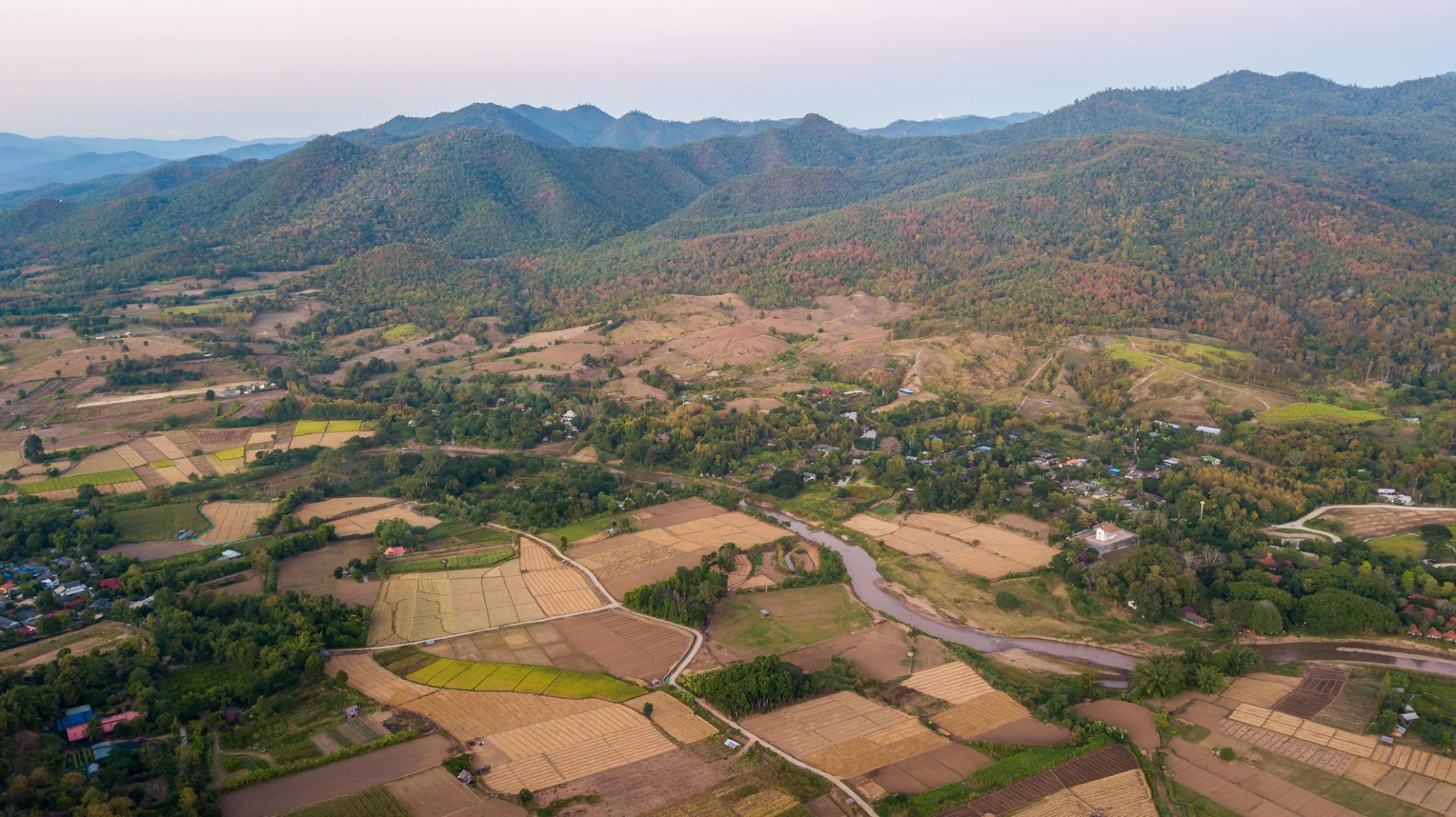
Best for: Slow travel, northern Thailand landscape, travelers who value atmosphere over facilities
Pai is a small mountain town in Mae Hong Son Province, approximately 130 kilometers northwest of Chiang Mai via a road with 762 curves. The landscape of the surrounding valley, with mist-covered hills and rice fields in the cool season, is the product itself. The town hosts a disproportionate number of cafes, small guesthouses, and outdoor activity operators relative to its population of around 3,000.
Travel logistics: The drive from Chiang Mai by private car or minivan takes 3 to 4 hours. Motion sickness is common on the mountain road; this is not an exaggeration and should be factored into planning. Flying from Chiang Mai to Pai Airport takes 25 minutes and costs approximately THB 2,500-4,000 each way. The best months are November to February.
Pricing: Most guesthouses run THB 600 to 2,500 per night. Some boutique properties reach THB 4,000 to 6,000. Dining is inexpensive relative to the rest of Thailand's tourist circuit.
Contrarian insight: Pai attracts a specific traveler demographic (backpackers, digital nomads, young Thai urbanites on weekend trips) that creates a social atmosphere some find appealing and others find incongruous with the landscape. The town itself is not a luxury destination.
Where it falls short: Limited high-end accommodation. During Christmas and New Year, the town becomes significantly busier than its infrastructure can comfortably handle. The mountain road rules this destination out for motion-sensitive travelers, regardless of other preferences.
9. Ayutthaya
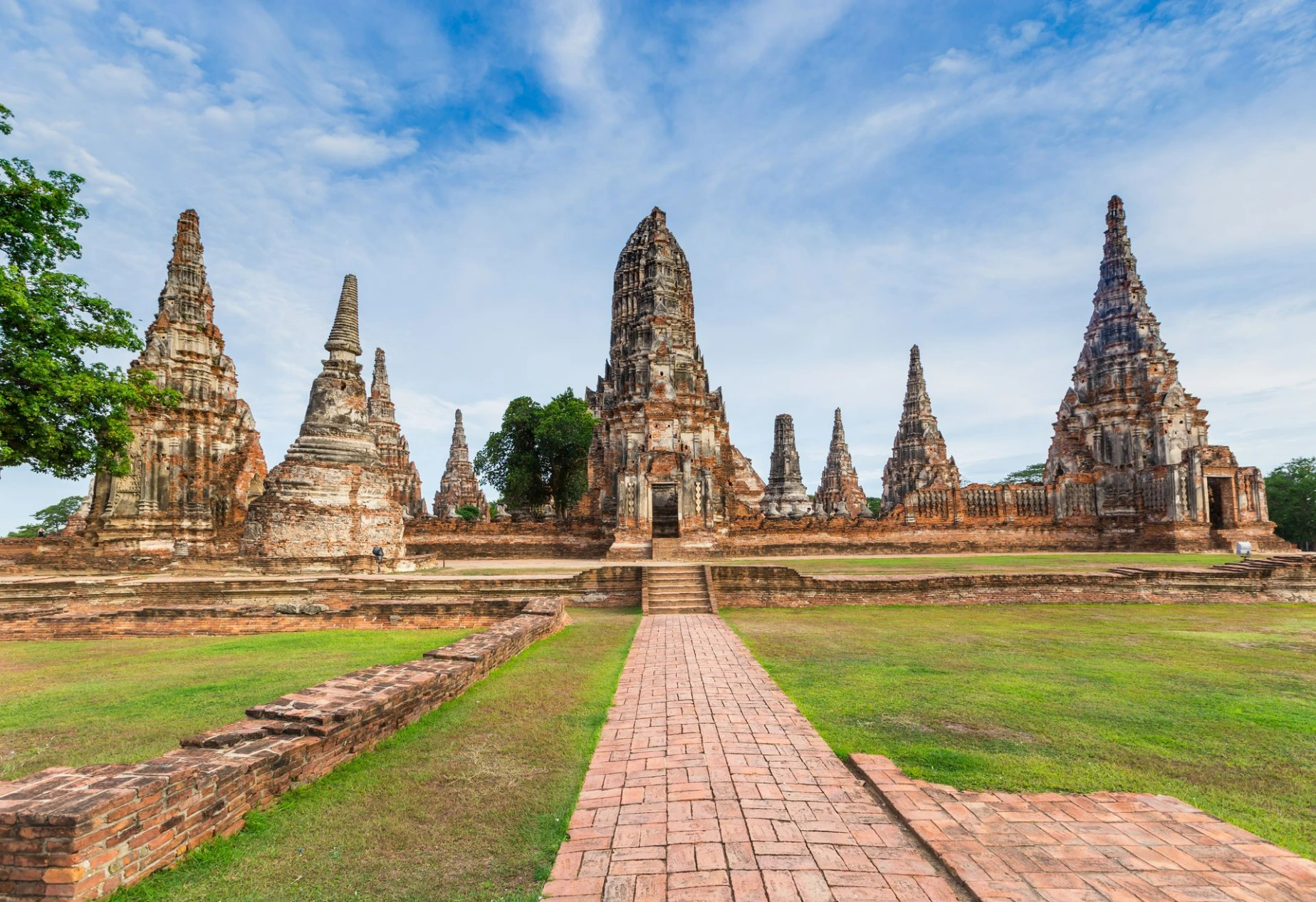
Best for: Half-day or full-day trips from Bangkok, temple history, and UNESCO heritage
Ayutthaya was the capital of the Ayutthaya Kingdom from 1351 to 1767, when it was sacked by Burmese forces. What remains is a 289-square-kilometer island and surrounding area containing more than 400 temple complexes, making it one of the most concentrated heritage sites in Southeast Asia. The historical park holds UNESCO World Heritage Site designation, a recognition tied specifically to its outstanding universal value as evidence of the Ayutthaya Kingdom's cultural and architectural achievements, and is best explored by bicycle, tuk-tuk, or a hired private driver.
Operational notes: Ayutthaya is 80 kilometers north of Bangkok, reachable by train (approximately 1.5 hours, THB 20 to 60), minivan, or private transfer (1.5 to 2 hours depending on traffic). A full day allows comfortable coverage of the primary temples. The hottest months (March to May) make outdoor exploration genuinely uncomfortable.
Pricing: Entry to individual temple complexes costs THB 50 per site, or THB 220 for a combined ticket covering the main historical park. A private day tour from Bangkok runs approximately USD 60 to 100 per person. Bicycle rental on the island starts at THB 50-100 per day.
Where it falls short: Ayutthaya is best as a day or overnight excursion from Bangkok rather than a standalone destination. During peak season, the most famous site (Wat Mahathat, with the Buddha head framed by tree roots) draws large tour groups and photography queues.
10. Chiang Rai
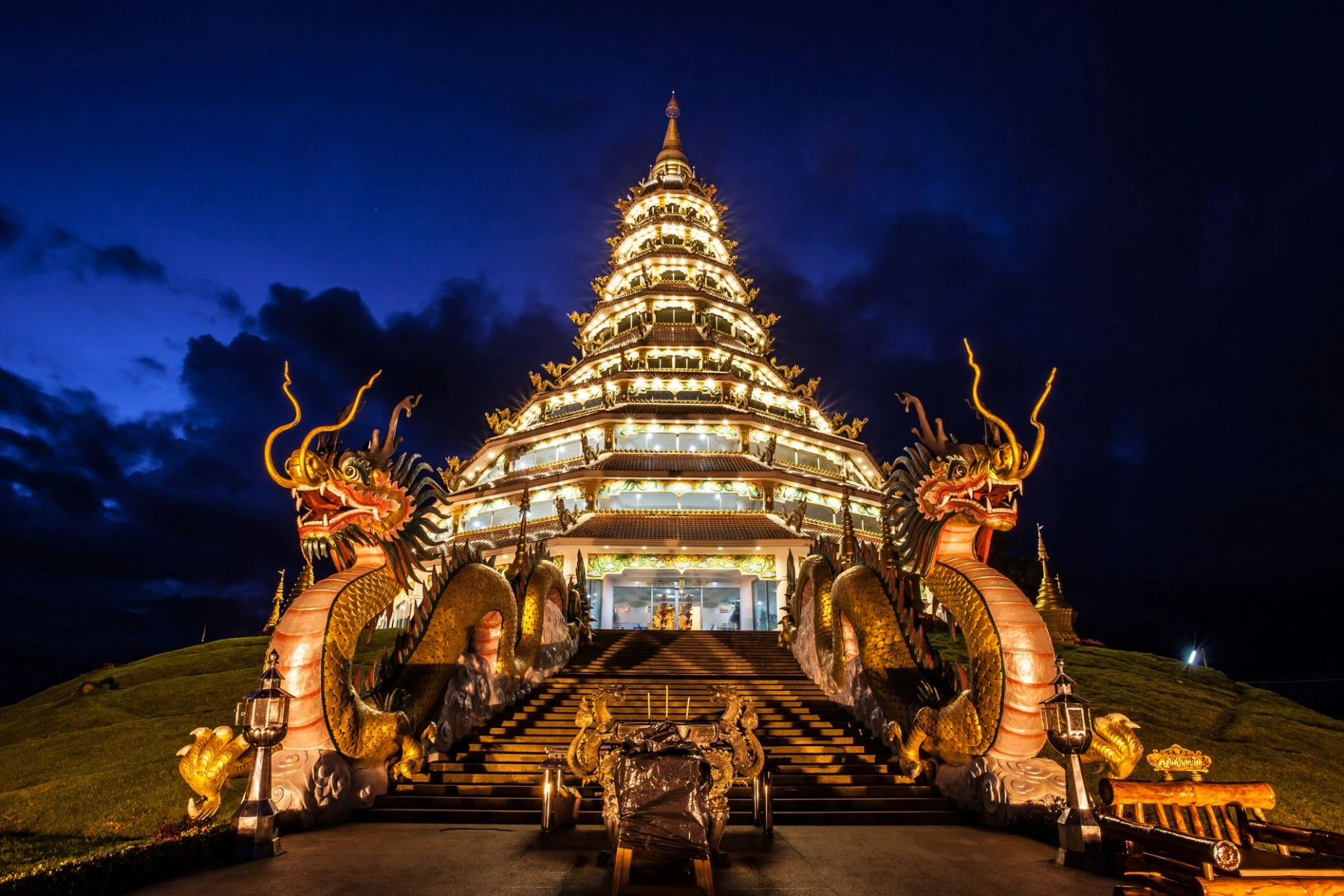
Best for: White Temple (Wat Rong Khun), Golden Triangle, travelers completing a northern Thailand circuit
Chiang Rai is Thailand's northernmost major city and offers a different register from Chiang Mai. The primary draws are Wat Rong Khun (a contemporary Buddhist structure entirely clad in white mosaic by artist Chalermchai Kositpipat), the Blue Temple (Wat Rong Suea Ten), and proximity to the Golden Triangle, where the borders of Thailand, Myanmar, and Laos converge.
What to know: Chiang Rai has a small international airport with connections to Bangkok (approximately 1 hour 20 minutes). The city is about 200 kilometers away and a 3-hour drive from Chiang Mai. The White Temple is located 13 kilometers south of the city center and is not within walking distance of the main accommodation zone.
Pricing: Entry to the White Temple is THB 100 per person. Accommodation in central Chiang Rai runs THB 800 to 3,500 for mid-range options. Anantara Golden Triangle (at the actual confluence) starts at approximately USD 250-500 per night.
Where it falls short: As a standalone destination, Chiang Rai is best suited for 1 to 2 nights. The Golden Triangle itself is a scenic viewpoint rather than a deep cultural site. Travelers who visit only the White Temple and return often feel the journey was disproportionate to the experience.
11. Khao Sok National Park
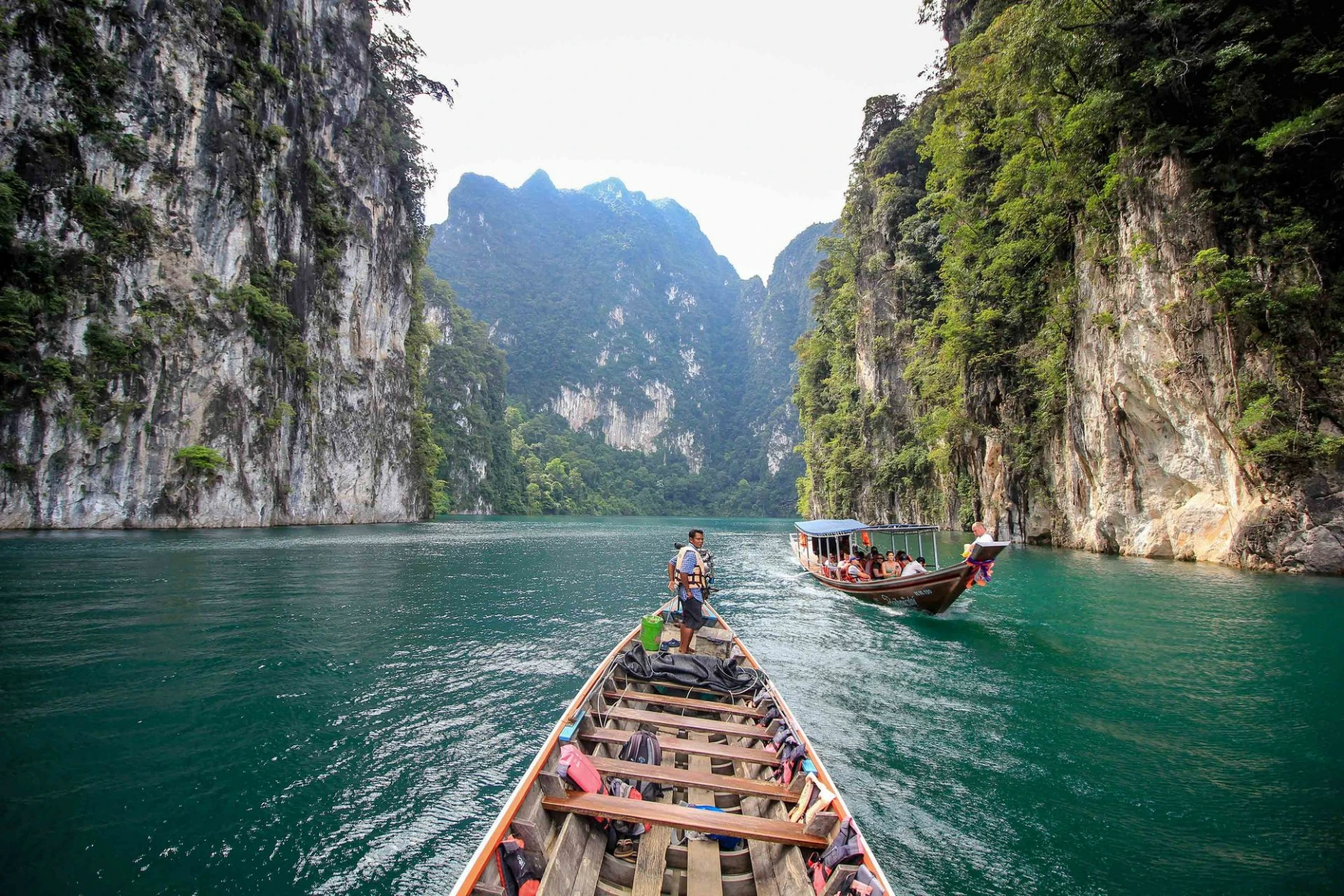
Best for: Wildlife, jungle trekking, floating bungalows on Cheow Lan Lake, interior Thailand
Khao Sok is one of the oldest rainforests in the world (estimated at 160 million years) and one of the few places in southern Thailand where wildlife sightings, including gibbons, hornbills, and occasionally leopards, are realistic without long or difficult trekking. The central attraction for most visitors is Cheow Lan Lake, a 165-square-kilometer reservoir surrounded by limestone karst formations, reachable by boat from the park entrance. Floating bungalows allow overnight stays on the lake itself.
What to know: The park sits midway between Phuket and Koh Samui, making it one of the most effective additions to a southern Thailand itinerary when balancing beach and inland experiences. Access from Surat Thani takes approximately 1.5 hours. The park receives rainfall year-round, but the heaviest months (September to November) can restrict trekking. Overnight lake trips are strongly recommended over day trips.
Pricing: A standard 2-day, 1-night floating bungalow package with guided trekking and boat transfers runs approximately USD 80 to 150 per person. Entry to the national park costs THB 300 per adult.
Where it falls short: The floating bungalows are basic. Electricity is typically solar-powered and limited to evening hours. The jungle experience requires genuine tolerance for heat, humidity, and insects. Those expecting resort comfort will encounter a significant gap.
12. Hua Hin
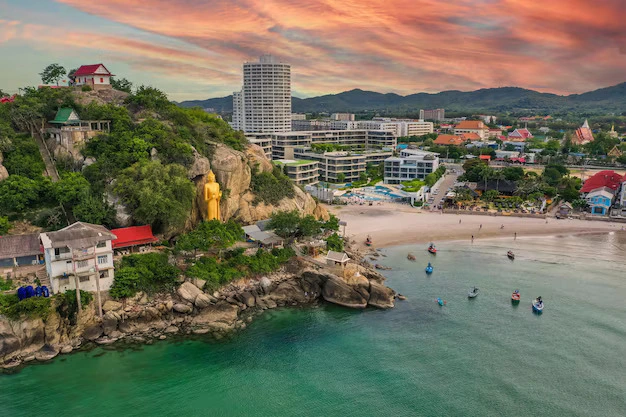
Best for: Gulf of Thailand weekend travel, families, golf, calm shallow-water beaches
Hua Hin is Thailand's oldest beach resort and one of the few coastal destinations shaped by royal residency rather than tourism demand. The Royal Family's summer palace (Klai Kangwon) is located here, which accounts for the town's comparatively restrained character relative to Phuket or Samui. The beach is wide and calm; the water is shallower and warmer than the Andaman coast, but also less clear. The town has a well-regarded night market, a cluster of golf courses, and a range of resorts from mid-market to the Rosewood Hua Hin and InterContinental.
What to know: The drive from Bangkok takes approximately 2.5 to 3.5 hours. The train service from Bangkok Hua Lamphong takes 3.5 to 4.5 hours (THB 200 to 600, depending on class). Jellyfish can be a seasonal concern along the beach between June and September.
Pricing: Mid-range hotels run THB 2,000 to 5,000 per night. Rosewood Hua Hin starts at approximately USD 250 to 400. Green fees at area golf courses run THB 1,200 to 3,500 for 18 holes.
Where it falls short: Water clarity is lower than on the Andaman coast by a significant margin. Hua Hin operates on a Bangkok weekend rhythm, which means Friday arrivals and Sunday departures push prices up and traffic density with them.
13. Kanchanaburi
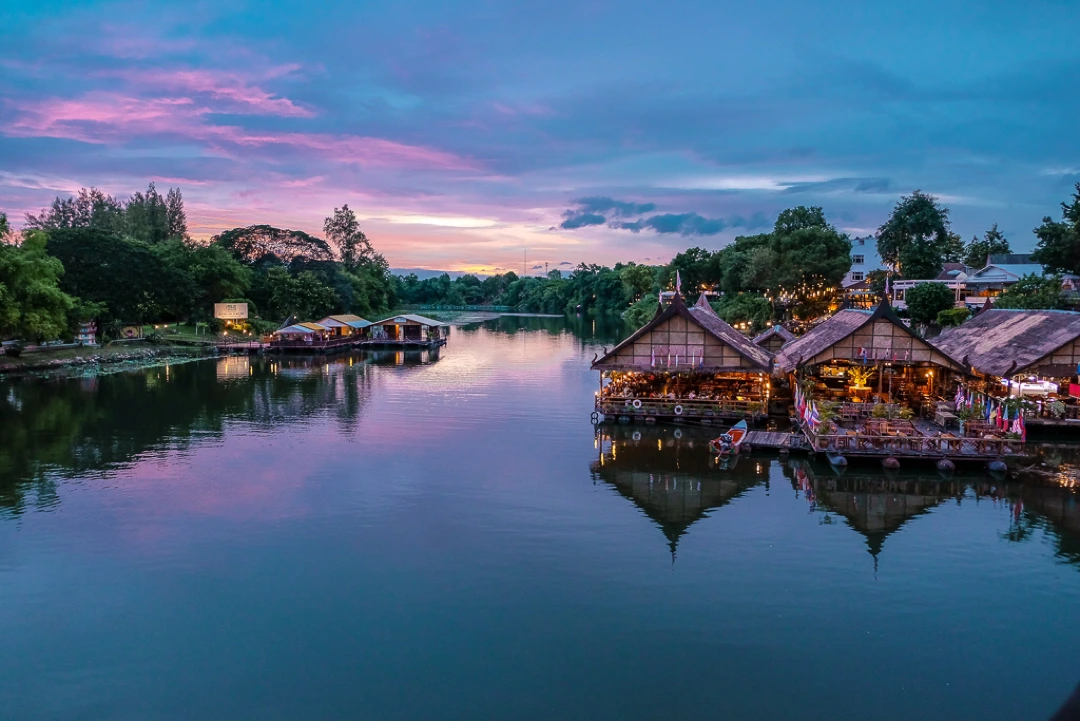
Best for: History, the River Kwai, waterfall access, travelers combining history with nature
Kanchanaburi holds significant historical weight as the site of the Death Railway and the Bridge on the River Kwai, built by Allied prisoners of war and Asian laborers under Japanese occupation during World War Two. The Thailand-Burma Railway Center and the Allied War Cemetery (6,982 graves) are among the most carefully maintained memorial sites in Southeast Asia. Beyond the historical layer, the surrounding province includes Erawan National Park, with its seven-tiered emerald waterfall, as well as several river-based resorts along the Kwai Noi and Kwai Yai rivers.
Operational notes: The drive from Bangkok takes approximately 2.5 to 3 hours. Train service from Bangkok Noi station runs twice daily (approximately THB 100, 3 hours). Erawan waterfall is 65 kilometers north of Kanchanaburi town and is accessible only by a separate vehicle. Entry costs THB 300 per adult.
Pricing: River resort accommodation on the Kwai runs THB 1,200 to 6,000 per night. Budget guesthouses in town start around THB 400. Most organized day tours from Bangkok cost USD 40 to 70.
Where it falls short: Kanchanaburi is best suited for 2 nights. A single day does not allow comfortable coverage of both the memorial sites and Erawan. The floating restaurants along the river are a tourist fixture rather than a dining recommendation.
14. Koh Chang
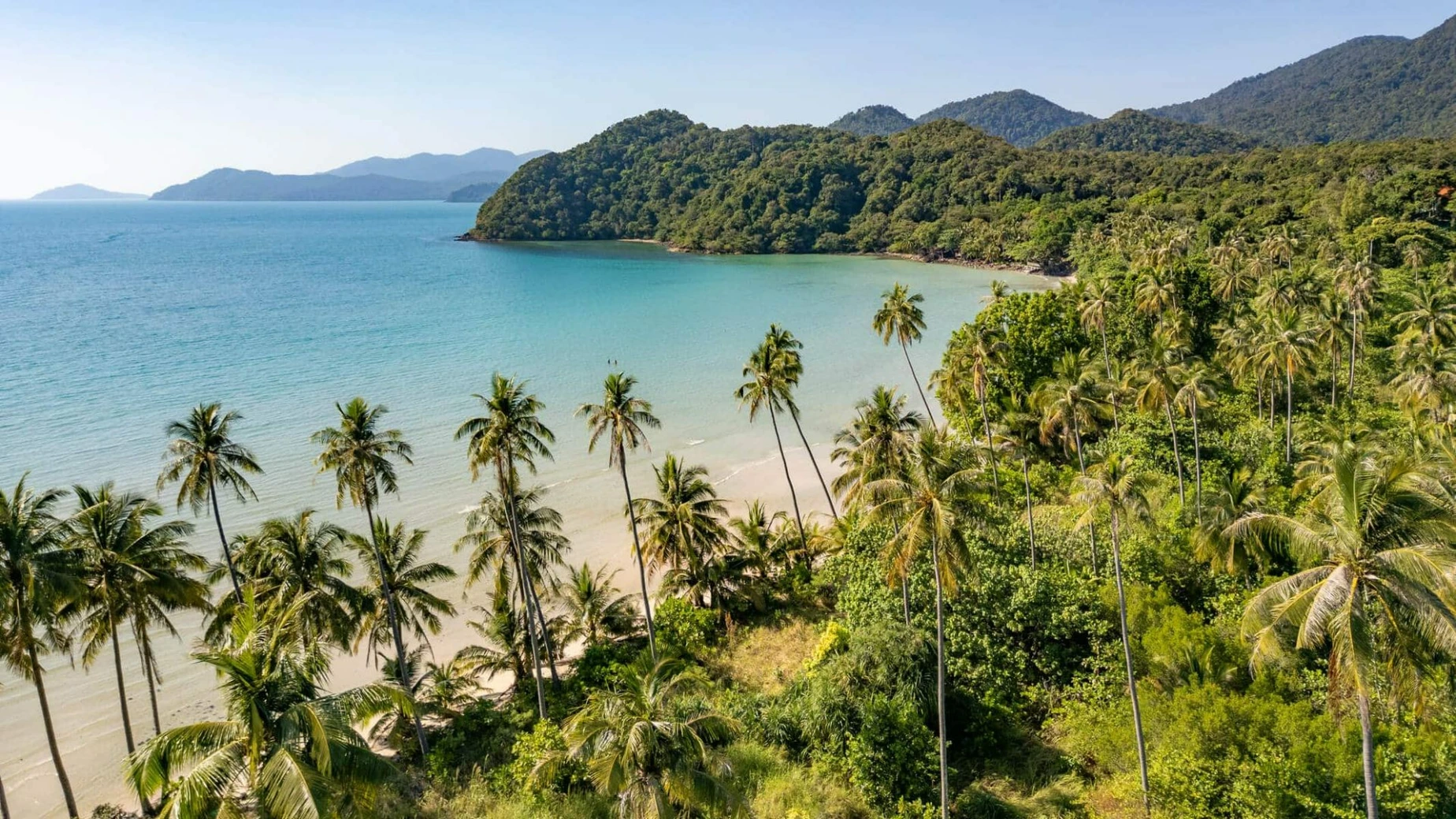
Best for: Budget and mid-range Gulf of Thailand beach travel, east coast alternative to Samui
Koh Chang is Thailand's second-largest island and sits closer to Cambodia than to Bangkok, which directly accounts for its lower visitor volume compared to the Gulf islands that receive direct flights. It offers long beaches (White Sand Beach and Lonely Beach are the most popular), jungle interior trekking, and a more relaxed atmosphere than Koh Samui, without the associated pricing or airport premiums.
What to know: The nearest airport is Trat (TDX), served by Bangkok Airways from Bangkok (approximately 1 hour). The alternative is a 5 to 6-hour bus from Bangkok's Eastern Bus Terminal to Trat, followed by a 30-minute ferry. The west coast beaches receive the best sunset light.
Pricing: Mid-range resorts on White Sand Beach run THB 1,500 to 5,000 per night. Budget accommodation is available from THB 400 to 800.
Where it falls short: Infrastructure quality is noticeably lower than in Koh Samui or Phuket. The beaches are pleasant, but not among Thailand's best for water clarity. The island draws fewer high-end travelers, which is a feature for some and a limitation for others.
15. Sukhothai
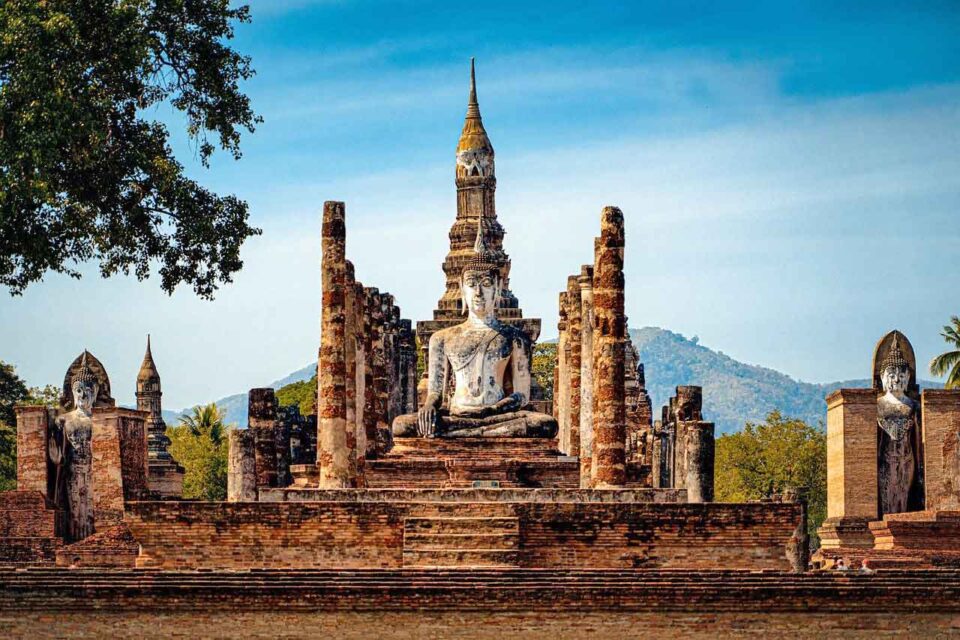
Best for: Temple history, cycling through heritage zones, travelers who find Ayutthaya worth a dedicated trip
Sukhothai was Thailand's first independent kingdom (1238 to 1438 AD), and its historical park contains some of the country's most important early Buddhist architecture. Unlike Ayutthaya's dense island format, Sukhothai's ruins are spread across a large open-air park rather than concentrated in a single zone, which changes how the experience is navigated and paced. The old city zone is managed by the Fine Arts Department with well-maintained pathways and informational signage.
Operational notes: Sukhothai has a small airport (TKH) with connections to Bangkok via Nok Air (approximately 1 hour 15 minutes). The historical park is 12 kilometers from the new town. Entry is THB 100 per zone (three zones total). A guided tour of the full historical park takes approximately 4 to 5 hours. Bicycle rental near the park entrance costs THB 30-60 per day.
Where it falls short: Sukhothai is best suited to travelers with a genuine interest in Thai history and Buddhist art. As a general beach or leisure destination, it does not compete. The surrounding new city offers limited attractions beyond the park itself.
Seasonal Overview: When to Go Where in Thailand
Thailand's geography creates two distinct weather systems that determine timing as much as budget or preference, with official data available from the Thai Meteorological Department.
Places to visit in southern Thailand (Andaman coast): Phuket, Krabi, Koh Lanta, Koh Yao Noi, Khao Sok. The dry season runs from November to April. Monsoon from May to October brings heavy rain and limited sea access. See the full southern Thailand Andaman coast travel guide for detailed routing, timing, and island combinations.
Gulf of Thailand destinations: Koh Samui, Hua Hin, Koh Chang. The cycle is largely reversed. Koh Samui's dry season is December to April, with the north shore seeing some rain in September and October, which the Andaman Islands miss. Full seasonal detail is in the Gulf Coast travel guide covering Koh Samui, Koh Phangan, and Koh Tao.
Northern Thailand travel: Chiang Mai, Chiang Rai, Pai. Cool and dry November to February; hot March to May; rainy June to October; with the burning season (agricultural fires) peaking in March to April.
Central Thailand: Bangkok, Ayutthaya, Kanchanaburi, Sukhothai. Hottest March to May (35 to 40°C). Most comfortable from November to February.
Planning Note
Most Thailand itinerary planning fails at this exact point: choosing destinations based on reputation rather than on season and access. A well-timed visit to a quieter destination almost always outperforms a poorly timed visit to a famous one. If you are still deciding between regions, compare the Andaman coast and Gulf of Thailand options before locking your route. Season and access matter more than destination popularity.
FAQ: Best Places to Visit in Thailand
What is the best time to visit Thailand overall? November to February is the optimal window for exploring the best places in Thailand across multiple regions. Both the Andaman and Gulf coasts are generally accessible, northern Thailand is cool and clear, and the heat in central Thailand is manageable. For travelers focused specifically on Gulf of Thailand destinations (Koh Samui, Koh Phangan), December through April is more reliable.
How much does a holiday in Thailand cost? A budget traveler can manage on USD 30 to 60 per day, including accommodation, local food, and transport. A mid-range traveler using guesthouses and boutique hotels typically spends USD 80 to 200 per day. Luxury travel (private transfers, resorts above USD 300 per night, liveaboard diving) starts at USD 400 per day. Internal flights between destinations typically cost USD 30 to 80 each way when booked in advance.
Is Thailand worth visiting in the monsoon season? For specific destinations, yes. Northern Thailand, from June to September, offers genuine green season conditions without the Andaman coast's sea restrictions. Bangkok is functional year-round. Khao Sok has appeal in the rainy season when waterfalls and rivers are at full volume. The main trade-off is operational: some beach activities are suspended, some island guesthouses close, and the weather is unpredictable day to day.
Which Thailand travel destinations are least crowded? Koh Yao Noi, Sukhothai, Kanchanaburi, and Koh Chang receive a fraction of the visitor volume of Phuket, Chiang Mai, or Bangkok. Khao Sok National Park remains well below capacity outside of Thai public holidays. Timing matters as much as destination choice: arriving at peak sites before 9:00 AM or after 4:00 PM consistently changes the crowd dynamic at even the most-visited locations.
Which destinations are best for first-time visitors to Thailand? Bangkok and Chiang Mai together cover the majority of Thailand's cultural and logistical range in a compact itinerary. Adding a beach stop (Koh Lanta or Railay for scenery, Koh Samui for resort comfort, Phuket for infrastructure) completes a standard southern extension. A 10 to 14-day first visit covering these three zones provides a genuinely comprehensive introduction without over-scheduling.
Which are the best Thai beaches for first-time visitors? Phuket (west coast), Railay Beach, and Koh Samui (north shore) cover the three most common first-visit beach priorities. Phuket offers the strongest infrastructure and easiest access. Railay delivers the most distinctive scenery, with limestone cliffs on three sides and boat-only entry keeping crowd levels lower than comparable beaches. Koh Samui suits travelers who want a resort experience with more comfort and less logistical complexity than Phuket at a similar price point.
Are private beaches in Thailand actually private? Rarely. Thai law prevents full beach privatization, which means most resort "private beaches" are managed sections of public coastlines. The closest equivalent to genuine seclusion comes from boat access (Railay, certain Phang Nga Bay formations) or low-traffic islands such as Koh Yao Noi. True exclusivity in Thailand is a function of timing and access, not deed ownership.
Final Decision
The strongest trips to Thailand are built around one clear priority rather than an attempt to see everything. Thailand's geography and weather systems reward focused planning over itinerary maximalism.
For first-time visitors, Bangkok and Chiang Mai offer a mix of culture and food with minimal logistical friction. Koh Yao Noi and Koh Lanta deliver the Andaman experience without Phuket's density. Khao Sok adds genuine depth to the natural landscape of any southern Thailand itinerary.
These remain the best places to visit in Thailand when matched to the right travel style and timing. The destinations that consistently underperform expectations are not bad destinations. They are destinations mismatched to the traveler type. Choose deliberately, not widely.