
Thailand is specific in ways that most pre-trip reading does not cover. The visa structure has tiered categories that vary by passport and entry point. The currency situation requires cash discipline that Bangkok's cashless-friendly surface obscures. The Andaman and Gulf coasts follow different monsoon calendars, and building an itinerary across both without knowing this can lead to avoidable disappointment.
These Thailand travel tips cover the operational layer beneath destination decisions: entry requirements, currency management, transport choices, cultural protocol, and scam patterns that remain consistent year after year, regardless of how much Thailand changes around them.
Read this before confirming bookings. At least two decisions will look different afterward.
Thailand Travel Tips: The Short Answer
The most important Thailand travel tips are these: confirm your visa category before booking flights, carry Thai baht as your primary currency at all times, use Grab instead of negotiating with tuk-tuks or unmarked taxis, follow temple dress codes strictly, and plan your itinerary around the fact that the Andaman and Gulf coasts follow different monsoon calendars.
These five points resolve most avoidable friction. Everything else in this guide builds on them.
Thailand Travel Tips: 25 Key Points at a Glance
- Visa on arrival is available for most Western passports, but requires a return ticket and proof of sufficient funds
- Thai baht is the only practical currency; exchange at the airport or a reputable bureau, not at hotel desks
- Tuk-tuks and unmarked taxis are the most common vectors for inflated pricing and detour scams
- Temple dress codes are enforced: shoulders and knees must be covered at all times
- Tap water is not safe to drink anywhere in Thailand
- Monsoon season runs from May to October on the Andaman coast; the Gulf coast follows a different cycle
- Grab is the most reliable and price-transparent transport option in Thai cities
- Never touch anyone's head; never point feet toward a person or a sacred object
- The wai (a slight bow with palms pressed together) is the standard Thai greeting
- SIM cards are cheap, available at every major airport on arrival, and essential from day one
- ATMs charge a standardized foreign fee of 220 THB per withdrawal; withdraw larger amounts less frequently
- The Grand Palace's "closed today" misdirection has operated continuously for decades
- Gem scams follow a recognizable social pattern and target visitors near temples
- Jet ski damage claims in Phuket require photographic documentation before entering the water
- Drink spiking risk is concentrated in specific nightlife zones on popular islands
- The monarchy is protected by strict laws; respectful conduct is not optional
- Bargaining is appropriate in markets, not in restaurants or fixed-price shops
- Domestic flights are cheap, frequent, and almost always the correct inter-city decision
- Scooter rental requires honest self-assessment, not optimism
- Lèse-majesté laws carry sentences of up to 15 years per count for foreign nationals
- Visa overstay fines begin at 500 THB per day and escalate to legal consequences
- Women must not hand objects directly to monks; physical contact with monks is prohibited
- Carry sufficient baht before reaching smaller islands, where ATM access is limited
- The best time to visit the Andaman coast is from November to April
- Thailand rewards preparation and is specific, not difficult
Visas and Entry: What Has Changed for 2026
Tip 1: Confirm Your Visa Category Before You Book Flights
Thailand operates a tiered entry system. Most travelers from Western Europe, North America, Australia, and select Asian nations qualify for visa exemption or a visa on arrival, allowing stays of 30 to 60 days, depending on nationality and entry point.
However, the rules have shifted over recent years. Confirm your specific passport eligibility directly with the Tourism Authority of Thailand or your nearest Thai consulate before assuming that an exemption applies.
Tip 2: Visa on Arrival Requires Paperwork, Not Just a Passport
If your nationality requires a visa on arrival rather than an exemption, arrive prepared: a completed TM6 arrival card (available on the plane), proof of onward travel, evidence of accommodation bookings, and a minimum of 10,000 THB (approximately 280 USD) per person or 20,000 THB per family in accessible funds.
Queues for a visa on arrival at Suvarnabhumi Airport regularly exceed 90 minutes during peak season. As a result, factor this into any onward connection timing.
Tip 3: The Thailand e-Visa System Removes Airport Queue Risk
Thailand's e-Visa portal allows advanced visa processing for multiple categories. For longer stays, work arrangements, or nationalities with more complex entry requirements, applying online before departure eliminates arrival-hall uncertainty entirely.
Applying takes under 20 minutes. The queue at Suvarnabhumi on a Saturday in December does not.
Tip 4: Overstay Fines Are Enforced and Escalate Quickly
Thailand imposes a fine of 500 THB per day for visa overstays, capped at 20,000 THB. Beyond that threshold, detention and a re-entry ban become possible outcomes.
If plans change mid-trip, a border run or in-country extension through the local immigration office is the correct response. Do not wait it out.
Money, Currency, and Payment Reality
Tip 5: Thai Baht Is Non-Negotiable Outside Tourist Zones
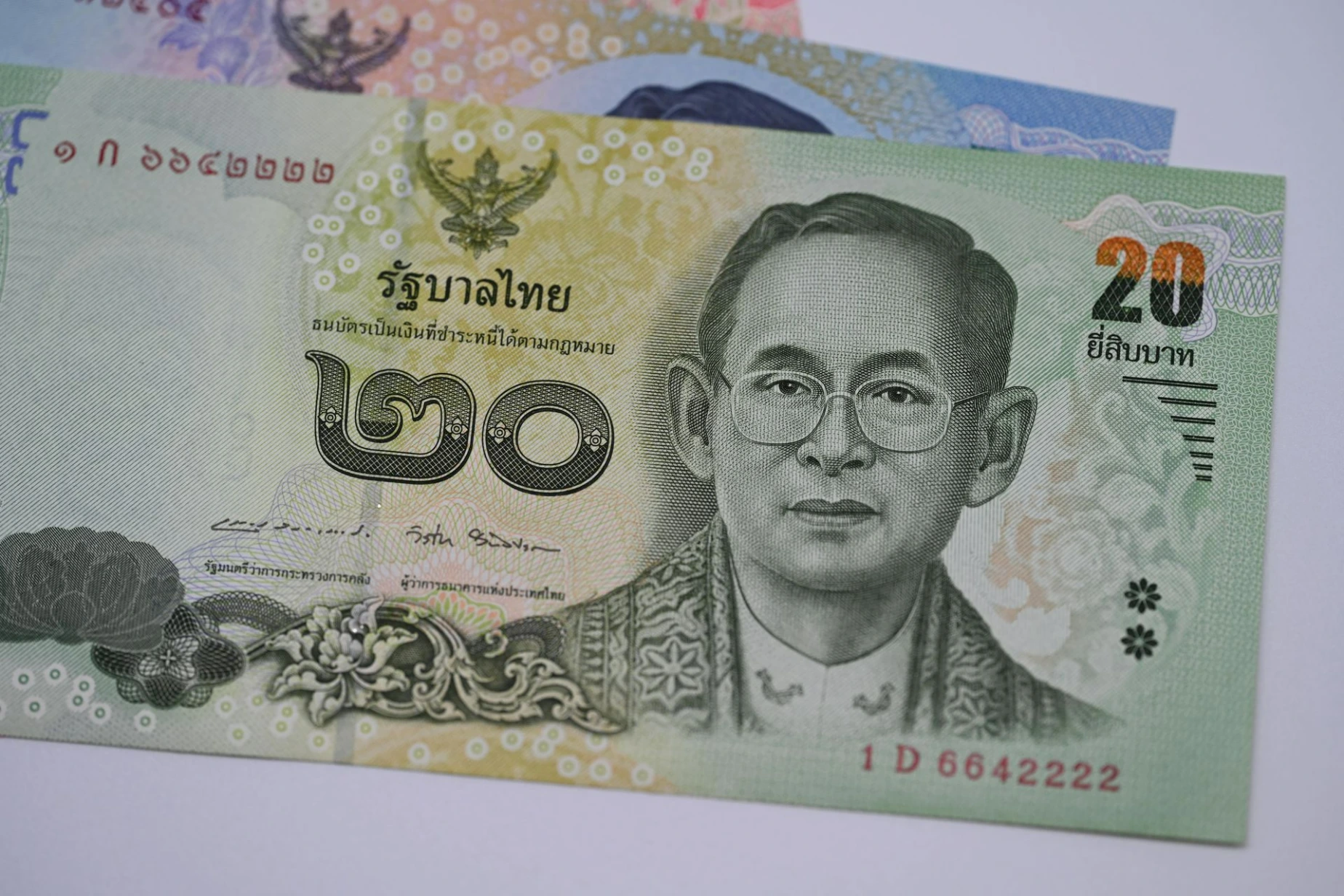
Outside major tourist corridors, Thai baht is the only currency accepted. USD and EUR are occasionally taken at large beach resorts or duty-free counters, but the exchange rate applied is consistently poor.
Carry baht. Always.
Tip 6: ATMs Work, But the Fees Are Standardized and Unavoidable
Thai ATMs charge a foreign transaction fee of 220 THB per withdrawal across virtually all machines, regardless of your home bank's own fee structure. In practice, withdrawing larger amounts less frequently is the simplest way to reduce cumulative cost.
Notify your home bank before departure. Card blocks on international withdrawals are common and consistently happen at the worst possible moment.
Tip 7: Exchange Rates Vary More Than You Would Expect
Airport exchange booths at Suvarnabhumi offer reasonable rates on arrival. Hotel desk exchange is consistently the weakest option available. Superrich Thailand, with branches in Bangkok and at several airports, is widely regarded as one of the strongest sources of rates for cash exchange.
At the same time, never exchange currency at a location recommended by a tuk-tuk driver. That recommendation carries a commission.
Tip 8: Cash Remains Essential Outside Bangkok
Bangkok and Phuket are increasingly cashless-friendly. However, rural areas, local markets, smaller islands, and independent restaurants operate primarily on cash. Carry enough baht to cover at least one full day of expenses, particularly when island-hopping or traveling beyond major urban centers.
Transport: Getting the Decisions Right
Tip 9: Grab Is the Default for Urban Transport
Grab operates across Bangkok, Phuket, Chiang Mai, and most major tourist hubs. It functions identically to Uber: fixed pricing, driver tracking, and in-app payment. For visitors unfamiliar with Thai taxi negotiation, Grab removes all friction and the risk of inflated fares.
Metered taxis are also legitimate. Insist on the meter from the moment you enter the vehicle.
Tip 10: Tuk-Tuks Are Not Cheaper Than Metered Transport
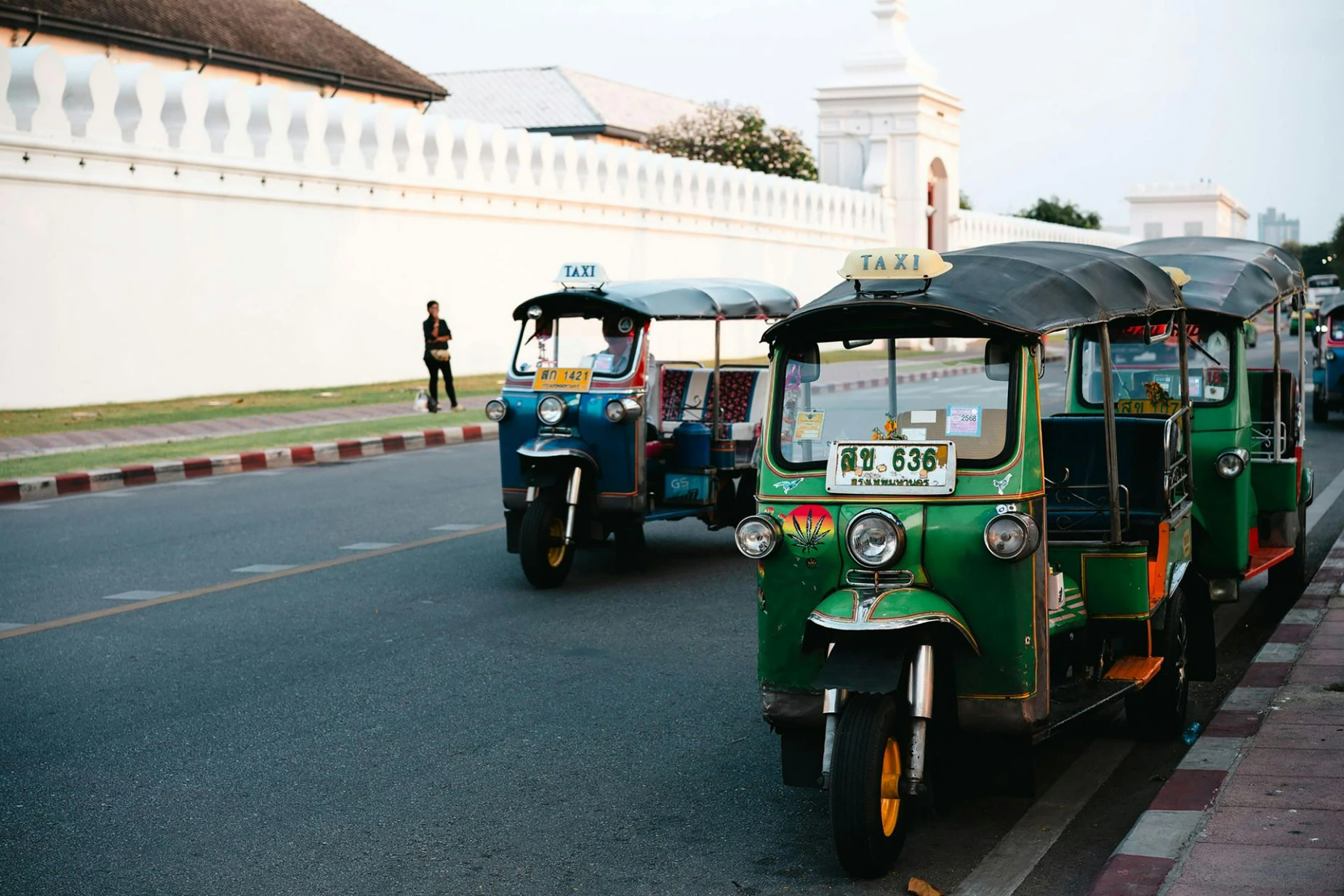
The widely held belief that tuk-tuks are the budget option in Bangkok is incorrect. Tuk-tuks operate on negotiated fares, and the negotiation almost always favors the driver. They are a specific experience worth having once. They are not a practical daily mode of transport.
If a tuk-tuk driver volunteers to take you somewhere cheaply or for free, the route will include a detour through a silk shop, gem store, or travel agency. This is one of the oldest and most persistent scam structures in Bangkok.
Tip 11: Inter-City Transport Requires Advance Planning in Peak Season
Train and bus tickets between Bangkok, Chiang Mai, and southern destinations sell out during Thai public holidays and the November to February peak window. Book intercity transport at least one week in advance. For the Bangkok-to-Chiang Mai overnight train, two weeks is more realistic during high season.
For airport arrivals and inter-hotel transfers, review the complete breakdown of Thailand airport transfer options before making any booking decisions.
Tip 12: Renting a Scooter Requires Honest Self-Assessment
Scooter rentals are available across Thailand and are used by millions of travelers without incident. At the same time, they are involved in the majority of tourist injury incidents nationwide. Thai roads, particularly in Phuket and Koh Samui, operate differently from traffic environments most Western visitors are accustomed to.
If you have not ridden a scooter in active traffic, Thailand is not the place to begin. If you are experienced and confident, rent from a reputable operator, review the insurance terms carefully, and wear a helmet regardless of what you observe around you.
Tip 13: Domestic Flights Are Cheap and Frequently the Correct Answer
AirAsia, Nok Air, and Bangkok Airways operate dense domestic networks. A Bangkok-to-Phuket flight costs between 800 and 2,500 THB, depending on advance booking, and takes 1.5 hours, versus 12 hours by road. For any itinerary that combines Bangkok with southern destinations, the flight is almost always the right choice.
Book directly through airline websites rather than third-party aggregators to simplify any changes or disruption management.
If your itinerary spans Bangkok, the Andaman coast, and multiple inter-regional transfers, routing errors compound quickly. A misaligned flight, a missed tide window, or a poorly timed island transfer can eliminate an entire day. Reviewing your route structure before confirming bookings prevents these mismatches from becoming expensive problems. The Thailand airport transfer guide covers every major transfer corridor, including timing and cost estimates.
Scams, Safety, and Situational Awareness
Tip 14: The Grand Palace "Closed Today" Scam Has Operated for Decades
If someone near Wat Phra Kaew or the Grand Palace tells you it is closed for a special ceremony, a Buddhist holiday, or a royal event, and then offers to take you somewhere else first, this is a coordinated misdirection. In practice, the palace is almost never closed during published opening hours.
Verify hours independently at the gate or through official government sources before adjusting your plans.
Tip 15: Gem Scams Follow a Recognizable Pattern
A well-dressed stranger strikes up a genuine-seeming conversation near a temple. They mention a government gem sale happening only today. The discount is significant. The opportunity is rare.
None of this is accurate. Thailand's gem scam infrastructure is sophisticated, long-established, and has been documented by every major travel authority for over 30 years. The only correct response is polite disengagement.
Tip 16: Jet Ski Damage Claims Are a Known Risk in Phuket
Certain jet ski operators in Phuket have a documented history of claiming pre-existing damage was caused by the renter and demanding cash payment before departure from the beach. Photograph the jet ski comprehensively before entering the water. Rent only from operators with clearly visible licensing.
This is a manageable risk, not a reason to avoid jet skiing. It simply requires documentation beforehand.
Tip 17: Drink Spiking Occurs and Follows Specific Patterns
Drink-spiking incidents are concentrated in nightlife districts, primarily on Koh Phi Phi, in Koh Samui's Chaweng Beach area, and around Khao San Road in Bangkok. The risk increases significantly when accepting drinks from strangers or purchasing from unlicensed street vendors.
This risk is avoidable with standard awareness: stay with your group, use known venues, and do not leave drinks unattended. For a full breakdown of Bangkok's established nightlife landscape, the Bangkok nightlife district guide provides venue-level guidance by area.
Cultural Etiquette: What Actually Matters

Tip 18: Temple Dress Codes Are Non-Negotiable and Enforced
Shoulders and knees must be covered to enter any Buddhist temple in Thailand. This applies to all genders. Many temples offer sarong rentals at the entrance for travelers who arrive underprepared.
Shoes are removed before entering any temple building. This is not a suggestion.
Tip 19: The Monarchy Requires Respect, Not Just Awareness
Thailand's lese-majeste laws carry sentences of up to 15 years per count for insulting the monarchy. Foreign nationals have been prosecuted. As a result, avoid any commentary about the royal family in any setting, including informal conversations.
Tip 20: The Wai Is the Correct Greeting
The wai, a slight bow with palms pressed together at chest height, is the standard Thai greeting. Initiating a wai toward Thai people is appreciated and appropriate. Returning a wai when offered is expected.
Physical greetings, including handshakes, are understood in business contexts but are not part of Thai cultural norms. Do not initiate physical contact with monks under any circumstances. Women should not hand objects directly to monks.
Tip 21: Head and Feet Carry Specific Cultural Significance
The head is considered the most sacred part of the body. Touching anyone's head, including a child's, without invitation, is considered disrespectful. The feet are considered the least sacred. Pointing feet toward a person, a Buddha image, or a sacred object is offensive.
This applies in temples, in homes, and when sitting on the floor in any context.
Tip 22: Bargaining Is Appropriate in Markets, Not in Restaurants
Bargaining is expected and welcomed in open-air markets. However, it is not appropriate in restaurants, convenience stores, fixed-price shops, or taxi meters. Attempting to negotiate a meal price will create confusion. It will not produce a discount.
Practical Logistics That Most Guides Skip
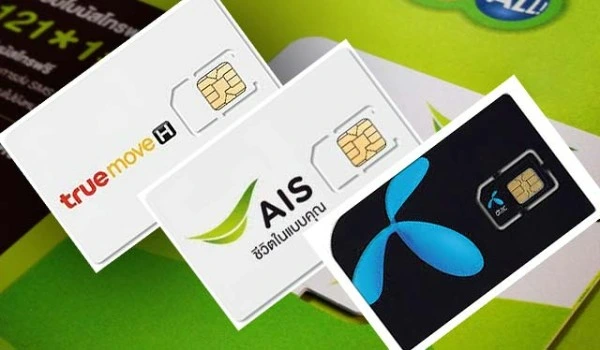
Tip 23: Get a Local SIM Card at the Airport, Not Later
dtac, AIS, and True Move all operate counters in the arrivals hall at Suvarnabhumi, Don Mueang, Phuket International, and Chiang Mai International. SIM cards with 15 to 30 days of data cost between 200 and 600 THB. This is the highest-return logistics decision available in the first ten minutes after clearing customs.
Relying on hotel Wi-Fi for navigation and on Grab creates avoidable daily friction throughout the entire trip.
Tip 24: Tap Water Is Not Safe Anywhere in Thailand
This applies in five-star hotels, private villas, and rural guesthouses alike. Drink bottled or purified water throughout. Ice in reputable restaurants is made from purified water. Ice from street vendors may not be.
Tip 25: Thailand's Seasons Affect Different Coasts Differently
This is the planning error that causes the most disappointment.
The Andaman coast (Phuket, Krabi, Koh Lanta, Phang Nga Bay) experiences its monsoon season from approximately May to October. Seas can be rough, certain islands become inaccessible, and boat tours may be suspended. However, the Gulf coast (Koh Samui, Koh Phangan, Koh Tao) follows an almost inverse pattern, with its wetter period running from October to December.
If your itinerary crosses both coasts, ideal conditions are rarely present on both sides simultaneously.
For Andaman coast timing, routing, and access planning, the Southern Thailand Andaman Coast Travel Guide covers seasonal windows, transfer logistics, and destination sequencing in full.
Who These Thailand Travel Tips Are Not For
This guide is structured for first-time visitors and returning travelers, refining the operational side of their planning.
If you have spent significant time across Southeast Asia, several points here will be familiar. The cultural etiquette sections, scam patterns, and seasonal variation notes tend to provide value even to experienced regional travelers. The basic logistics sections are fewer.
If you are traveling to Thailand primarily for nightlife or festival-centered experiences, the Songkran Festival planning guide and the Bangkok nightlife district breakdown are better starting points for that specific trip.
Suggested Itinerary Framework: Where These Tips Apply in Practice
| Days | Location | Key Considerations |
|---|---|---|
| Days 1 to 3 | Bangkok | SIM card on arrival, Grab for all city transport, temple dress codes, and Grand Palace scam awareness |
| Transfer day | Bangkok to Phuket | Domestic flight booked in advance, private airport transfer confirmed |
| Days 4 to 6 | Phuket (Surin or Kamala area) | Jet ski documentation, beach club access, Phang Nga Bay charter timing |
| Days 7 to 9 | Krabi or Phang Nga Bay | Boat logistics, monsoon window confirmation, and Railay Beach tidal access |
| Optional extension | Koh Samui or the Gulf islands | Separate monsoon calendar applies; requires independent planning |
For Phang Nga Bay access, charter timing, and private routing, see how to visit Phang Nga Bay without the crowds before confirming any island-day arrangements.
Planning Your Thailand Trip
If your itinerary spans Bangkok, the Andaman coast, and multiple transfers, planning errors tend to appear in routing, timing, and access rather than destination choice. Most avoidable problems are structural, not situational.
Use the following resources to build the operational layer correctly before confirming bookings:
- Airport transfer decisions and routing corridors: Thailand airport transfer options guide
- Andaman coast sequencing and seasonal timing: Southern Thailand Andaman Coast Travel Guide
- Private access options for beaches and island experiences: private boat tours in Phuket planning guide
For the beach selection decision at the luxury tier, the complete Phuket beach guide by traveler type narrows the options based on privacy requirements, access logistics, and seasonal reliability.
Plan your luxury Thailand trip with precision. Connect with Southeast Asia Simplified for private itinerary coordination, transfer logistics, and access structure across Bangkok, Phuket, Krabi, and beyond: southeastasiasimplified.com/contact-us
Conclusion
These Thailand travel tips are not about seeing more places. They are about making the same places work properly. Visa clarity, currency discipline, transport decisions, cultural respect, and seasonal awareness are not advanced knowledge. They are the baseline for a trip that executes as planned rather than one that improvises through avoidable problems.
The travelers who get the most out of Thailand are not the ones who arrive with the longest itinerary. They are the ones who understand how the country operates before they land. As a result, every decision they make, from the first transfer to the final beach day, fits within a structure that was designed to hold.
Thailand was never hidden. Only the way you arrive decides what it reveals.
Frequently Asked Questions: Thailand Travel Tips
What are the most important Thailand travel tips for first-time visitors?
The most important Thailand travel tips for first-time visitors are: confirm your visa type before booking flights, carry Thai baht as your primary currency, use Grab for all city transport, cover shoulders and knees before entering temples, and plan your itinerary around the fact that the Andaman and Gulf coasts follow different monsoon seasons. Getting these five points right prevents most avoidable planning errors.
Do I need a visa to visit Thailand in 2026?
Most Western passport holders qualify for a visa exemption or visa on arrival, allowing stays of 30 to 60 days. The specific allowance depends on nationality and entry point. Confirm your eligibility with the Tourism Authority of Thailand before travel, as rules have been updated in recent years and vary by passport.
Is Thailand safe for solo travelers?
Yes. Thailand is broadly safe for solo travelers, including solo female travelers, when standard situational awareness is applied. The most common risks are opportunistic scams rather than physical safety threats. Staying in known accommodation, using Grab rather than unmarked taxis, and avoiding drinks from strangers covers most avoidable risks. Areas requiring heightened awareness are dense nightlife zones on popular islands and the immediate surroundings of major tourist sites in Bangkok.
What is the best time of year to visit Thailand?
The best time to visit depends on which region you are prioritizing. November to April offers the most reliable conditions on the Andaman coast, including Phuket, Krabi, and Phang Nga Bay. The Gulf Coast is generally best from February to September. Bangkok is manageable year-round, though March to May brings intense heat and humidity. Visiting Thailand during the monsoon season is possible but requires adjusted expectations and careful destination selection.
Are Thailand travel tips different for luxury travelers?
The foundational Thailand travel tips covering visas, currency, cultural etiquette, and transport apply to all travelers regardless of budget tier. What changes at the luxury level is access structure, not basic entry requirements. Private transfers remove day-to-day transport decisions entirely. Charter boats replace group tours and expand what is physically possible in a day on the Andaman coast. See the luxury Thailand travel experiences guide for destination-level guidance at the premium tier.
How much cash should I carry in Thailand?
Carry at least 2,000 to 3,000 THB (approximately 55 to 85 USD) in cash at all times for day-to-day travel outside Bangkok and Phuket. On smaller islands or in rural areas, increase this buffer significantly. ATM access on remote islands can be limited, and machines occasionally run out of notes during public holiday weekends.