
Krabi is a coastal province on the Andaman Sea, and the distinction matters before you plan anything. It is not a beach. It is a geography: a mainland coast, boat-access peninsulas, offshore islands, interior parks, and a reef system that extends south toward Koh Lanta and the Trang Islands.
Which things to do in Krabi are worth your time depends entirely on three decisions: where you base yourself, what season you arrive in, and how much logistical friction you are willing to manage. Get those right, and the itinerary builds itself. Get them wrong, and the destination underdelivers, through no fault of its own.
What follows resolves each of them.
Best Things to Do in Krabi: The Direct Answer
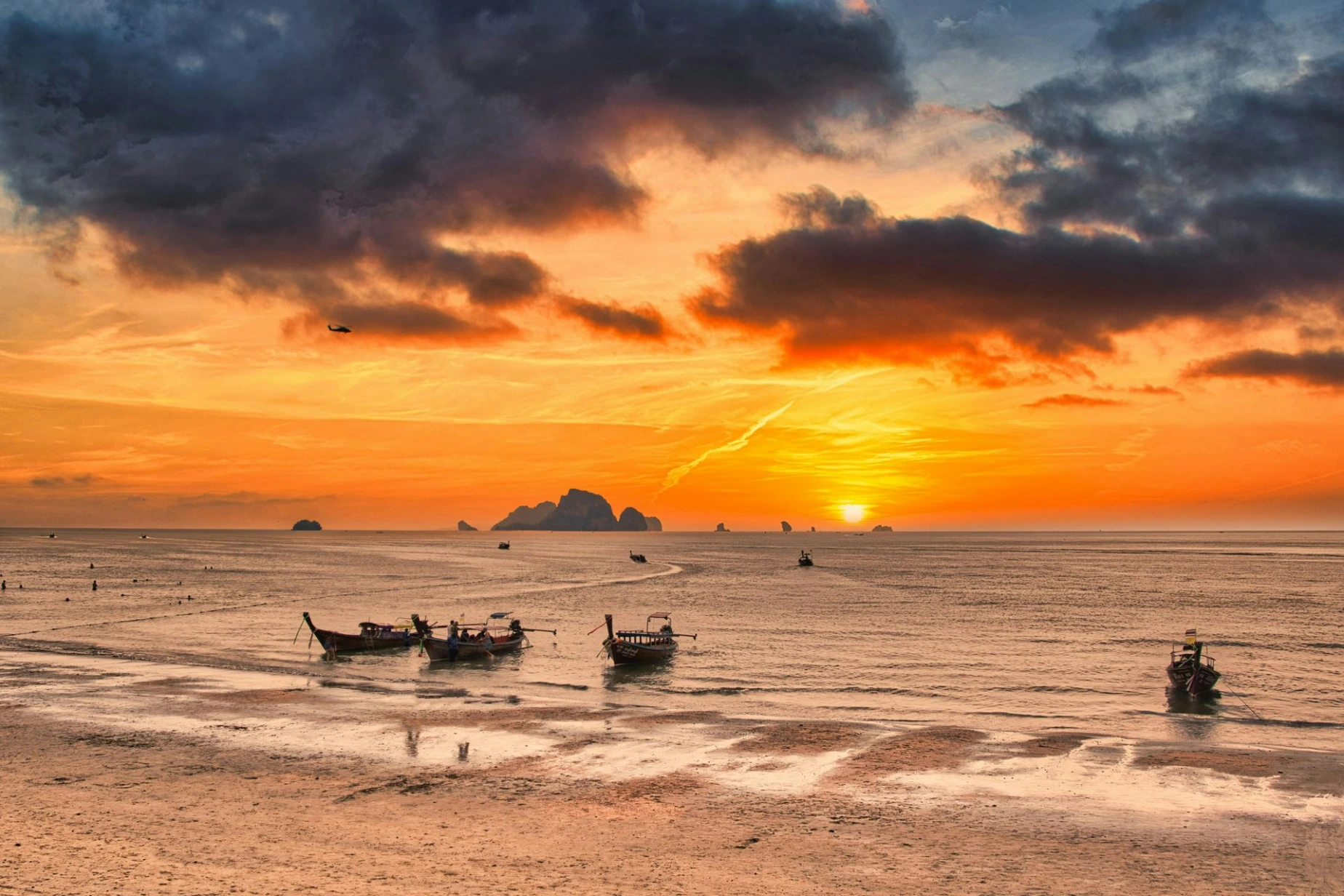
The best things to do in Krabi are: visiting Railay Beach and Phra Nang Cave Beach, taking a private charter to Phang Nga Bay or the Four Islands, climbing Tiger Cave Temple at sunrise, sea kayaking through the Bor Thor mangroves, snorkeling at Koh Lanta or the Phi Phi Islands, and rock climbing the limestone cliffs at Railay East. For luxury travelers, the single highest-value experience is a private speedboat charter that combines Phang Nga Bay's karst formations with a quiet beach landing, entirely off the group-tour circuit.
Quick Picks: Best Things to Do in Krabi by Traveler Type
- Best for scenery with no logistics: Railay West Beach via longtail from Ao Nang pier
- Best half-day activity from Ao Nang: Tiger Cave Temple at sunrise
- Best full-day experience: Private charter to the Four Islands or Phang Nga Bay
- Best for snorkeling and marine life: Koh Lanta day trip via speedboat
- Best for adventure: Rock climbing at Railay East or Ton Sai
- Best for couples seeking privacy: Phra Nang Beach cave, accessible only on foot from Railay
- Best day trip from Krabi: Phi Phi Islands by private speedboat
- Best for first-time visitors: Ao Nang beach walk combined with a sunset longtail to Railay
- Best for luxury travelers prioritizing experience over convenience: Private kayaking through Bor Thor mangroves or a charter into southern Phang Nga Bay
Decision Shortcut
- Choose Railay as your base if scenery, walking access to multiple beaches, and low crowd density matter more than convenience and dining variety.
- Choose Ao Nang as your base if you want pier access for day trips, a range of restaurants, and easier logistics for arriving and departing with luggage.
Ao Nang is a staging point. Railay is a destination.
At a Glance: Krabi's Main Experience Zones
| Zone | Access | Best For | Limitation |
|---|---|---|---|
| Railay Beach | Longtail from Ao Nang or Krabi Town pier | Scenery, privacy, and rock climbing | No road access, luggage logistics |
| Ao Nang | Road | Base for dining, pier access, transfers | Not a swimming beach |
| Phang Nga Bay (south) | Speedboat or longtail charter | Dramatic karst, sea caves, and calm water | Crowds on group tours; go private |
| Four Islands | Day charter from Ao Nang or Railay | Snorkeling, varied beaches | Exposed on some crossings |
| Koh Lanta | Speedboat or ferry | Beaches, diving, relaxed pace | 1.5 to 2 hours from Krabi Town |
| Tiger Cave Temple | Road, 1,237 steps | Panoramic viewpoint | Physically demanding, best before 8 am |
| Bor Thor Mangroves | Road then kayak | Quiet nature, no crowds | No beach; nature-only experience |
1. Railay Beach: The Krabi Experience Most Travelers Are Actually Looking For
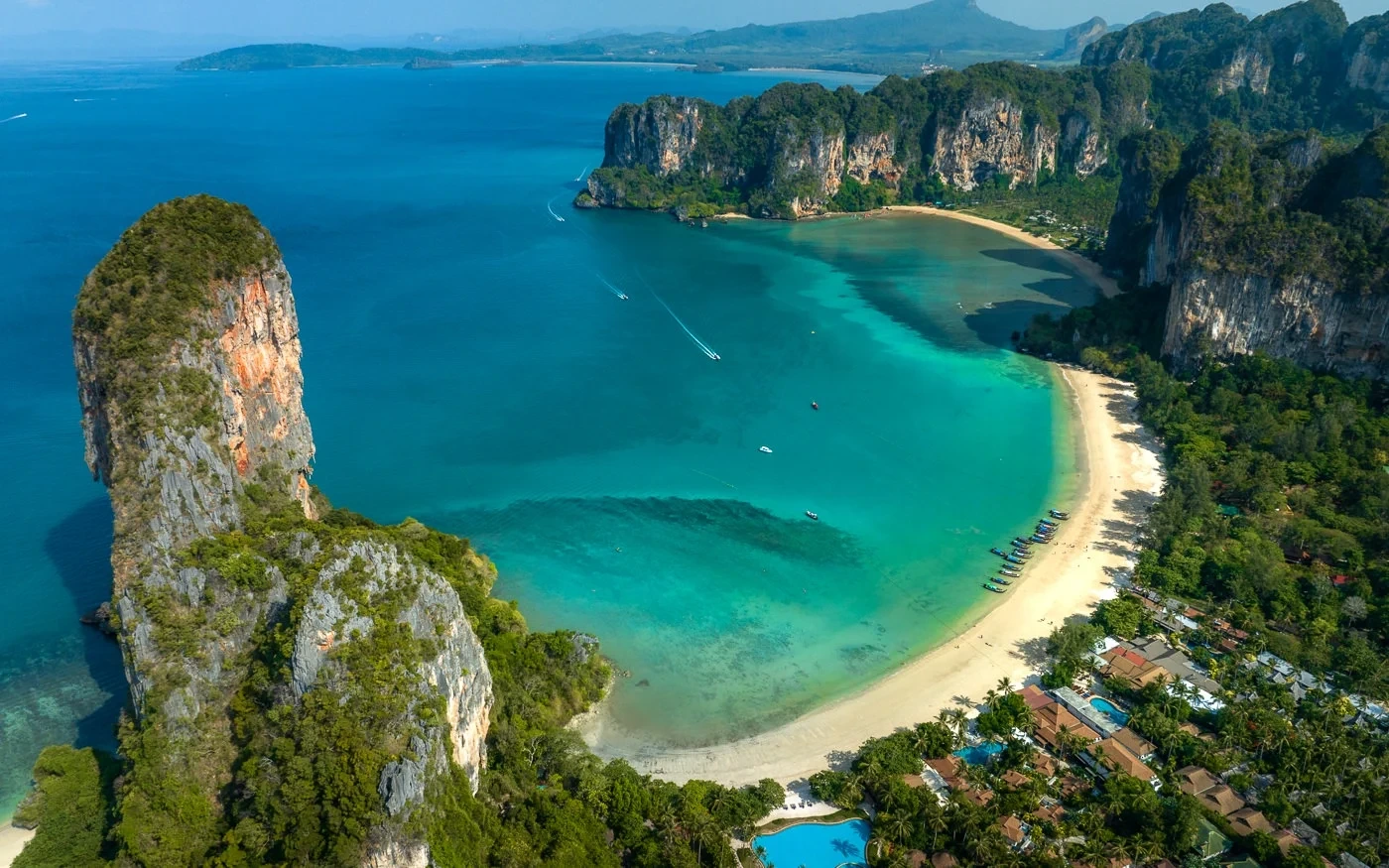
Railay Beach is not a beach. It is a peninsula, cut off from the mainland by karst cliffs that make road access impossible. You reach it by longtail boat from Ao Nang Pier (approximately 15 minutes, roughly 100 THB per person on shared boats) or from Krabi Town Pier via a longer crossing.
That boat ride is the filter. Most of Krabi's crowd volume stays in Ao Nang. Railay's geography ensures a lower population density than any road-access beach in the province.
Railay West is where you swim and where the sunset happens. The beach is wide, the water is calm on the west-facing side, and the karst backdrop makes it one of the strongest beach settings visually in southern Thailand. It is busiest between 11 am and 3 pm when day-trippers arrive from Ao Nang.
Railay East is a mangrove-lined bay facing east. It is not a swimming beach. It serves as the boarding point for longtail departures and the access corridor to the rock-climbing routes above.
Phra Nang Cave Beach sits at the southern tip of the peninsula, accessible only on foot from Railay West via a ten-minute path. It is widely considered the most visually complete beach in Krabi. The cave itself contains a Hindu shrine that fishermen have maintained for generations.
The beach faces southeast and catches light differently from Railay West, making it the stronger option for mid-morning visits and for travelers who want relative quiet. No accommodation sits directly on Phra Nang. Access is on foot or by longtail from the sea.
Before committing to Ao Nang versus Railay as your base, read through the full destination comparison in the Phuket vs Krabi vs Koh Samui guide to understand how Krabi's access structure compares to the rest of the Andaman luxury circuit.
Where this fits in your trip: Ao Nang pier (15-minute longtail) to Railay West to Phra Nang on foot
2. Tiger Cave Temple: The Viewpoint That Earns Its Reward
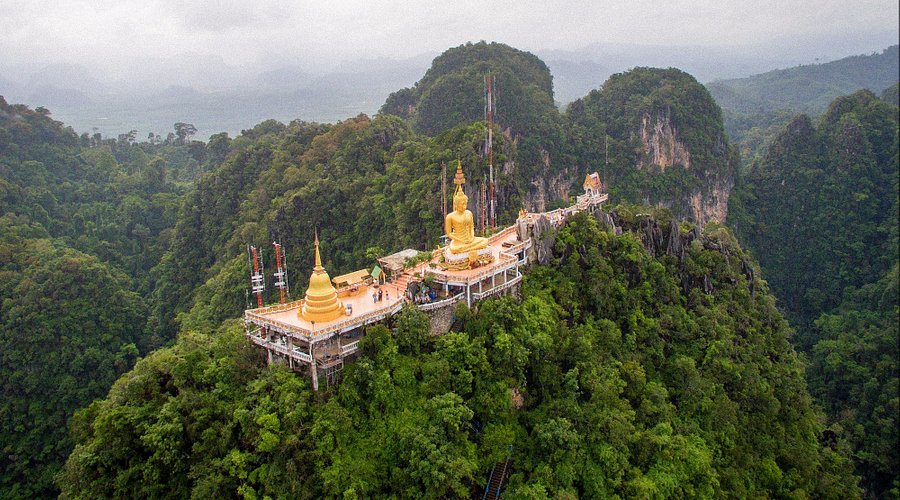
Tiger Cave Temple (Wat Tham Sua) is approximately 8 kilometers from Krabi Town and is accessible by road. The temple complex at the base is worth a brief visit, but most travelers make the journey for the viewpoint summit.
1,237 steps. Steep, concrete, and exposed to direct sun after 8 am.
The summit at 278 meters delivers a 360-degree view across Krabi's mangrove coastline, the offshore islands, and, on clear mornings, the karst towers of Phang Nga Bay to the north.
Arrive before 7 am to climb in the shade and reach the top before the tour groups begin their ascent. Wear closed footwear, as the steps are uneven and steep enough that sandals are a liability on the descent. Water is not available at the top, so carry your own.
This is not a strenuous mountain climb, but it is physically demanding. In practice, travelers with significant knee issues should consider the view from the temple grounds at the base, which are genuinely beautiful in their own right. Entry is free. Donations to the temple are appropriate.
Where this fits in your trip: Krabi Town or Ao Nang hotel to Tiger Cave Temple (15 to 20 minutes by road), best positioned as a standalone morning activity before a day charter departure
3. Phang Nga Bay Day Charter: The Experience Most Krabi Travelers Get Wrong
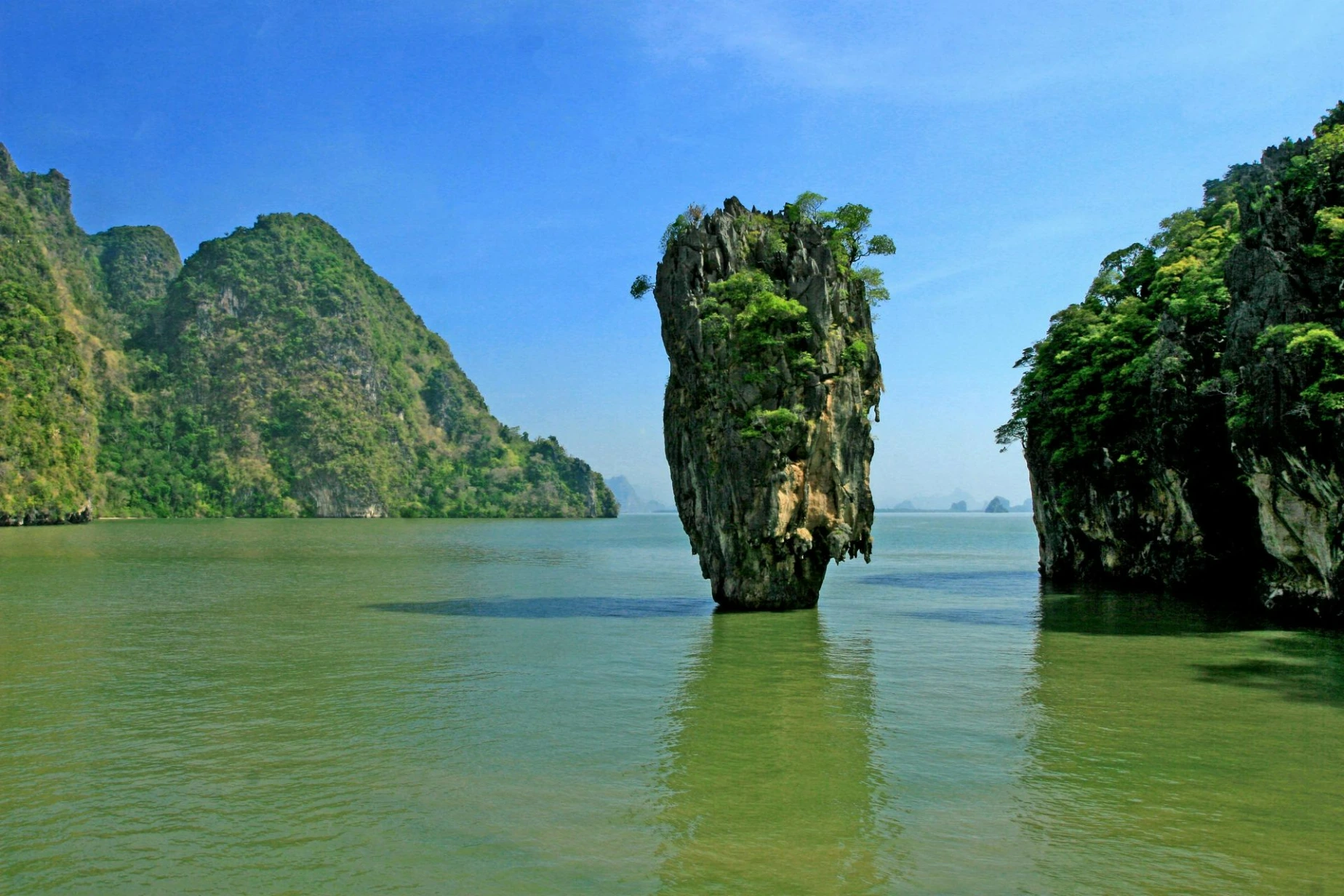
Most travelers access Phang Nga Bay, the sheltered bay of limestone karst islands straddling Krabi and Phang Nga provinces, from Phuket. That is the more established entry point, and Phuket's charter operators are well-developed. However, the southern section of Phang Nga Bay, including the karst formations visible from the Krabi coast and the quieter islands in the bay's lower reaches, is accessible from Krabi by speedboat and reaches a different set of destinations than the standard Phuket route.
The most common mistake travelers make is booking a group day tour. Group boats carry 20 to 40 passengers, follow a fixed route, depart at fixed times, and visit the same anchorages that every other group boat visits on the same day. A group tour of James Bond Island (Khao Phing Kan) in peak season is a crowd-management exercise, not a travel experience.
A private speedboat charter from Ao Nang or Railay allows you to set the departure time, choose the route, and avoid the anchorages at peak occupancy. The same bay, a fundamentally different experience.
For the full charter framework covering departure points, vessel types, and how to structure a private Phang Nga Bay day from the Krabi side, the Phang Nga Bay guide, which covers how to visit without the crowds, is the right starting point before contacting any operator.
Estimated private speedboat charter cost from Ao Nang: 3,500-8,000 THB per boat for a half-day. Full-day routes covering multiple islands run 7,000 to 15,000 THB, depending on the vessel and itinerary. All costs are estimates and vary by operator and season.
If you are planning a private charter route, confirm your boat before locking in your hotel. Availability, not price, is the constraint in Krabi during peak season.
Where this fits in your trip: Ao Nang or Railay pier (early departure, 7 am to 8 am) to Phang Nga Bay karst zone to return by early afternoon
4. The Four Islands: Krabi's Best Snorkeling Day Trip
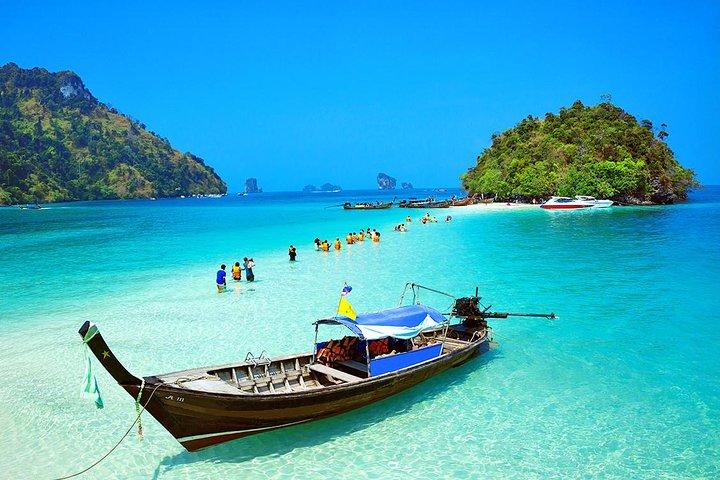
The Four Islands (Koh Mook, Koh Kradan, Koh Ngai, and Koh Chuak) sit south of Ao Nang, Krabi's main mainland resort beach and departure hub, in the Trang Sea, accessible by speedboat or longtail charter. They are technically in Trang province, but the standard departure point for most visitors is Ao Nang or Klong Jilab pier near Krabi Town.
The snorkeling at Koh Chuak is the primary draw. The reef here supports more consistent marine life than many sites closer to Ao Nang, and the water clarity is significantly better than at any site accessible directly from Railay Beach.
Group tours to the Four Islands use large wooden longtail boats that move slowly, making the crossing uncomfortable in any chop. By contrast, a private speedboat cuts the transit time by more than half and lets you control how long you spend on each island.
Koh Mook's Emerald Cave (Tham Morakot) requires swimming through an 80-meter-long dark tunnel at low tide to reach an interior beach. It is impressive once. However, the tunnel fills with swimmers from tour groups during mid-morning peak periods, removing most of its appeal. Arrive before 9 am or after 2 pm for a less crowded experience.
The sea crossing can be rough during transitional months (April to May and October to November). Confirm conditions with your operator before departure.
Most Krabi itineraries fail at the water, not the land.
5. Rock Climbing at Railay: One of the Best Climbing Destinations in Southeast Asia
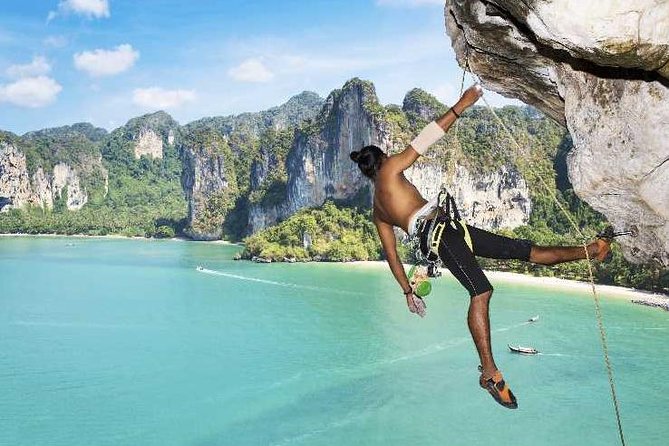
Railay East's limestone karst cliffs are internationally recognized within the sport-climbing community. The sheer face quality, variety of holds, and visual setting make this one of the few climbing destinations in Southeast Asia that attract serious climbers rather than just curious tourists.
Beginners and first-timers are well catered for through half-day introductory sessions run by several operators based in Railay East. Expect to pay approximately 800-1,500 THB per person for a half-day session with equipment and a guide, though costs vary by operator.
The most accessible beginner routes run up the lower cliffs overlooking Railay East Bay. Intermediate and advanced routes extend higher and around the headland toward Ton Sai Beach, which sits on the other side of the cliff system from Railay.
Ton Sai has a more distinct, more informal atmosphere than Railay's resort-anchored character. It is accessible at low tide by walking the rocky shoreline from Railay West, or at any tide by climbing the path that cuts over the headland. It is worth the 20-minute walk for travelers interested in the climbing culture.
6. Sea Kayaking Through the Mangroves: Krabi Without the Crowds
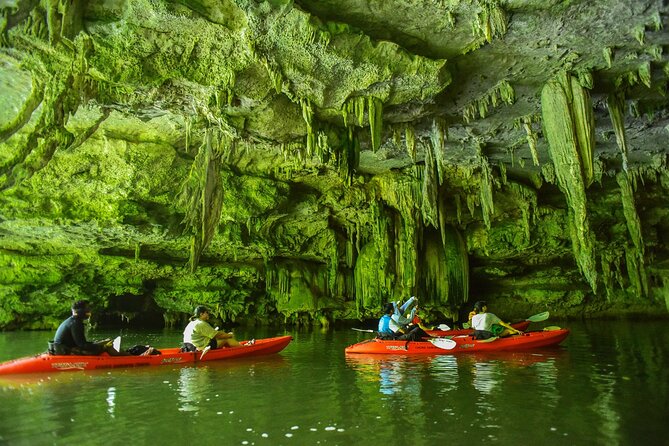
The mangrove waterways around Bor Thor, approximately 45 minutes north of Ao Nang by road, offer a genuinely low-footprint Krabi experience that most beach-focused visitors never experience.
The paddling route passes through enclosed tidal channels, past root systems that filter light and harbor small wildlife. No cliffs, no beaches, no spectacular visual drama. What it offers instead is quiet, physical engagement with the landscape and a near-total absence of other travelers on non-peak days.
Several operators in Ao Nang offer half-day sea kayaking packages that include transport and a guide. Costs run approximately 1,200 to 2,000 THB per person, depending on group size and route. Private kayaking arrangements are available for travelers who prefer not to share the waterway with a group.
This experience suits travelers combining an active morning with an afternoon beach day. It is not appropriate for travelers expecting resort-quality service or high production value.
7. Koh Lanta: The Day Trip That Justifies a Full Stay
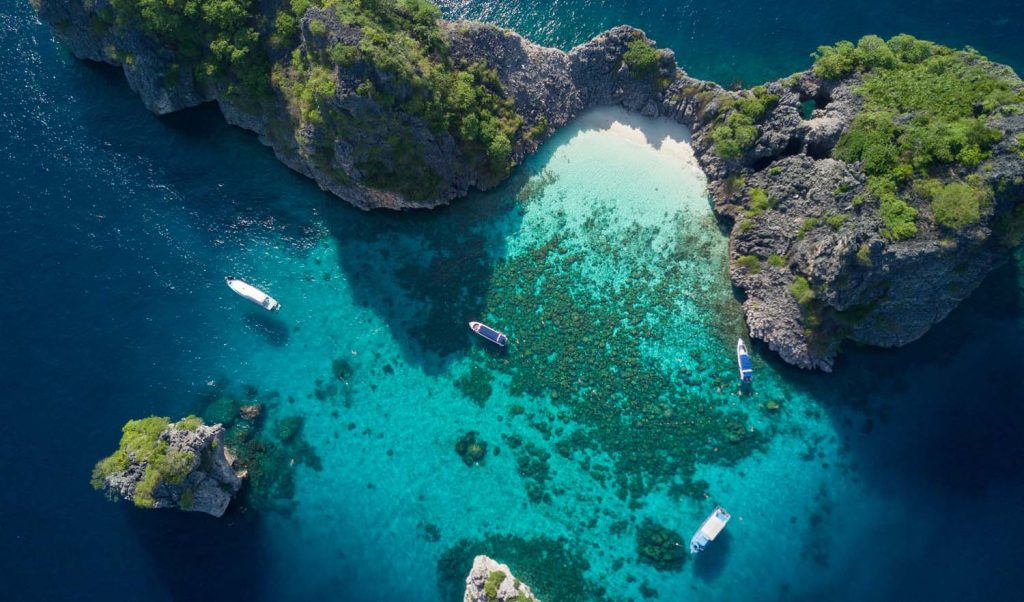
Koh Lanta, a long island in the southern reach of Krabi province, sits approximately 70 kilometers south of Krabi Town. It is accessible by speedboat (45 to 60 minutes from Ao Nang) or by road-and-ferry combination (2 to 2.5 hours via Hua Hin Bridge and the second ferry crossing). The speedboat is the correct choice for day trips. The ferry combination makes more sense for travelers spending multiple nights.
Koh Lanta's west coast beaches offer a markedly different experience from Ao Nang's. Hat Khlong Dao in the north, Hat Phra Ae mid-island, and the quieter southern beaches near the national park all face west into open water. The sand is finer than most Krabi mainland beaches, and visitor volume during the high season is meaningfully lower than at Railay or the more accessible day-trip islands.
The Koh Lanta Marine National Park at the southern tip of the island encompasses some of the best snorkeling and reef diving in the province, accessible by longtail or dive boat from Hat Saladan on the north coast.
For a full comparison of the Krabi coastline and its offshore islands with Phuket's beach zones, the luxury beaches in Phuket and Krabi guide covers each zone by scenery quality, privacy level, and access structure.
Where this fits in your trip: Ao Nang speedboat pier (8 am departure) to Koh Lanta north coast to the marine park, snorkeling, and return by 4 pm
8. Phi Phi Islands from Krabi: The Day Trip Worth Planning Carefully
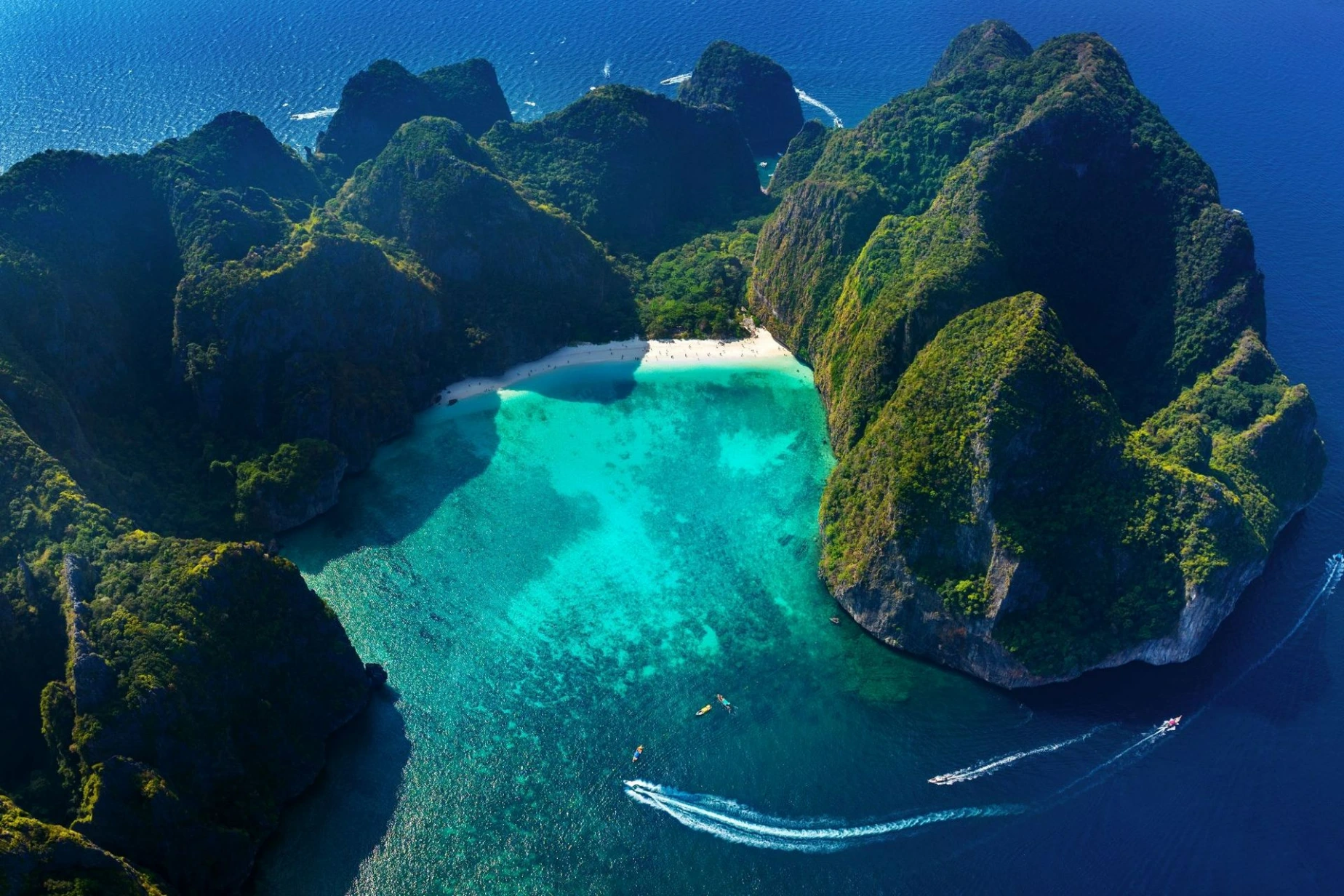
The Phi Phi Islands, a group of six islands between Krabi and Phuket in the Andaman Sea, are accessible from Ao Nang by private speedboat in approximately 45 to 60 minutes, depending on sea conditions and departure point. They are administratively part of Krabi but are geographically closer to the open waters of the Andaman Sea.
Phi Phi Leh is the island most travelers come to see. Maya Bay remains subject to visitor caps, boat restrictions, and periodic closure. Confirm current access conditions with the Department of National Parks before building it into your itinerary, as rules have changed multiple times since the initial 2018 restriction.
Phi Phi Don offers basic-to-mid-range accommodation, a lively nightlife scene, and high visitor density during peak season. As a day trip from Krabi, the islands deliver excellent scenery with manageable logistics. However, as an overnight base, the trade-offs require honest assessment. The Phi Phi Islands experience guide, covering what to do and what to skip, covers that assessment in full.
A private speedboat charter to Phi Phi from Ao Nang costs approximately 5,000 to 12,000 THB per boat, depending on vessel type and route duration. Shared speedboat transfers run approximately 900 to 1,500 THB per person return, departing on fixed schedules from multiple operators along Ao Nang beach road.
9. Ao Nang Beach Walk and Sunset: The Experience That Requires No Planning
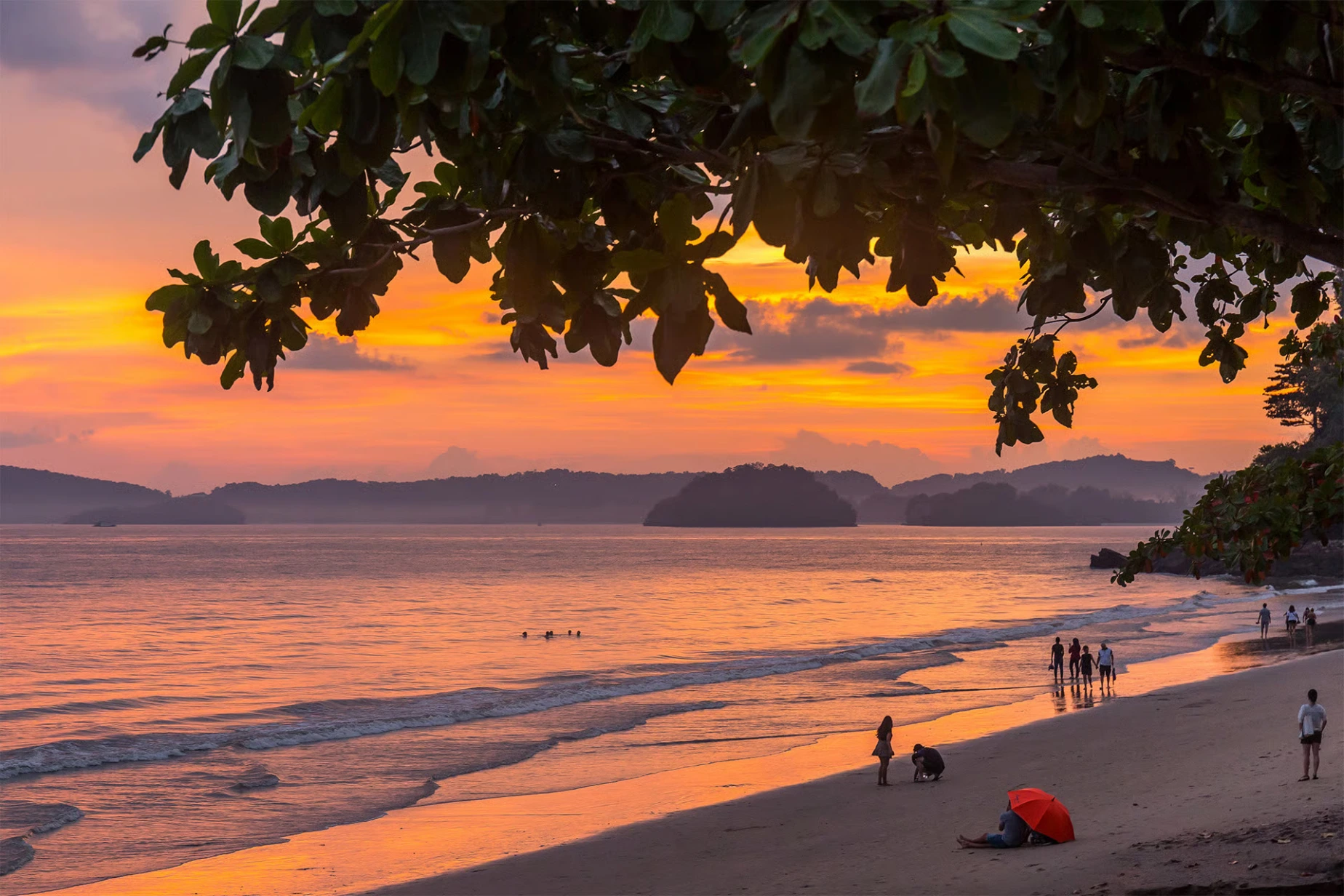
Ao Nang is where most travelers base themselves. The beach is not the reason to stay there. The reason is access: Ao Nang's pier connects to Railay, the Four Islands, and the charter boat network. The beach itself is a working bay with constant movement of longtails and speedboats, and swimming is not the primary draw.
What Ao Nang does well is the late-afternoon and early-evening stretch. From approximately 4 pm, the light on the limestone cliffs behind the bay softens, the restaurants along the beach road pick up, and the pier empties as day-trip boats return. Walking the 1.5-kilometer beach promenade from Nopparat Thara Beach in the north to the main pier in the south takes approximately 30 minutes at a relaxed pace.
Nopparat Thara Beach, the western extension of Ao Nang, is quieter and wider. It is part of Hat Nopparat Thara-Mu Koh Phi Phi National Park and sees significantly less boat traffic than the main Ao Nang bay. At low tide, the sand extends several hundred meters out, and the views across to the karst islands are among the more relaxed Krabi experiences available without leaving the mainland.
10. Krabi Town: The Local Infrastructure Most Tourists Miss
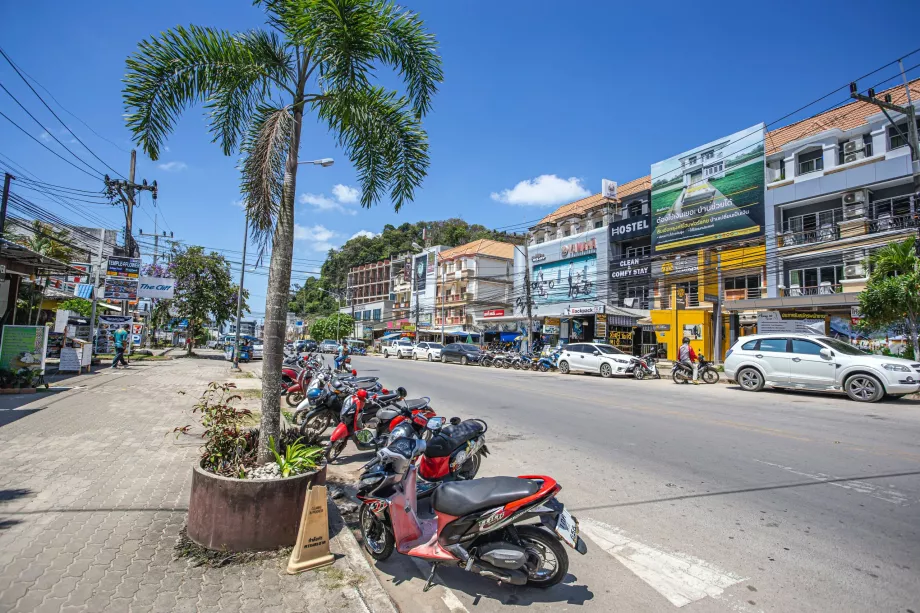
Krabi Town sits approximately 5 kilometers inland from Ao Nang, on the estuary of the Krabi River. Most travelers pass through it only when arriving or departing. However, Krabi Town offers two things that Ao Nang does not: a functioning local market and a pier with access to ferry routes that the Ao Nang pier does not serve.
The night market on Soi Maharaj, operating Thursday through Sunday evenings, is the most credible food market in the province. The walking street draws a genuine local crowd rather than a tourist-optimized one, and street food costs are a fraction of those on Ao Nang beach road.
The Krabi Town pier is the departure point for the Koh Lipe ferry route and some Koh Phi Phi services. It is also where the slow boat to Koh Lanta departs for travelers who prefer the scenic river crossing over the road-and-bridge combination.
Where this fits in your trip: Krabi Town is best positioned as a half-evening addition to a rest day, rather than a standalone day trip.
11. Snorkeling and Diving: Where the Water Actually Delivers
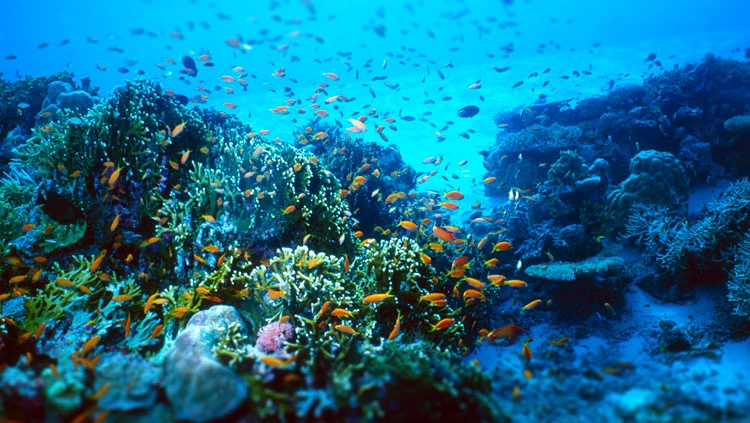
Krabi's mainland coast and the water immediately surrounding Railay are not the best snorkeling zones in the province. Visibility near the karst cliffs can be reduced by runoff, and reef systems at that depth are modest.
The best snorkeling accessible from a Krabi base is found at:
- Koh Chuak (Four Islands day trip)
- Koh Lanta Marine National Park (south tip of Koh Lanta)
- Koh Phi Phi Leh (around the eastern cliffs of the island, away from Maya Bay)
- Hin Daeng and Hin Muang (advanced dive sites, 1.5 to 2 hours south of Koh Lanta by liveaboard or dive boat)
For travelers whose primary interest is the underwater world rather than the surface, the Krabi base works well as a second stop with Koh Lanta. Hin Daeng and Hin Muang are two of the most consistently rated dive sites in the Andaman Sea and are accessible only through Koh Lanta's dive operators.
Diving infrastructure in Krabi Town and Ao Nang is functional but less developed than that of Koh Lanta. Travelers planning more than two dives during their stay should consider Koh Lanta as a dedicated dive base rather than Ao Nang.
12. Private Longtail Sunset Charter: The Single Cheapest High-Value Experience in Krabi
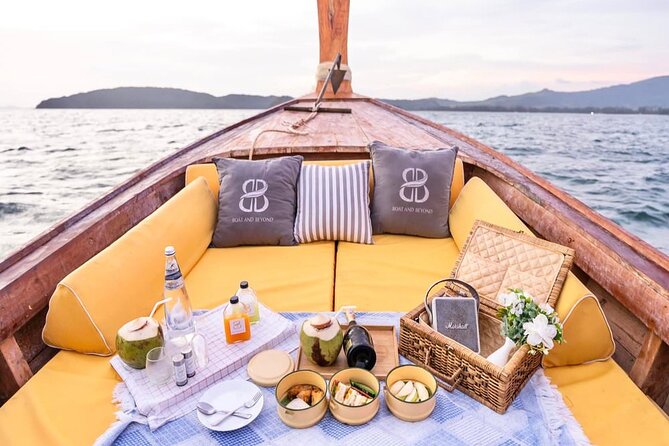
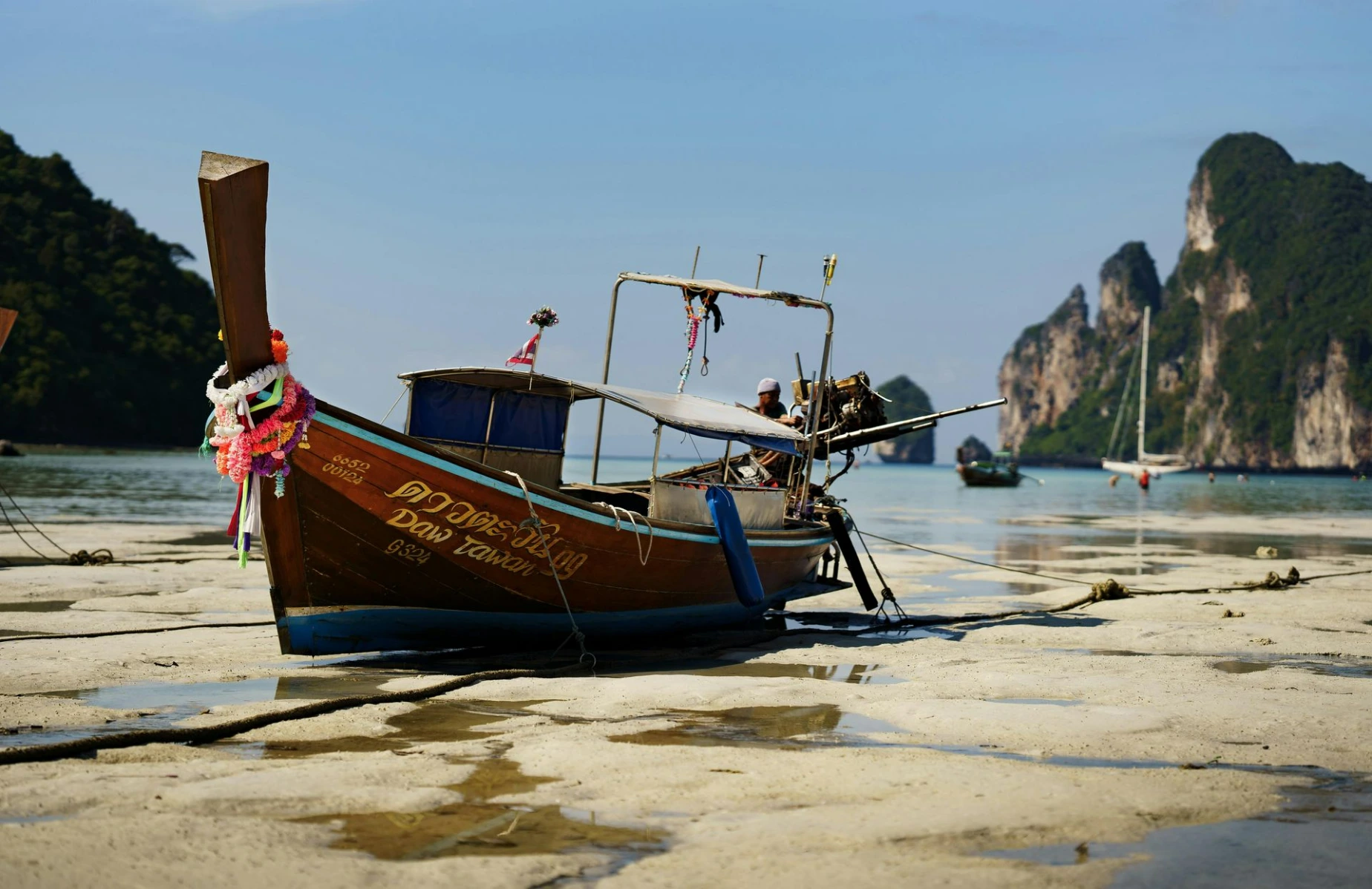
A private longtail charter at sunset costs approximately 1,500-2,500 THB for two hours from Ao Nang pier. The boat, typically a traditional wooden longtail with a single diesel engine, takes you off the beach road, into the bay, and around the nearby karst islands at the precise point in the day when the light is at its most optically favorable.
This is not a structured tour, and there is no commentary. You tell the driver where you want to go, how long you want to spend, and when to return.
The boat is yours. For the cost of a mid-range meal, it offers one of the cleanest expressions of what Krabi's geography has to offer. The light at 5 pm on the limestone towers, as seen from the water, is measurably different from anything you see standing on the beach.
Ideal Itinerary: 5 Nights in Krabi
| Days | Location | Key Experiences |
|---|---|---|
| Day 1 | Ao Nang arrival | Settle in, Ao Nang beach walk at sunset, longtail sunset charter from the pier |
| Day 2 | Railay | Morning longtail to Railay West, Phra Nang Cave Beach on foot, afternoon at Railay West, optional rock climbing intro session at Railay East, return by evening longtail |
| Day 3 | Phang Nga Bay or Four Islands | Private speedboat charter, depart 7:30 am, return by 2 pm, Tiger Cave Temple at 4 pm, early dinner in Ao Nang |
| Day 4 | Koh Lanta | Speedboat departure 8 am, west coast beaches and marine park snorkeling, return by 4 pm |
| Day 5 | Krabi Town and mangroves | Morning kayaking at Bor Thor, afternoon Krabi Town night market (Thursday to Sunday), or rest day |
Booking notes: Railay accommodation at Rayavadee fills 90 to 120 days in advance during peak season (December to February). Confirm private speedboat charters before finalizing your activity sequence. Tiger Cave Temple is best visited before 8 am to avoid the heat and overlap with day tours.
Planning Help: Structuring a Krabi Itinerary
If you are building a Krabi itinerary that connects to Phuket or involves a private speedboat charter circuit, the transfer structure deserves as much attention as the activity planning.
The Phuket to Krabi private transfer guide covers speedboat, van, helicopter, and flight options in both directions, including timing, cost estimates, and departure-pier logistics. Confirm your transfer method before booking accommodation on either end, as your pier location affects which beaches and experiences are most practical to reach.
For the broader Andaman context, the Southern Thailand Andaman Coast travel guide, covering Phuket, Krabi, and Phang Nga, provides the routing and seasonal framework that makes individual destination guides more actionable.
If you are serious about structuring a private Krabi itinerary, confirm your charter, key accommodation, and inter-destination transfers before booking any flights. Those three elements have the most constrained availability. Everything else fits around them.
Who This Is Not For: Setting Honest Expectations About Krabi
Krabi is not the right choice if you need everything to be easy.
Choosing Railay and expecting seamless luggage handling will produce friction. Every bag you bring to Railay is carried by longtail boat, loaded and unloaded by hand. Heavy or oversized luggage is manageable but never comfortable on that crossing.
Choosing Krabi and expecting Phuket-scale luxury density will produce disappointment. The number of five-star properties in Krabi is limited. Rayavadee at Railay is the definitive luxury option. Beyond that, the choices are boutique or mid-range, except for a small number of high-spec villa rentals. Travelers who need a deep luxury property menu should base themselves in Phuket and treat Krabi as a day charter or a two-night extension.
Choosing Ao Nang as a beach destination rather than a logistical base sets the wrong expectations. Ao Nang Beach is a working pier bay. The beaches are at Railay, Nopparat Thara, and the offshore islands.
Choosing to visit Krabi from May through October without first checking conditions is a planning risk. The southwest monsoon affects the Andaman coast from May onward, with June through September representing the most variable period. Some boat services are suspended, and sea conditions on the open crossings to the Four Islands and Phi Phi can be rough. The karst landscape in the low season can be genuinely dramatic and crowd-free, but it requires weather awareness that the high-season itinerary does not.
Things to Do in Krabi: Frequently Asked Questions
What are the best things to do in Krabi for first-time visitors?
The best things to do in Krabi for first-time visitors are: visiting Railay Beach via longtail from Ao Nang, taking a private or small-group speedboat charter to Phang Nga Bay or the Four Islands, climbing Tiger Cave Temple before 8 am for the panoramic view, and taking a sunset longtail charter from Ao Nang pier. These four experiences cover Krabi's geographic range (mainland, island, karst, and coastal) and can be completed in no more than three full days at a relaxed pace.
How many days do you need to do things in Krabi?
Three nights is the minimum for a meaningful Krabi visit that includes Railay Beach, at least one full-day charter, and Tiger Cave Temple. Five nights is the recommended allocation for travelers who want to visit Koh Lanta, go sea kayaking, and explore the Phi Phi Islands without rushing any of those experiences. Fewer than three nights limits you to one or two key experiences and does not allow enough time to absorb what Krabi's geography has to offer.
Is Krabi worth it for activities compared to Phuket?
Yes, for travelers who prioritize scenery and boat-access experiences over convenience and luxury density. Krabi's activity range is narrower than Phuket's in terms of infrastructure, but the quality of the core experiences (Railay, Phang Nga Bay, rock climbing, snorkeling) is equal to or higher. Phuket offers more options within a resort framework. By contrast, Krabi offers a more immersive Andaman experience at the cost of more logistics. The detailed comparison is covered in the Phuket vs Krabi vs Koh Samui guide.
What is the best time of year to visit Krabi for things to do?
November through April is Krabi's high season and the optimal window for activities. December to February delivers the most reliable sea conditions for boat charters and snorkeling trips. March and April remain good but progressively warmer, with lower crowds and reduced accommodation rates. May through October is the monsoon season on the Andaman coast. Some activities remain possible during this period, particularly on calm-weather days, but boat charters to the outer islands and Phi Phi are subject to cancellation due to reduced sea conditions. The Tourism Authority of Thailand provides monthly weather advisories that are useful for travelers planning trips near the shoulder-season boundaries.
Is rock climbing in Krabi suitable for beginners?
Yes. Railay East has well-established beginner routes, and several operators offer half-day introductory sessions with full equipment and instructor guidance. Expect to pay approximately 800-1,500 THB per person for a half-day beginner session. No prior climbing experience is required for the introductory routes. Intermediate and advanced climbers will find a substantial range of more challenging routes across Railay East and Ton Sai. Railay is one of the top sport-climbing destinations in Southeast Asia for all skill levels.
Is Krabi suitable for luxury travelers, or is it more of a backpacker destination?
Krabi suits luxury travelers who are experience-led rather than infrastructure-led. The number of five-star properties is limited compared to Phuket, but Rayavadee at Railay delivers a genuinely high level of luxury in a setting that no Phuket property can replicate. Private charter experiences, high-spec villa rentals, and the inherent privacy of boat-access geography provide a credible framework for luxury. Travelers who define luxury through property density and seamless ground logistics will find Phuket a better fit. However, travelers who define it by access, scenery, and exclusivity of the experience will find Krabi more satisfying.
Ready to structure a private Krabi itinerary that reflects how you actually travel? Plan your luxury travel with Southeast Asia Simplified and begin with a private inquiry.
Conclusion: Choosing the Right Things to Do in Krabi for How You Travel
The right things to do in Krabi depend on how you structure your base, your timing, and your access. Ao Nang has infrastructure. Railay is the destination. The offshore islands are the extended canvas. And Tiger Cave Temple, the mangroves, and Krabi Town are the parts of the picture that give the rest of it context.
The Krabi activities that stay with you are almost always the ones that require a boat, an early alarm, or a willingness to leave the beach road behind.
Get the base right. Confirm the charter before you confirm the accommodation. And arrive in the right season.
In Krabi, that precision is the difference between a standard trip and one that delivers on what the destination actually has to offer.