
Most Thailand itineraries are built around specific destinations. A traveler decides on Phuket, or Chiang Mai, or Bangkok, and builds outward from there. This is the most common planning approach, and it produces the most common planning mistakes.
Thailand's travel regions are a more useful framework. Each region has a distinct climate window, a transfer logic, and a traveler profile that it serves well. Choosing regions before choosing destinations simplifies every decision that follows, from routing to time allocation to seasonal booking windows.
The result of skipping this step is a trip that looks efficient on paper but loses days to transfers, misses seasonal windows, and delivers a diluted version of each place.
This article sits at the top of the Thailand routing cluster and should be read before selecting any destination-specific guide.
The Short Answer
The best way to approach Thailand travel regions is to choose two to three based on season and logistics, not destination preference alone.
The main Thailand travel regions are:
- Central Thailand (Bangkok)
- Northern Thailand (Chiang Mai, Chiang Rai)
- Southern Thailand, Andaman Coast (Phuket, Krabi, Phang Nga)
- Southern Thailand, Gulf Coast (Koh Samui, Koh Phangan, Koh Tao)
- Northeastern Thailand (Isaan)
For most first-time trips traveling between November and April, Central Thailand plus the Andaman Coast is the strongest two-region structure. For travel between May and September: replace the Andaman Coast with the Gulf Coast. For culture-focused trips: Central Thailand plus Northern Thailand. Most well-planned itineraries combine two or three of these, not all five.
What the Thailand Travel Regions Are
Thailand divides cleanly into five travel regions for planning purposes.
Central Thailand anchors Bangkok, Ayutthaya, and the main international arrival points. Northern Thailand covers Chiang Mai, Chiang Rai, and the mountainous northern provinces. Southern Thailand, Andaman Coast includes Phuket, Krabi, Phang Nga, and the Andaman-facing islands. Southern Thailand, the Gulf Coast covers the islands accessed via Surat Thani: Koh Samui, Koh Phangan, and Koh Tao. Northeastern Thailand (Isaan) is the fifth region, relevant primarily for repeat visitors.
For most international travelers building a first or second itinerary, the relevant choice involves three of these: Central, Northern, and one of the two southern coastlines.
Quick Summary: Thailand Travel Regions at a Glance
| Region | Area Best For Peak Season Key |
|||
|---|---|---|---|---|
| Central Thailand | Bangkok | City entry, culture, transit | Year-round | Heat, traffic density |
| Northern Thailand | Chiang Mai, Chiang Rai | Culture, mountains, temples | November to February | Burning season February to April |
| Andaman Coast | Phuket, Krabi, Phang Nga | Scenery, luxury beaches, and islands | November to April | Monsoon June to October |
| Gulf Coast | Koh Samui, Koh Phangan, Koh Tao | Islands, diving, summer access | January to September | Monsoon from October to December |
| Isaan | Udon Thani, Khon Kaen | Rural culture, repeat visits | Year-round | Limited luxury infrastructure |
Quick Picks by Traveler Type
- First-time visitor, beach-focused: Central Thailand + Andaman Coast (November to April)
- First-time visitor, culture-focused: Central Thailand + Northern Thailand (November to January)
- Traveling May to September: Central Thailand + Gulf Coast
- 10 to 14 days, maximum coverage: Central + Northern + Andaman (three-region structure)
- Limited time, 5 to 7 days: Stay within two regions
Andaman Coast vs Gulf Coast: The Most Common Single Decision
Coast, Gulf |
||
|---|---|---|
| Landscape | Limestone karst, dramatic island scenery | Tropical island, calmer environment |
| Peak Season | November to April | January to September |
| Monsoon Period | June to October | October to December |
| Access from Bangkok | Direct flight to Phuket (HKT) or Krabi (KBV) | Flight to Surat Thani + ferry, or Bangkok Airways direct to Koh Samui (USM) |
| Best For | Scenery-first travelers, couples, luxury villas | Divers, island-hoppers, summer travelers |
| Weakness | Busy in high season, sea disruption during the monsoon | Extra transfer step, fewer dramatic landscapes |
If choosing between the two southern coasts:
Choose the Andaman Coast if scenery, limestone formations, and luxury villa access are the priority, and you are traveling between November and April. Choose the Gulf Coast if you are traveling between May and September and want stable island conditions, while the Andaman is in its monsoon period.
Central Thailand: The Unavoidable Starting Point
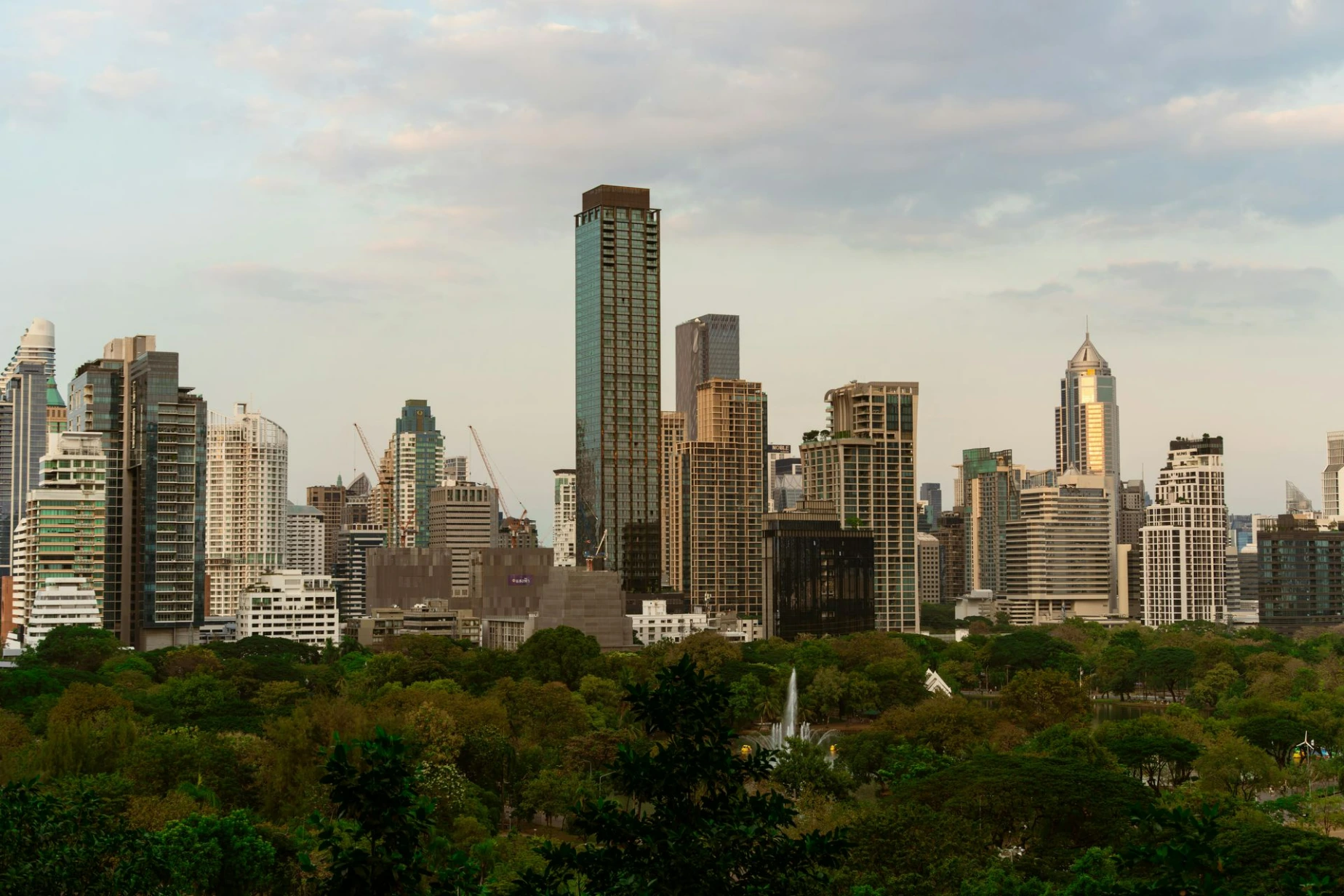
Bangkok is where most international visitors enter Thailand. Suvarnabhumi Airport (BKK) handles the majority of long-haul international arrivals. Don Mueang Airport (DMK), located approximately 25 kilometers north of the city center, primarily serves low-cost domestic carriers including AirAsia, Nok Air, and Thai Lion Air.
This distinction matters for onward planning. If you need to travel between the two Bangkok airports to catch a domestic connection, allow a minimum of four to five hours between flights. A traveler landing at Suvarnabhumi and connecting to a budget carrier at Don Mueang for Phuket or Chiang Mai needs to account for that transfer explicitly.
For the city itself, two to three nights is the functional range for most itineraries. Bangkok offers genuine depth for those who choose to stay longer: the temples along the Chao Phraya riverfront, the Grand Palace precinct, the Chatuchak Weekend Market, and a food culture that requires no elaboration. The city runs dense and warm year-round. It rewards structure rather than improvisation.
Ayutthaya, the former royal capital, sits approximately 80 kilometers north of Bangkok and functions well as a full-day extension. It requires no additional domestic flight and adds strong historical context to a Central Thailand stay.
Trade-off: Bangkok's heat and traffic density make it unsuitable for extended stays for most luxury travelers. It is a base and an entry point, not a destination to linger in beyond its functional purpose.
Where this fits in your trip: International arrival (BKK) → Bangkok (2 to 3 nights) → domestic flight to next region
Northern Thailand: Culture Without the Coast
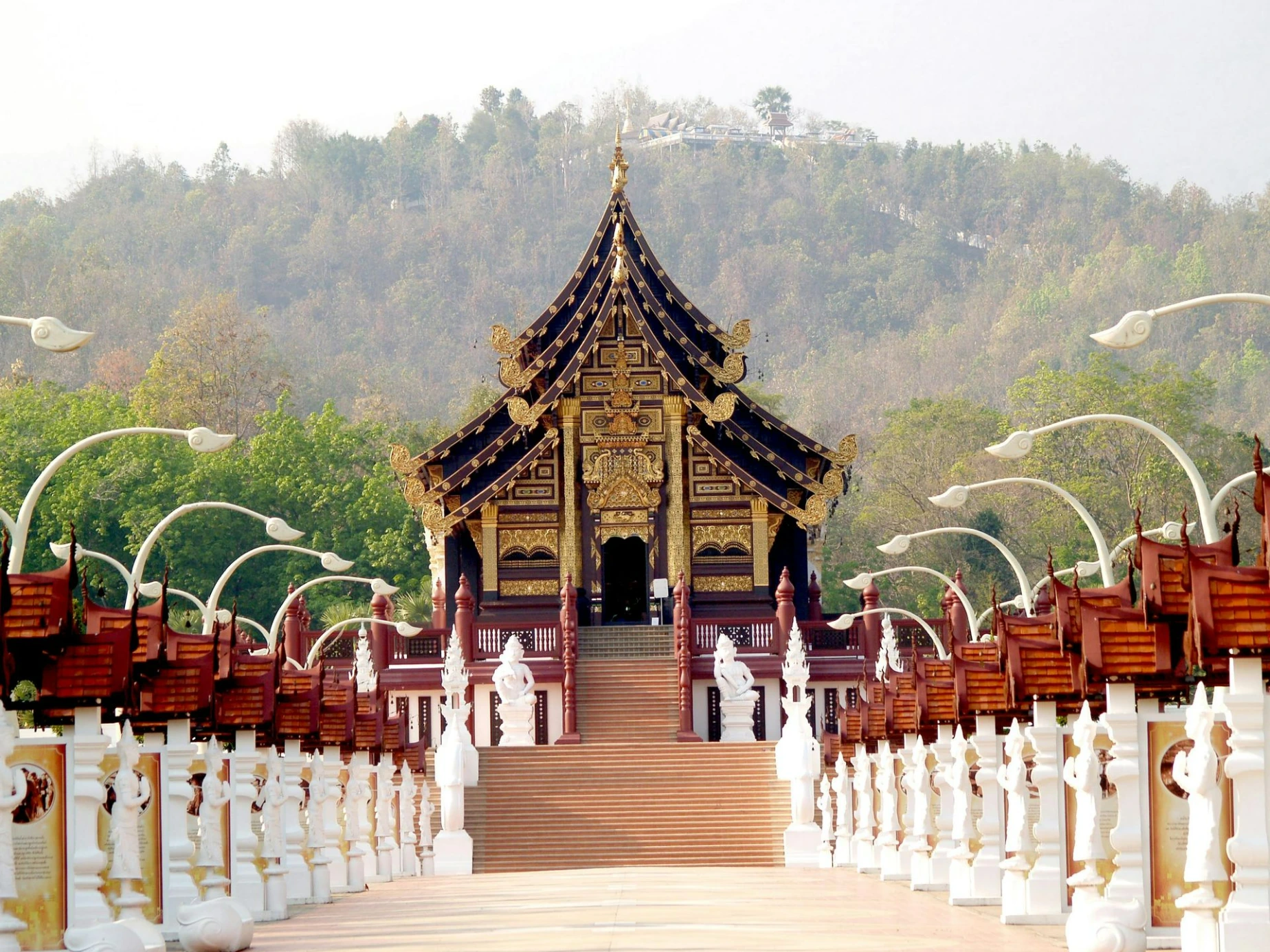
Northern Thailand is organized around Chiang Mai. The Old City, Doi Suthep temple on the ridge above the city, the Nimmanahaeminda Road neighborhood, and the network of cooking schools and night markets give Chiang Mai a density of cultural content that few cities in Southeast Asia match at its price point.
Chiang Rai, approximately three hours north by road or a short domestic hop, adds the White Temple (Wat Rong Khun) and Blue Temple (Wat Rong Suea Ten), plus proximity to the Golden Triangle where Thailand, Laos, and Myanmar converge. It suits travelers with an additional two to three days beyond their Chiang Mai base.
The average flight time from Bangkok to Chiang Mai is approximately 1 hour and 20 minutes. Multiple daily departures operate from both Suvarnabhumi and Don Mueang, with full-service carriers from Suvarnabhumi and low-cost carriers from Don Mueang.
The burning season constraint is not optional knowledge. Burning season runs roughly from February through April, with the worst air quality typically concentrated in late February and March. During this period, AQI levels in Chiang Mai regularly reach the 150 to 200 range, classified as unhealthy. Conditions usually begin to improve in late April as the rainy season approaches. According to the Tourism Authority of Thailand, travelers with respiratory sensitivities should plan Northern Thailand visits strictly within the November to January window for optimal conditions.
For others, the guidance is direct: if your dates fall within the February to April window, visit the south first and move north in late April when conditions have cleared.
Trade-off: No coastal access. Moving from Chiang Mai to a southern beach destination requires a domestic flight and costs at minimum half a day. Direct Chiang Mai to Phuket routes exist but have limited frequency; a Bangkok connection is often the more reliable routing.
Where this fits in your trip: Bangkok (2 nights) → Chiang Mai (3 to 4 nights) → domestic flight south
Southern Thailand, Andaman Coast: Where Most Luxury Itineraries Are Built

The Andaman coast is the region where the majority of international luxury travel in Thailand is concentrated, and for clear reasons. The limestone karst formations of Phang Nga Bay, the private speedboat access to uninhabited islands, the villa market on Phuket's west coast, and the structural variety between developed and secluded locations give this region a range that no other part of Thailand matches.
Phuket (HKT) has direct international connections from multiple European, Middle Eastern, and Asian hubs. This makes it a viable first stop without requiring a Bangkok transit. The west coast beaches, particularly Surin, Bang Tao, and Kamala, offer the best balance of infrastructure and relative calm during peak season. For a full beach-by-beach analysis of which Andaman locations suit which traveler profile, the luxury beaches in Phuket and Krabi guide covers access structures, privacy levels, and seasonal trade-offs in detail.
Krabi sits approximately 180 kilometers southeast of Phuket. Railay Beach, reachable only by longtail boat from Ao Nang, is one of the few genuinely isolated coastal settings in southern Thailand that remains accessible without a multi-day boat journey. Koh Lanta, further south, offers a slower pace with improving villa infrastructure. For the Phuket to Krabi private transfer route, a private speedboat through the outer Phang Nga Bay formations takes approximately two to three hours and is the operationally superior option for luxury travelers over the road-plus-ferry alternative.
Koh Yao Noi deserves specific attention. Positioned in Phang Nga Bay between Phuket and Krabi, it remains the least commercially developed island in the region with direct access to the karst formations. It has no international airport, no large resort chains, and no beach clubs. Access is by speedboat from Bang Rong Pier (Phuket) or Ao Nang (Krabi). This is where privacy is found on the Andaman coast, not on Phuket's west coast in December.
Seasonal reality: The Andaman coast is affected by the southwest monsoon from approximately late May to October, with September and October being the wettest months. Ferry services to smaller islands operate on reduced or suspended schedules during peak monsoon months. The consequence for planning is direct: the Andaman coast has a functional booking window that runs from approximately mid-November to mid-April. Outside this window, the experience degrades across all tiers.
Peak season in December and January brings the full costs of that popularity. Properties at Koh Yao Noi, the better Krabi villas, and any private boat operation with genuine quality will be fully committed six months in advance or more. For the must-visit places in Phuket that require advance reservation, the same lead times apply.
Trade-off: The best of this region requires advance planning that most travelers underestimate. Arriving without confirmed private boat access and a villa booking in peak season produces a significantly degraded version of what the coast can offer.
Where this fits in your trip: Bangkok (BKK) → Phuket (HKT), 1hr 30min → Phang Nga Bay → Krabi or Koh Yao Noi
Mid-Article CTA
If your itinerary includes the Andaman coast, delays in booking villas and private boat routes are the most common failure point for luxury travelers in this region. Review the Phuket to Krabi private transfer options and the luxury beaches in Phuket and Krabi guide before locking your dates. The best access windows and properties in Phang Nga Bay are not available without advance booking.
Southern Thailand, Gulf Coast: The Seasonal Alternative
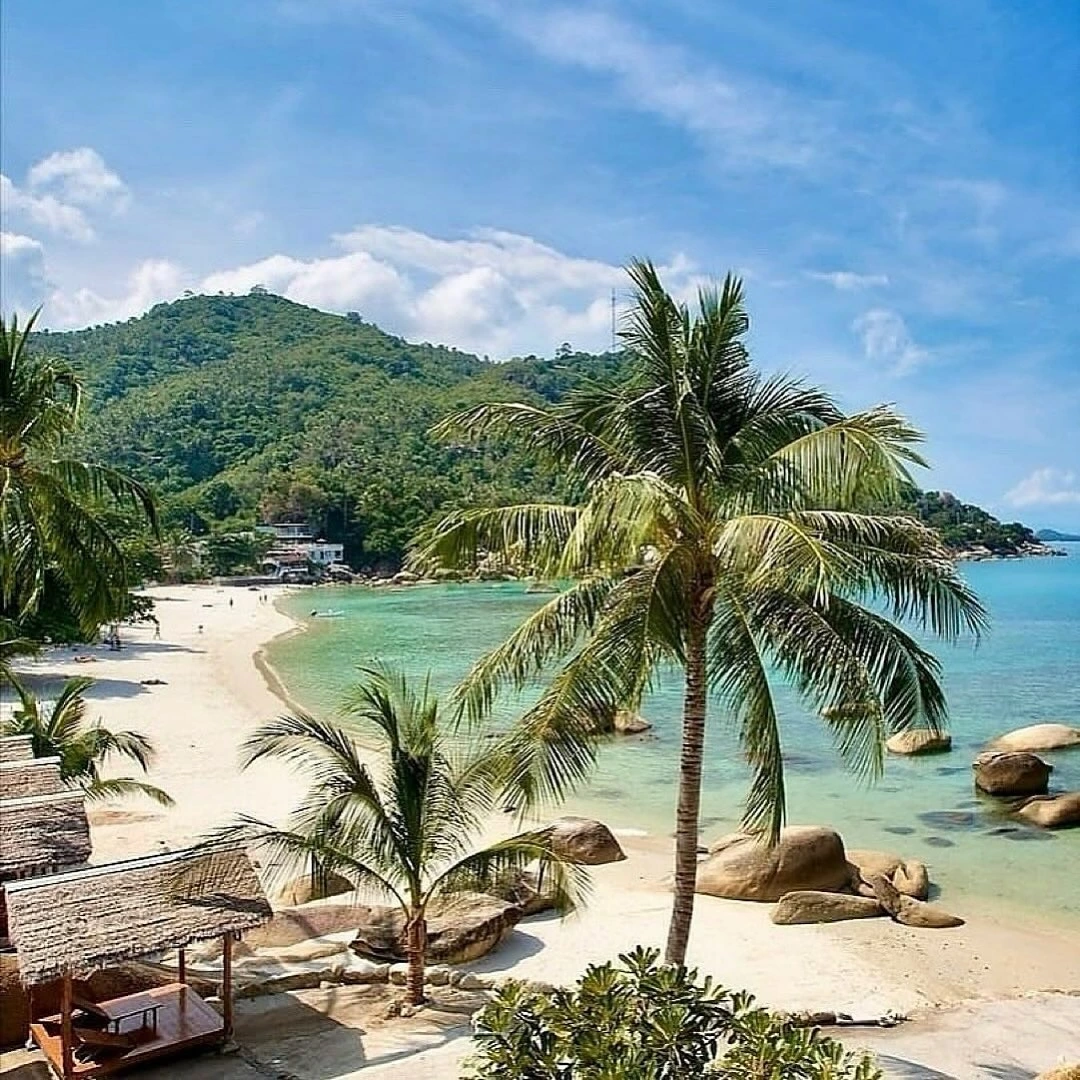
The Gulf coast operates on the inverse monsoon calendar to the Andaman side. While the Andaman coast faces its wettest conditions between May and October, the Gulf coast sits in its clearest window during this period, making it the correct regional choice for travelers whose dates fall outside the Andaman's dry season.
Koh Samui is the most developed Gulf island, with an international airport (USM), a functioning luxury villa market, and enough resort infrastructure to sustain a week-long stay. July and August bring European summer visitors to the Gulf islands, increasing activity on the more popular beaches, though weather remains reliable with only occasional brief showers.
The access question shapes the Gulf Coast experience more than any other variable. Bangkok Airways operates the only direct flights to Koh Samui, which produces structurally higher fares than comparable routes elsewhere. The alternative is flying into Surat Thani (URT) and taking the ferry from Donsak Pier. This adds two to three hours to the journey but opens the route to competitive fare options and allows onward access to Koh Phangan (approximately 30 minutes by ferry from Koh Samui) and Koh Tao (a further 90 minutes).
Koh Tao functions primarily as a dive destination. Koh Phangan's north coast has developed a quieter, more considered resort presence separate from the Full Moon Party infrastructure concentrated on Hat Rin beach in the south.
Trade-off: The Gulf Coast lacks the dramatic visual landscape of the Andaman. No karst formations, no Phang Nga Bay, no private speedboat routes through limestone corridors. It is a quieter, more contained island experience. For travelers with date flexibility who want Andaman-caliber scenery, shifting travel to hit the November to April window is the stronger choice.
Where this fits in your trip: Bangkok (BKK or DMK) → Surat Thani or direct to Koh Samui → ferry to outer islands
Northeastern Thailand: Context, Not Core

Isaan is included here for completeness, not as a primary recommendation for most international travelers. The region is large, culturally distinct, and largely oriented toward domestic Thai tourism.
The single exception worth noting for luxury travelers is Khao Yai National Park, a UNESCO World Heritage site accessible by road from Bangkok in approximately three to four hours. It combines accessible wildlife watching with wine country infrastructure and serves well as a one or two-night extension for travelers with time before or after a Bangkok stay.
For repeat visitors or travelers with a specific cultural or natural history interest, the luxury Thailand travel experiences guide covers the less-visited destinations across all regions, including options beyond the standard Andaman and Gulf itineraries. For first-time itineraries, Isaan competes for days that are typically better allocated to the established regional destinations.
How to Match Thailand Travel Regions to Your Trip
First Visit, 7 to 9 Days
Central Thailand (Bangkok, 2 to 3 nights) plus Andaman Coast (Phuket, Krabi, or Koh Yao Noi, 4 to 5 nights). One domestic flight of approximately 1 hour and 30 minutes connects them. This is the highest-return itinerary structure for first-time visitors traveling between November and April.
First Visit, 10 to 14 Days
Central plus Northern plus Andaman. Bangkok (2 nights), Chiang Mai (3 to 4 nights), then fly south to Phuket via Bangkok connection. This three-region structure works well when Chiang Mai is visited between November and January.
Culture Priority, 7 to 10 Days
Central plus Northern only. Bangkok (2 to 3 nights) to Chiang Mai (4 to 5 nights), with an optional Chiang Rai overnight. No coastal segment required.
Traveling from May to September
Central plus Gulf Coast. Bangkok (2 nights) to Koh Samui or Koh Phangan (5 or more nights). The Andaman coast should be treated as unavailable for beach purposes during this window.
Return Visit or 14-plus Days
Add Koh Yao Noi, Khao Sok National Park (accessible from Surat Thani between the two coasts), or Koh Lanta as a third or fourth Andaman destination within an existing regional structure. For those adding Phi Phi or the outer Andaman islands to a multi-region itinerary, the Bangkok to Phi Phi Islands private transfer guide sets out the full routing options and timing requirements.
Movement Between Regions: The Operational Reality
Every region change costs time. The flights are short; the airport transfers and check-in sequences add the hours.
- Bangkok to Phuket: approximately 1 hour 30 minutes by air
- Bangkok to Krabi: approximately 1 hour 25 minutes by air
- Bangkok to Chiang Mai: approximately 1 hour 20 minutes by air
- Bangkok to Koh Samui: approximately 1 hour 30 minutes by air (Bangkok Airways only, fares typically at a premium)
- Chiang Mai to Phuket: limited direct service; a Bangkok connection is the more reliable routing, adding half a day
- Phuket to Krabi: 1.5 to 3 hours by private speedboat, or 3 to 4 hours by road and ferry
If connecting between Suvarnabhumi (BKK) and Don Mueang (DMK), allow a minimum of four to five hours between flights. This single constraint eliminates same-day international arrival to a budget domestic connection as a viable option.
The practical principle: three regions across 10 to 14 days is manageable at a comfortable pace. Four regions in the same window are not. Fewer regions consistently produce a more coherent and less fatigued trip.
Who This Approach Is Not For
Region-based planning is a framework for itinerary construction, not a universal requirement. It is less relevant in four specific situations.
Single-destination resort stays. A traveler booking two weeks at a specific Phuket property has already made their regional choice. The framework adds nothing at that point.
Highly flexible open-ended travel. If arrival and departure dates are not fixed, the region-by-season logic still applies, but the itinerary construction is done in real time rather than in advance.
Travelers with one non-negotiable destination. If Railay Beach, a specific dive site on Koh Tao, or a Khao Sok floating raft house is the anchor, build outward from that point rather than backward from regional theory.
Return visitors with established familiarity. Those who know the country well are better served by destination-specific guides than regional frameworks.
The framework earns its value for first-time visitors building multi-stop itineraries and for travelers comparing multiple destination options before committing to any of them.
Sample Itinerary Structures by Region Combination
Structure A: Central + Andaman (7 to 9 Days)
| Days | Region | Location | Notes |
|---|---|---|---|
| Days 1 to 2 | Central Thailand | Bangkok | Entry, temples, Chao Phraya, food |
| Transfer | Domestic flight BKK to HKT | Approximately 1hr 30min | |
| Days 3 to 5 | Andaman Coast | Phuket west coast | Surin or Bang Tao, Phang Nga Bay charter |
| Days 6 to 7 | Andaman Coast | Koh Yao Noi or Krabi | Private speedboat transfer, quieter pace |
Advance booking note: Phuket to Koh Yao Noi speedboat and villa accommodation require booking 2 to 4 months ahead between December and February.
Structure B: Central + Northern + Andaman (10 to 14 Days)
| Days | Region | Location | Notes |
|---|---|---|---|
| Days 1 to 2 | Central Thailand | Bangkok | Entry point, 2 nights |
| Days 3 to 5 | Northern Thailand | Chiang Mai | Old City, Doi Suthep, cooking class |
| Day 6 | Transfer | Chiang Mai to Phuket | Via the Bangkok connection, a half-day travel |
| Days 7 to 10 | Andaman Coast | Phuket, Phang Nga Bay | Charter day, villa stay, island access |
| Days 11 to 12 | Andaman Coast | Krabi or Koh Yao Noi | Optional quieter finale |
Advance booking note: Chiang Mai to Phuket via Bangkok requires coordinated booking. Direct routes have limited daily frequency.
For travelers adding Phi Phi to the Andaman segment, the luxury villas Phi Phi Islands guide covers where to stay, current costs, and what to book before departure.
End-of-Article CTA
For full routing breakdowns, booking sequences, and transfer comparisons across the Andaman coast, use the linked destination and transfer guides before confirming flights or accommodation. The Phuket to Krabi private transfer guide covers speedboat, helicopter, and road options in full. The luxury beaches in Phuket and Krabi guide covers which beaches to prioritize at different points in the season and for different traveler profiles.
FAQ: Thailand Travel Regions
What are the main Thailand travel regions for itinerary planning?
The main Thailand travel regions for itinerary planning are:
- Central Thailand (Bangkok and surroundings)
- Northern Thailand (Chiang Mai and Chiang Rai)
- Southern Thailand, Andaman Coast (Phuket, Krabi, and Phang Nga)
- Southern Thailand, Gulf Coast (Koh Samui, Koh Phangan, and Koh Tao)
- Northeastern Thailand (Isaan)
Most international visitors build their itinerary around two or three of these regions, not all five.
Which Thailand travel regions are best for a first visit?
The best Thailand travel regions for a first visit are Central Thailand and the Andaman Coast, traveling between November and April. Bangkok provides the urban and cultural entry point. The Andaman coast provides the scenery, island access, and luxury villa infrastructure that define the experience for most first-time visitors.
What is the difference between the Andaman coast and the Gulf coast?
The key difference is the monsoon calendar. The Andaman coast is dry and at its best between November and April, and is affected by the southwest monsoon from approximately June to October. The Gulf Coast operates on the opposite pattern, with its clearest conditions from January to September and its wettest period from October to December. Scenically, the Andaman coast is more dramatic due to its limestone karst formations. The Gulf Coast is calmer, more contained, and better suited to summer travel.
How many Thailand regions can you realistically cover in 10 days?
Three regions are the practical maximum for a 10-day itinerary at a comfortable pace. The most coherent structure is Central Thailand (Bangkok, 2 nights), Northern Thailand (Chiang Mai, 3 nights), and the southern coast (4 to 5 nights). Each region change requires at a minimum half a day of travel. Four regions in 10 days produce a trip experienced primarily in transit.
Is it worth combining Northern and Southern Thailand travel regions in one trip?
Yes, if the trip length is 10 days or more and Chiang Mai is visited between November and January, outside the burning season window. The combination provides a genuinely varied experience: mountain culture in the north, coastal scenery in the south. The transfer via Bangkok adds half a day but is operationally straightforward with advance booking.
What are the best Thailand travel regions for luxury travelers?
The best Thailand travel regions for luxury travelers are:
- Andaman Coast: highest concentration of quality villa properties, private boat access, and island privacy between November and April
- Northern Thailand: boutique resort options and high-end dining in Chiang Mai, best between November and January
- Central Thailand: consistent luxury-tier hotel infrastructure in Bangkok, accessible year-round
The Andaman coast remains the defining luxury region for most international travelers visiting Thailand for the first time.
Conclusion
Thailand becomes significantly easier to plan when the regions are understood before the destinations are chosen. Each region has a distinct role: Bangkok anchors the entry and cultural context, the north provides mountain culture and a slower pace, the Andaman coast delivers scenery and island access within its dry season, and the Gulf coast offers the correct alternative when that dry season is unavailable.
Most well-planned trips combine two or three Thailand travel regions, chosen around travel dates and priorities rather than aspiration or habit. The traveler who selects regions first and books accordingly consistently builds a more coherent experience than the one who names destinations and works backward.
For most luxury travelers, the Andaman coast at the right time of year remains the defining experience this country offers. Getting the regional structure right is simply how you arrive at it properly.
Thailand was never hidden. Only the way you arrive decides what it reveals.